

For most people, “dietary fiber” is mainly associated with proper digestive function. In reality, however, fiber plays a much broader role.
Dietary fiber contributes to satiety, helps balance blood sugar and cholesterol levels, supports heart health and affects the population of beneficial bacteria in the gut. In fact, it is one of the most important components of the daily diet.
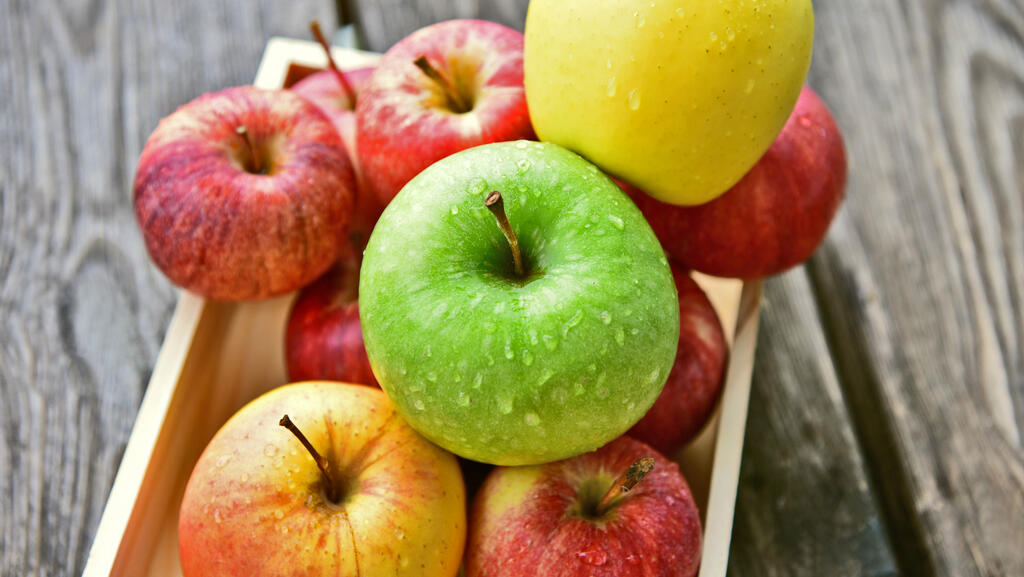
So what is it, exactly?
Dietary fibers are components found in plant-based foods that are not digested in the digestive system. Although they are not absorbed by the body like other nutrients, they influence a range of important bodily processes and contribute to overall health.
Fiber is generally divided into two main types: soluble fiber and insoluble fiber. Soluble fiber dissolves in water and forms a gel-like substance that helps slow digestion and the absorption of food. It contributes to balancing blood sugar and cholesterol levels, serves as a substrate for some gut bacteria and increases the feeling of fullness. It can be found in apples, pears, oats, legumes and psyllium.
Insoluble fiber works differently. It absorbs fluids, increases stool volume and encourages bowel movement. Common sources include the peels of fruits and vegetables, whole grains and nuts. The two types of fiber complement each other and are an important part of a balanced diet.
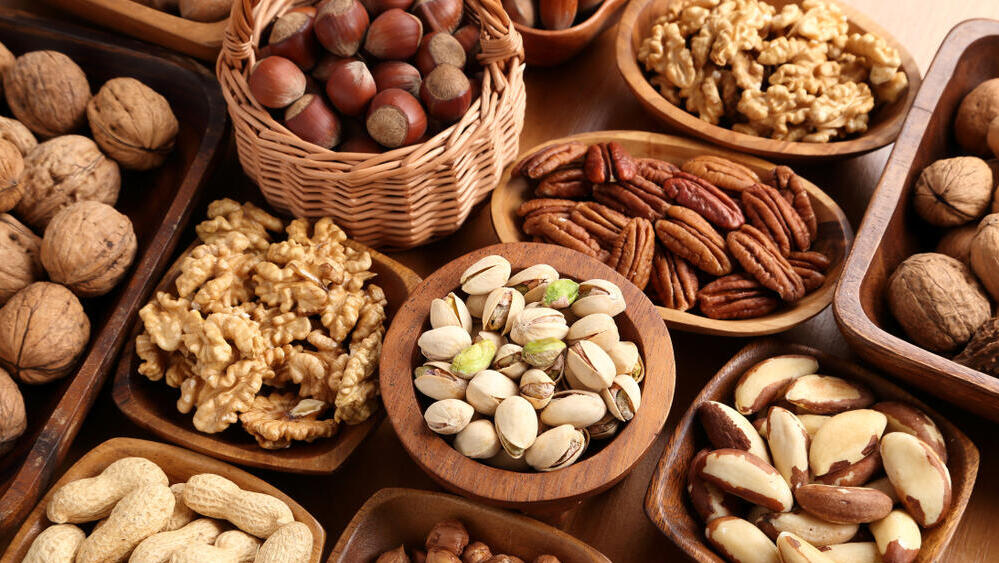
Encourage bowel movement: nuts
(Photo: Shutterstock)
Alongside the many benefits of fiber, it is important to remember that increasing fiber intake also requires drinking enough fluids. When fiber is added to the diet without a corresponding increase in fluid intake, it may actually worsen constipation and cause bloating and discomfort. The pace at which fiber intake is increased also matters, since a sharp rise may cause gas, bloating and digestive discomfort.
When trying to increase fiber intake, it is preferable to get it from food itself. Fruits, vegetables, legumes, mushrooms and whole grains provide not only dietary fiber but also vitamins, minerals and antioxidants. That is also why, in many cases, it is better to choose a whole fruit rather than fruit juice, in which much of the fiber is lost during squeezing.
Alongside familiar sources of fiber, superfoods such as mankai, moringa, maca, fenugreek, chia seeds and aronia berries can also be incorporated into the diet. Their advantage stems not only from their fiber content but also from the full range of nutrients they contain.
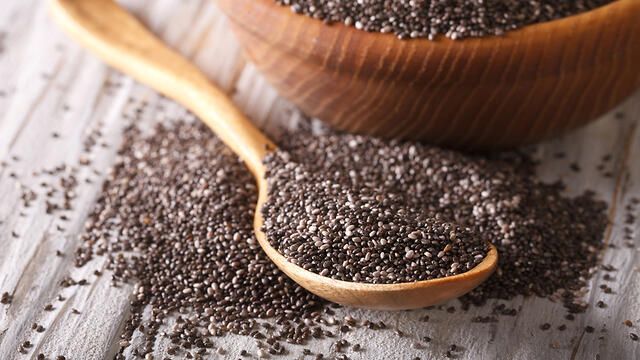
Add superfoods to your diet: chia
(Photo: Shutterstock)
How much do we need?
Despite the great importance of fiber, not everyone needs the same amount, and increasing fiber intake is not recommended in every medical situation. In certain medical conditions, including some inflammatory bowel diseases, a low-fiber diet may actually be suitable during certain periods. It is therefore important to adapt the type and amount of fiber consumed to each person’s health condition.
The common recommendation for most adults is to consume about 25 to 30 grams of fiber a day as part of a varied and balanced diet. However, more is not necessarily better, and in some cases excessive intake may affect the absorption of certain nutrients.
Children also need fiber as part of a healthy diet, but their needs differ from those of adults. Too much fiber may cause early satiety, bloating and abdominal pain, so it is important to maintain balance and a varied diet that supports growth and development.

They need fiber too
(Photo: Shutterstock)
Ultimately, the goal is not to consume as much fiber as possible but to consume the right amount. Dietary fiber is an integral part of a balanced diet and plays many roles in the body — from supporting the digestive system to affecting satiety, balancing blood sugar and cholesterol levels, and nourishing the population of bacteria in the gut. Still, as in every area of nutrition, there is no one-size-fits-all solution. It is important to include a variety of fiber sources in the diet, increase the amount gradually, drink enough water and adjust intake to personal needs and health status. When fiber is incorporated correctly as part of a varied and balanced diet, its many health benefits can be enjoyed over time.
- The writer is a naturopath and head of the consulting department at Bara Herbs.