

"I didn't share it right away. To my shame, I was afraid people would pity me." With these words, former Knesset member Emilie Moatti described the fear she experienced after being diagnosed with breast cancer: fear of pity, of other people's reactions and of being seen first and foremost as a woman with an illness. By deciding to speak publicly about her diagnosis, she brought attention to an aspect of living with breast cancer that does not always receive the consideration it deserves: deciding whom to tell and coping with the disease without feeling alone.
No woman receives a breast cancer diagnosis with indifference. Some immediately share the news with family and friends, while others need time or prefer to keep the information to themselves. Sometimes they want to protect their loved ones from worry, sometimes they fear being treated differently, and sometimes they are still trying to process the news themselves.
Gallery
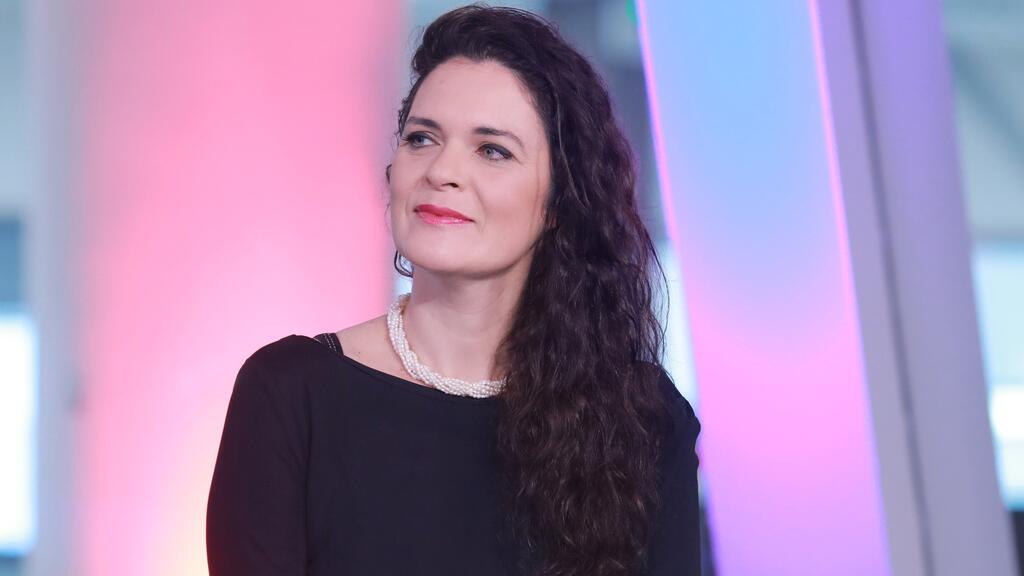
Emilie Moatti said she had initially hesitated to disclose her breast cancer diagnosis because she feared people would pity her
(Photo: Dana Kopel)
The desire for privacy is natural and understandable. Denial, too, can be part of the coping process. To some extent, it offers protection from emotional overwhelm and allows a person to adjust gradually to a new reality. I do not believe every woman needs to tell everyone around her. But it is important to distinguish between choosing whom to tell and being left alone with the fears, questions and difficulties that accompany the disease.
Protecting your privacy while getting support
Keeping a diagnosis secret becomes burdensome when it prevents a woman from receiving the support she needs. It is possible to be surrounded by family and friends and still feel lonely if you cannot share what you are going through.
Loneliness and social isolation are not the same thing. Loneliness is a subjective experience, while social isolation refers to having limited contact with family, friends and the wider community. In either case, the ability to rely on others during illness may be compromised. Without support, it can be harder to manage daily life, attend medical appointments and maintain a routine. Studies have also found associations between social and emotional circumstances, including living alone and persistent feelings of sadness, and difficulties adhering to prescribed medication.
Research involving women with breast cancer points to a broader connection between social isolation and health. Having a limited social network has been associated with higher rates of disease recurrence and mortality. One study involving more than 9,000 women found similar associations in three of its four cohorts. Across the pooled study population, women with limited social ties had an approximately 43% higher adjusted risk of recurrence than those with stronger social networks.
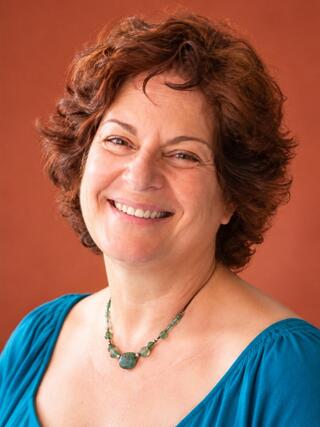 Dr. Ora Rosengarten
These women also tended to be less physically active and were less likely to receive certain medical treatments. The body's response to prolonged stress may also play a role, although researchers still do not fully understand how such mechanisms might influence the risk of recurrence.
I want to emphasize an important distinction: These studies identify an association. They do not prove that social isolation causes breast cancer to return. And they certainly do not mean that a woman who chooses to keep her diagnosis private is putting her health at risk.
There are ways to cope with loneliness and the challenges of illness without disclosing a diagnosis to everyone. Meaningful relationships with family, friends and the community can be maintained. At precisely the time when the urge to withdraw and avoid social activities may be strongest, it is worth trying to preserve existing connections, arrange meetings and participate in activities that provide a sense of belonging.
Asking for practical assistance, such as having someone accompany you to an examination or help with everyday tasks, can also turn personal relationships into tangible support. Research examining social networks among women with breast cancer reinforces the importance of these connections. However, it has not been established that such actions, on their own, reduce the risk of the cancer returning.
When support from family and friends is insufficient, professional assistance is another option. Persistent anxiety, social withdrawal or the feeling that there is no one with whom to share the experience are all reasons to seek help. Oncology departments have psychologists and social workers who can provide support. Support groups also allow women to meet others facing similar challenges, learn from their experiences and discuss issues they may not feel comfortable raising with relatives or friends.
Your medical team needs to know, too
Alongside social and emotional support, it is important to maintain open communication with the medical team. A doctor's assessment of how treatment affects quality of life does not always match what the patient is actually experiencing. When a difficulty goes unreported, it may remain unaddressed, even though some side effects can be relieved and, in certain cases, treatment can be adjusted.
That is why I encourage women to tell their medical teams about difficulties even when they seem minor. These conversations can improve quality of life and help patients continue treatments intended to reduce the risk of recurrence.
The need to communicate does not end when treatment is completed. Many women continue to experience fatigue, pain, sleep disturbances and difficulties with physical or emotional functioning for months, sometimes years. Even at this stage, it is important to tell the medical team what you are experiencing rather than assume that every difficulty is an unavoidable part of recovery.
Treatment is over. What comes next?
Alongside medical follow-up and emotional support, one of the most important and extensively studied ways to improve quality of life after breast cancer is appropriately tailored physical activity. Research has found that exercise can ease certain symptoms and improve physical functioning, mood and social well-being. Some studies have also found improvements in concentration, body image and sexual functioning.
Physical activity may also have implications for long-term health. Studies have identified associations between exercise after a breast cancer diagnosis and lower mortality rates, while some have also found links to a reduced risk of recurrence. This does not establish that exercise itself prevents cancer from returning, but its benefits for physical functioning and quality of life are well supported.
Professional recommendations include aerobic exercise alongside strength training, adapted to each woman's medical condition and abilities. Even someone who was not physically active before her diagnosis can begin gradually, with appropriate guidance.
The lingering fear: Will the cancer return?
Even after treatment ends, the fear of recurrence can persist for years. That fear is not entirely unfounded: Certain types of breast cancer can return long after the initial diagnosis.
Studies conducted many years ago examined women with early-stage, hormone receptor-positive breast cancer who remained disease-free after five years of endocrine therapy. Their risk of developing distant metastases over the following 15 years ranged from approximately 10% to 40%, depending on the characteristics of the original tumor.
Support groups allow women to share their experiences and meet others facing similar challenges
(Photo: Shutterstock)
These figures should not be treated as an estimate of every woman's risk today. Treatment options have changed, and individual risk depends on the characteristics of the disease and the treatments received.
Alongside these concerns, medical advances have made it possible to reduce the risk of recurrence. Newer treatments are improving the prospects of many women remaining free of disease, while increasingly taking into account quality of life and their ability to continue working, spending time with family and living full lives. Treatment decisions are based on the type and stage of the tumor, the woman's individual risk, potential side effects and her ability to continue treatment over time.
Yet these advances are not equally accessible to everyone. Some innovative treatments are not included in Israel's publicly funded health care benefits package for certain indications, meaning that not all patients who might benefit from them can receive them through the public system. Closing the gap between what medicine can offer and what patients can actually access is an important part of improving breast cancer care.
Emilie Moatti's words remind us that coping with breast cancer neither begins nor ends in the treatment room. It shapes the decision about whom to tell, the fears that can be difficult to express and the attempt to return to everyday life after illness. Alongside medical treatment, women need social support, open communication with their care teams and rehabilitation suited to their individual needs.
You do not have to tell everyone. But you should not have to go through it alone.
Dr. Ora Rosengarten is a specialist in clinical oncology and palliative medicine at Shaare Zedek Medical Center in Jerusalem. She founded and directs "The Day After," a rehabilitation program for women recovering from breast cancer.