

Dr. Gabriel Levin, 44, married and the father of three, was a senior physician in the gynecologic oncology department at Hadassah Ein Kerem. Four years ago, he left for a fellowship at McGill University in Montreal, where he has remained since. Today, he is considered one of the leading gynecologic oncologists in his field, with 320 scientific papers to his name — and the dilemma of whether to return to Israel is far from simple.
"The State of Israel does not know how to retain its best doctors through coordinated, forward-looking planning," he says.
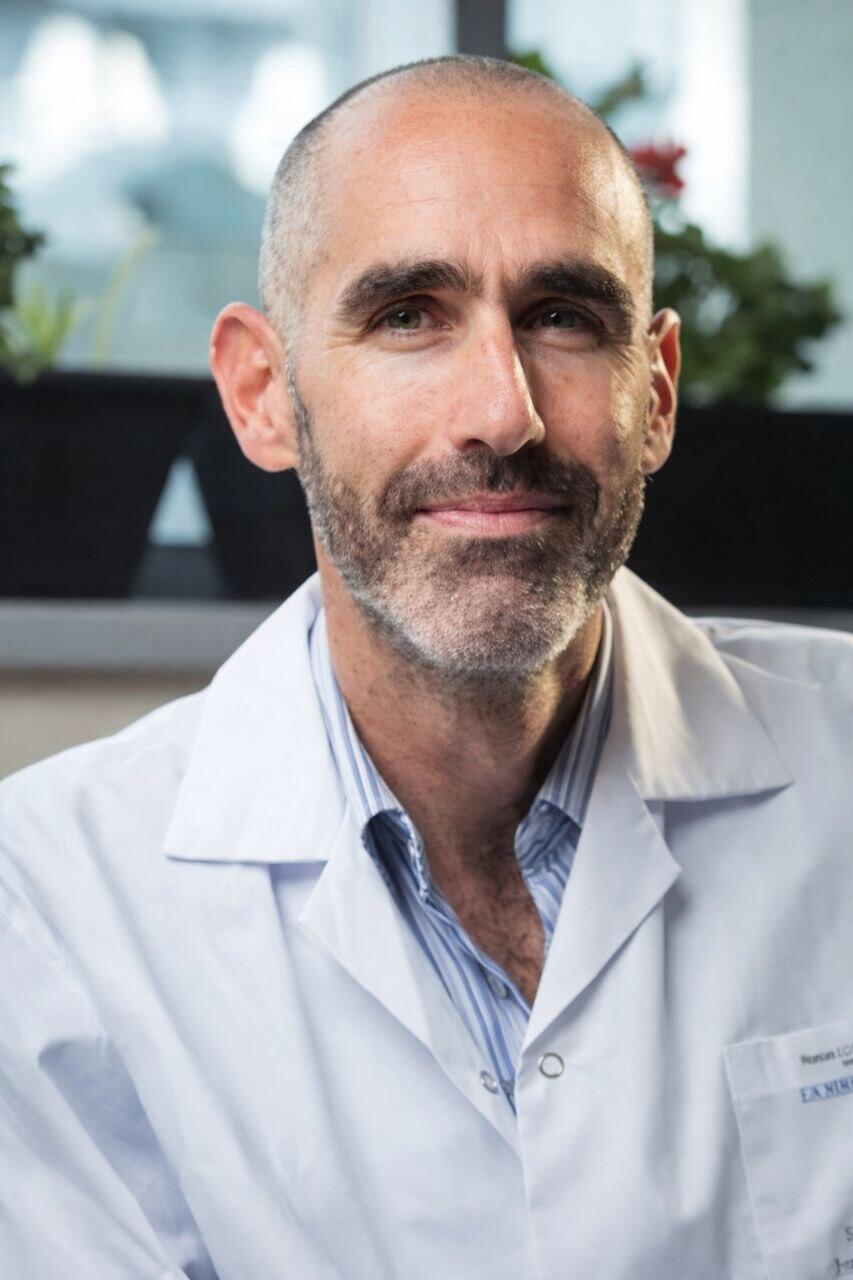
Despite receiving an attractive offer to remain in Canada, and despite the challenges awaiting him, Levin has decided to return to Israel with his family. "It’s only because of the children," he admits. "It’s important to me that they grow up in an Israeli environment, just as their parents did."
Levin is just one of many Israelis who left the country, a significant share of whom have chosen to settle abroad permanently. Last Friday, hundreds of Israeli doctors, researchers, medical students, residents, senior physicians and health professionals took part in a ScienceAbroad conference in Miami. All had left Israel and now live across the United States and Canada. The conference focused on the worsening trend of physician and researcher emigration from Israel.
Despite his clinical and research experience and strong professional standing, Levin is still struggling to find a suitable open position in Israel in his specialty. In the meantime, he has already received attractive research offers in his field from several institutions in the United States.
"Every year, dozens of doctors go abroad for subspecialty training, all of them intending to return to Israel when it ends," he says. "But when the time comes to come back, there is a very serious dilemma. Returning to Israel is extremely challenging. There is professional overcrowding, there are not many attractive positions that fit your subspecialty and there are also too few academic posts."
Dr. Gabriel Levin: 'Unfortunately, there is no future planning in Israel for how to absorb doctors who go abroad for subspecialty training. There are not enough open positions for everyone, and there is no orderly placement program. And that is before we even talk about the unimaginable gaps in pay and working conditions'
Levin points to a troubling gap. "Unfortunately, there is no future planning in Israel for how to absorb doctors who go abroad for subspecialty training. There are not enough open positions for everyone, and there is no orderly placement program. And that is before we even talk about the unimaginable gaps in pay and working conditions."
The numbers speak for themselves. In Israel, specialists earn an average of 20,000 shekels net per month in the public system. In Canada, Levin could earn about $42,000 a month in a comparable position. In the United States, where the system is private, salaries are even higher.
"That is why doctors in Israel have to supplement their income through health funds and private clinics, and their lives are far more intense compared with doctors abroad," he explains. "This harms the level of training and professional development and reduces the time available for academic research."
According to the latest data from Israel’s Central Bureau of Statistics, about 55,000 Israelis with academic degrees — from bachelor’s degrees to doctorates — currently live outside Israel. About 16% of doctorate holders reside abroad, and last year Israel shifted to a negative migration balance among academics.
‘The damage is twofold’
ScienceAbroad, a global network uniting thousands of Israeli scientists and doctors around the world and working to reintegrate them into Israel’s research and health systems, held a special conference in Miami for the first time. The event took place as part of the annual conference of the Israeli-American community organization, initiated by ScienceAbroad in cooperation with the research authority of Sheba Medical Center, the Israel Medical Association and the nonprofit Nefesh B’Nefesh.
Among the speakers was Prof. Joel Mokyr, a Nobel Prize-winning economist from Northwestern University, who delivered a stark message. "The State of Israel is in a very fragile situation, and the loss of talent in medicine and research is an existing and expanding problem," he said. "It is important to remember that the damage of brain drain is twofold: we are not only losing those who leave for abroad, but also the next generation they were supposed to train and teach."
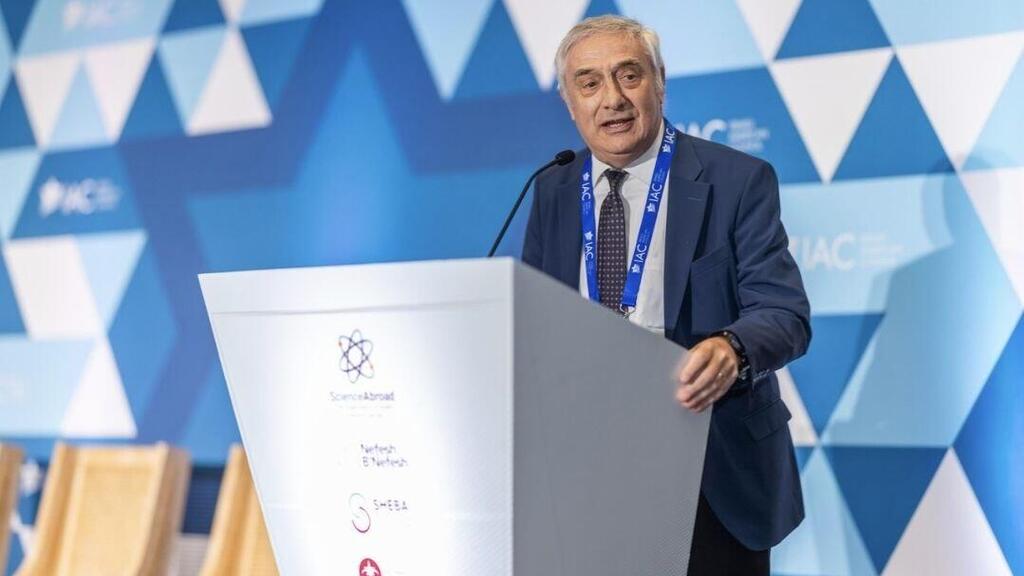
Nobel laureate Prof. Joel Mokyr speaks during a discussion on physician emigration
(Photo: Shay Cohen)
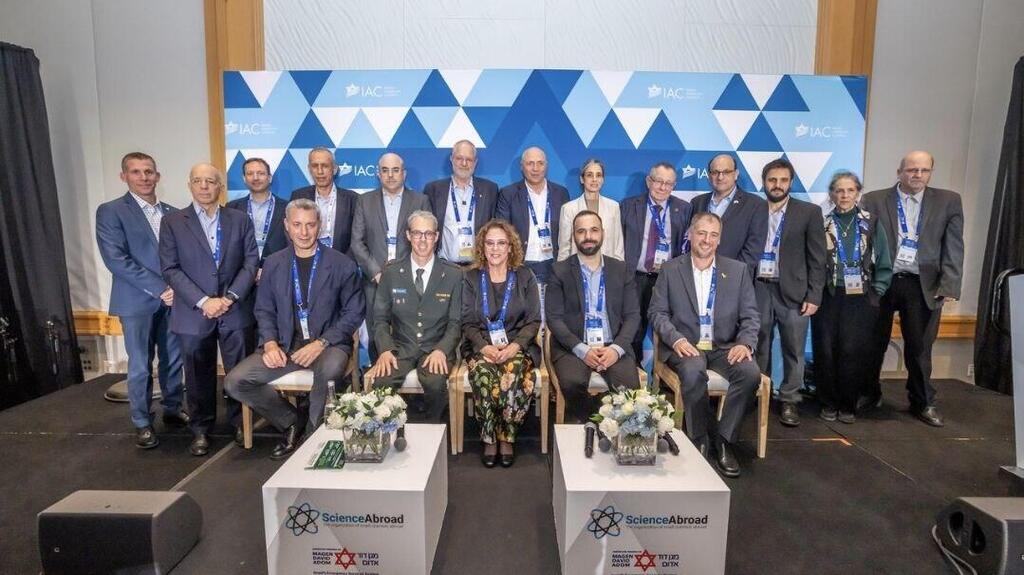
Participants at the ScienceAbroad conference in Miami
(Photo: Shay Cohen)
Other participants included Brig. Gen. Dr. Zivan Aviad-Bar, the IDF’s chief medical officer; Dr. Michal Mekel, director general of Rambam Health Care Campus; Prof. Itai Pessach, deputy director general of Sheba Medical Center and CEO of the Edmond and Lily Safra Children’s Hospital; Prof. Shlomi Kodesh, director general of Soroka Medical Center; Dr. Ze’ev Feldman, chairman of the State Physicians Organization and deputy chairman of the Israel Medical Association; and businesswoman Dr. Miriam Adelson.
Nadav Duani, CEO of ScienceAbroad, summed it up: "This conference brought together Israel’s leaders in medicine and science who live in North America to confront one of the most urgent challenges facing Israel today — how to secure the future of the country’s research, health care system and innovation by reconnecting with its human capital scattered around the world."