

Throughout the year, and especially during the summer, air-conditioned indoor playgrounds, also known as soft-play centers, can feel like a rescue for parents of young children. Children can jump, climb and play in a padded environment, parents can sit for a moment without fearing a serious fall and, most importantly, everyone can escape the heat.
On days when temperatures outside are unbearable and parents want to keep their children away from screens, an indoor playground can seem like an almost perfect solution.
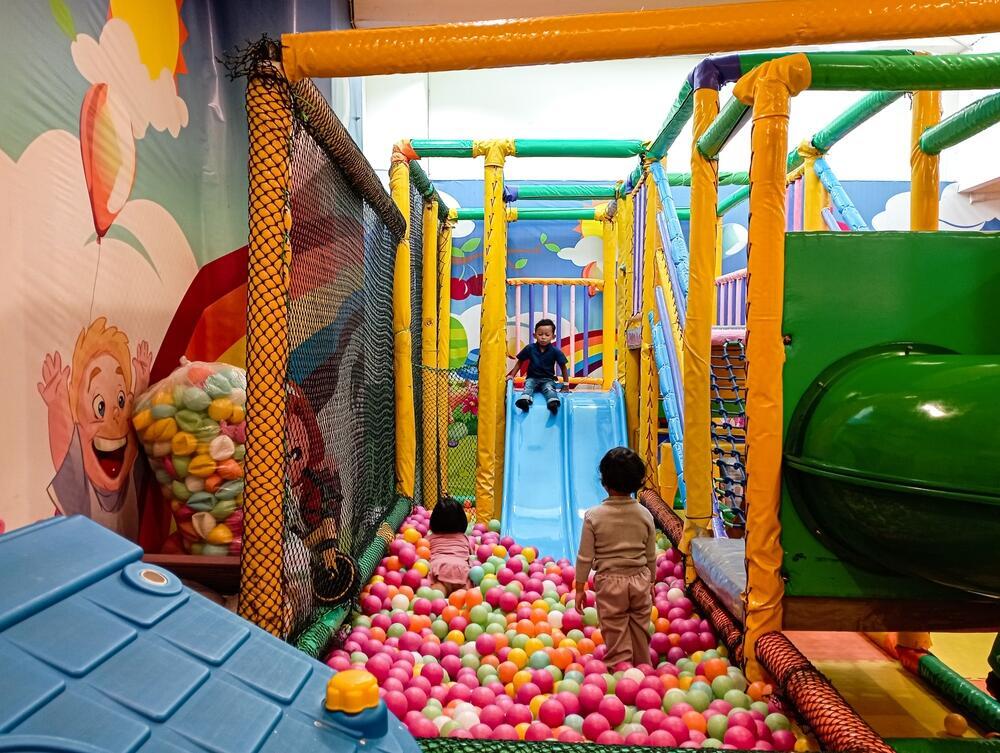
But the venues also have a less flattering reputation: enclosed, noisy and crowded spaces where one child wipes a runny nose in the ball pit, another has a diaper changed beside the play equipment and a toddler picks up a toy from the floor and puts it straight into their mouth.
It is little wonder that many parents wonder whether the seemingly innocent outing is actually a breeding ground for bacteria, viruses and other contaminants.
Sivan Harpaz, 44, a married mother of four from Netanya, is among the parents who prefer to keep their distance. “Many parents, babies and children come to indoor playgrounds, which are not necessarily always healthy,” she said.
“You have babies drooling on the floor, pacifiers falling, children touching everything and then putting their hands in their mouths. Sometimes you enter a ball pit and your feet come out black. In my view, it creates an incubator for bacteria.”
Harpaz said her concern is based on personal experience. “Out of roughly 10 times I went to an indoor playground with my son, he came home sick at least three or four times,” she said. “A day or two later, he already had a fever.
“I believe it was linked to hygiene. Children move from one play structure to another, touch shared surfaces, drink from cups at the venue, wipe their noses, scratch themselves and then continue playing.”
Do you think it is different at daycare or school?
"Yes, because those settings do not have the same number of toys and installations constantly being used by large numbers of children."

Sivan Harpaz
(Photo: Private album)
She now tries not to initiate visits to indoor playgrounds. “If there is no choice, for example if my child wants to go with a friend, then we will go,” she said. “But I am less likely to take them there on my own initiative.
“If we do go, I make sure they wash their hands properly afterward. I would be happy to see greater attention paid to cleaning, or employees whose job is specifically to clean. I have been to indoor playgrounds many times and did not see a cleaner.”
Indoor playgrounds offer children real benefits
Are Harpaz and other worried parents justified? Are indoor playgrounds genuinely dangerous to children’s health, or are they simply another place where children touch things, get dirty and occasionally catch infections?
According to Dr. Dror Weiner, a pediatric specialist at Meuhedet Health Services, the answer is more nuanced than the alarming image might suggest. “First, it is important to say that an indoor playground is a positive recreational space,” he said.
“It develops many of children’s senses and allows physical activity, play, movement and recreation during the hot summer hours. That said, conditions vary from place to place and depend greatly on the level of cleanliness and maintenance.”

Dr. Dror Weiner
(Photo: Courtesy of Meuhedet Healthcare Services)
Indoor playgrounds sometimes bring babies, toddlers and older children into the same space, and each age group has different illnesses and hygiene habits. “There are diseases that are more common at certain ages,” Dr. Weiner said.
“If, for example, a baby’s diaper is changed in an area not intended for that purpose, particularly if the child has diarrhea or is shedding a pathogen in their stool, another child could touch the contaminated surface and then put their hand in their mouth.
“The main problem is therefore not the mere presence of germs, but the combination of crowding, sick children, poor hygiene and a venue that is not cleaned properly.”
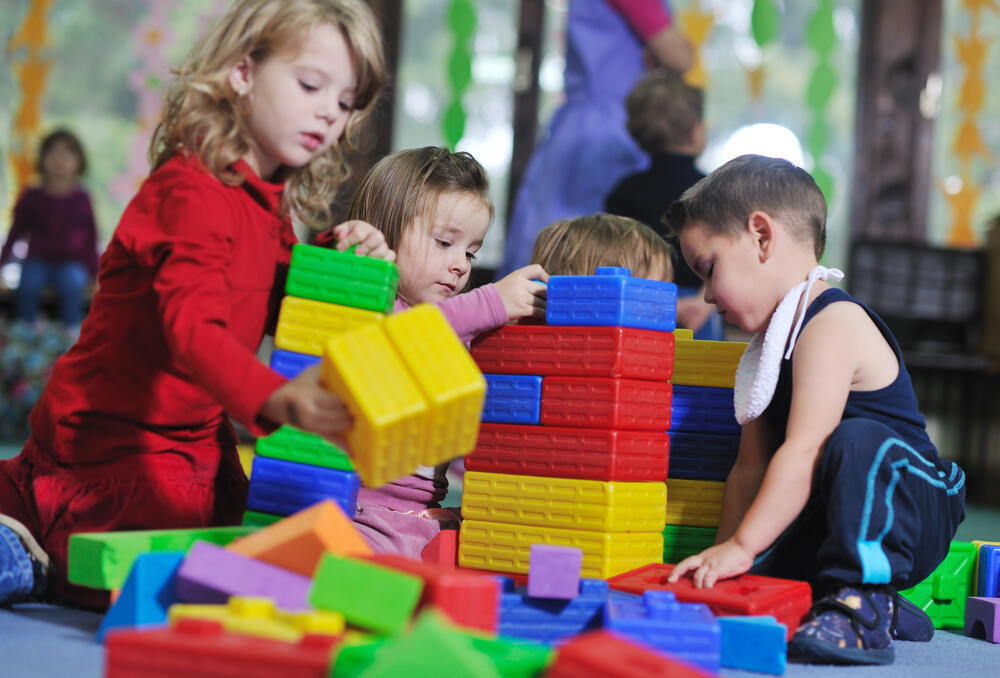
'Develops many of children’s senses
(Photo: Shtterstock)
Still, Dr. Weiner urged parents not to become overly alarmed. “There is no need to frighten people more than we would about any other recreational venue,” he said.
“Even if there are some germs present, we do not see waves of children arriving at emergency rooms after visits to indoor playgrounds. Children go to these places every summer and during the winter as well, and we have never heard an emergency department say all these children came from the same indoor playground. In most cases, it is probably fine.”
Dr. Moran Shefler Gal, a pediatric specialist at Maccabi Healthcare Services, offered a similar assessment. “Germs are everywhere,” she said. “We live with them in symbiosis. “If you sampled surfaces at an indoor playground, you would probably find germs, just as you would in other play areas, sandboxes, playgrounds and public spaces.
“But several things have to happen for a child to actually become ill: contact with a sick child, a heavily contaminated surface, poor ventilation or unusually high crowding.”
Most healthy children, she said, do not become ill after an ordinary visit to an indoor playground. “The stay is usually relatively short, around one or two hours,” she said. “At daycare, by contrast, children remain for many hours, eat there, have their diapers changed, touch their mouths and sometimes stay in spaces without enough ventilation.
“So the risk of infection may actually be higher at daycare, even though parents do not generally question whether to send their children there.”

Dr. Moran Shefler Gal
(Photo: Gilad Shaabani)
Dr. Shefler Gal also stressed the benefits of indoor playgrounds. “I clearly prefer children to spend as much time as possible outdoors, in fresh air, in the shade and with sun protection,” she said. “Outdoor time has physical, social and developmental benefits, and there is also a connection between time spent outdoors and eye health.
“But indoor playgrounds also offer benefits: social interaction, motor activity, movement, less screen time and, ultimately, the children play and enjoy themselves.”
How to reduce the risk
The first rule is simple: Do not bring a sick child. “If a child has a fever, diarrhea, vomiting or an active illness, do not take them to an indoor playground,” Dr. Shefler Gal said. “It is a matter of responsibility toward other children.”
She also recommends choosing a relatively large, well-ventilated venue that appears clean and properly maintained, rather than a small, crowded and poorly ventilated space.
Dr. Weiner advises parents to evaluate the venue as soon as they arrive. “Check whether it appears clean, has a designated diaper-changing area, keeps food out of the play space and has no visible dirt on the equipment,” he said.
“Afterward, make sure the children wash their hands. Since many play barefoot, it is also a good idea to wash their feet, or give them a thorough shower once you get home.”
Both doctors also recommend avoiding food inside the play area. “When a child touches surfaces and then eats a snack, they are essentially putting whatever was on their hands into their mouth,” Dr. Shefler Gal said. “It is better to stop, wash their hands and only then eat outside the play area.”
Dr. Weiner also suggests preparing children in advance by reminding them not to put toys in their mouths, not to drink from shared cups and to wash their hands after playing. “These are the usual precautions,” he said. “There is no need to turn an indoor playground into something frightening. Just use common sense.”
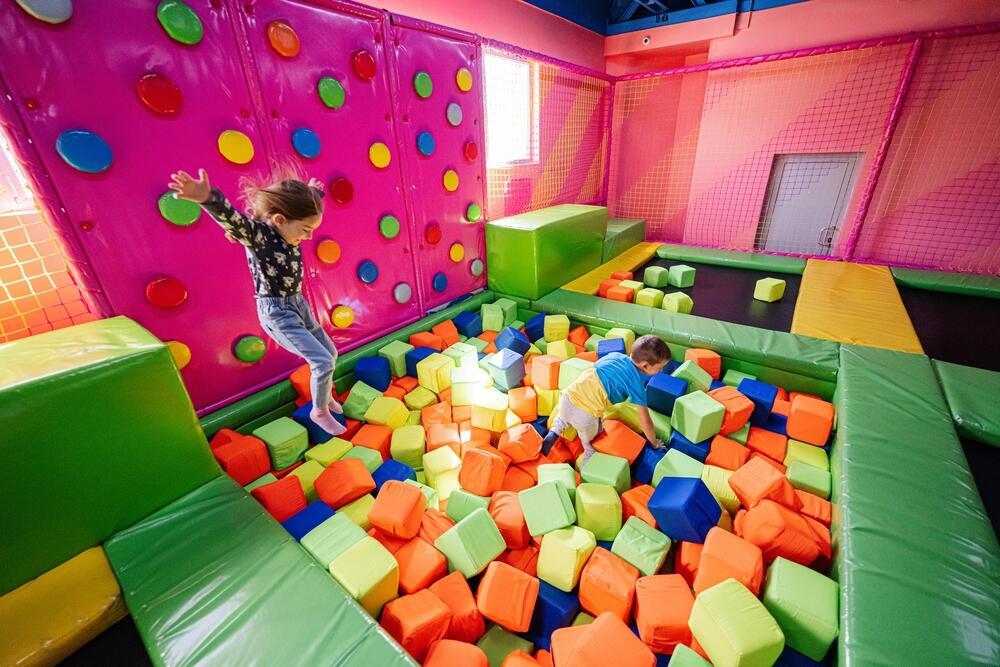
There must also be a sense of responsibility toward other children
(Photo: Shtterstock)
The bottom line is less dramatic than many parents fear. Yes, indoor playgrounds contain germs. Children can catch infections there, just as they can in any crowded indoor space where children play together.
But for most healthy children, a visit does not pose an exceptional risk and certainly does not justify avoiding such venues entirely. “For healthy children, if proper hand hygiene is maintained, the risk of a significant infection is not high,” Dr. Shefler Gal said.
“On the contrary, the developmental and physical benefits of these play facilities outweigh the risk. So families can go to indoor playgrounds. They should simply choose a place that looks clean, keep sick children at home, wash hands and let the children play.”