

Slippery elm, a tree native to North America and known for its soothing properties, is drawing renewed attention in Israel’s herbal supplement market. Used for centuries by Native American communities, the inner bark of the Ulmus rubra—commonly called slippery elm—has been traditionally employed to treat irritation and inflammation of mucous membranes throughout the body.
The tree’s name reflects the texture of its inner bark, which becomes slick and mucilaginous when mixed with water. This unique quality is at the heart of its medicinal properties.
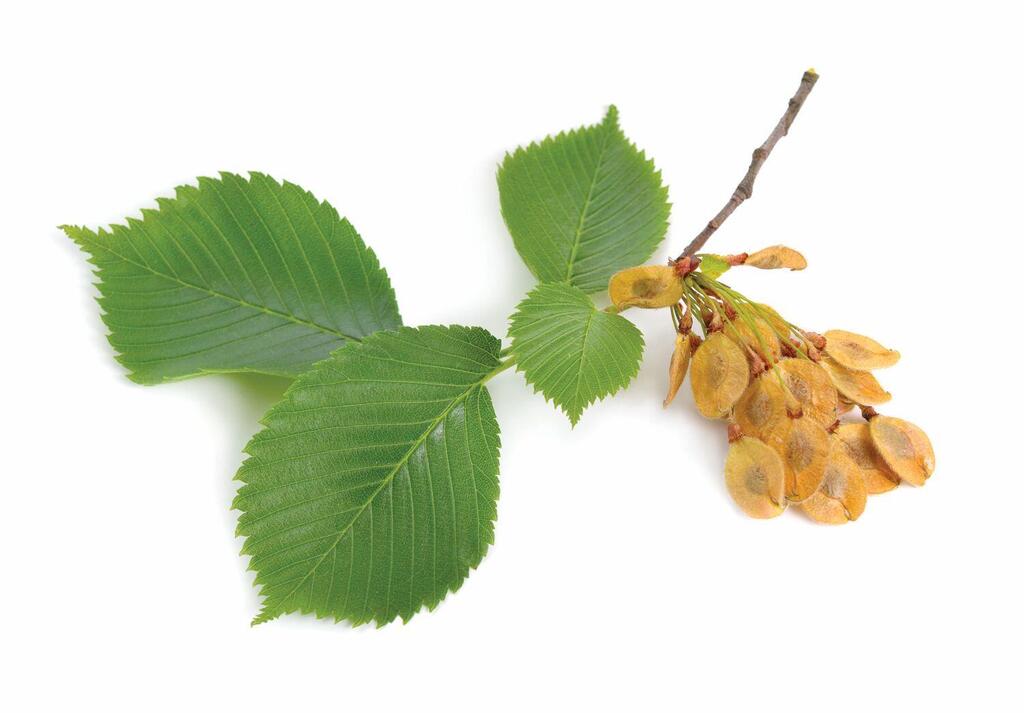
Slippery elm
(Photo: Shutterstock)
Clinically studied benefits
- Modern clinical research supports several of the plant’s traditional uses, particularly in treating gastrointestinal discomfort. Slippery elm may help:
- Relieve irritation and inflammation in the digestive tract, including symptoms of heartburn, acid reflux, gastritis and irritable bowel syndrome
- Form a protective layer over the esophageal and gastric lining, due to its high mucilage content
- Soothe throat pain, dryness, hoarseness and dry cough
- Support gentle bowel regulation by calming and softening the intestinal lining in cases of mild diarrhea or constipation
Traditional uses
In Native American medicine, slippery elm was considered a nourishing and calming remedy. It was used during recovery from illness, for sore throats, internal ulcers, fatigue and digestive sensitivity. In some cases, it was consumed as a gentle food substitute when solid foods were difficult to tolerate.
Forms and usage
In Israel, slippery elm is primarily available in powdered form, as well as in herbal tea blends targeting throat and digestive health. It can be taken in several ways:
- Powder: Mix ½ to 1 teaspoon into warm water, stir slowly and sip
- Capsules: An option for those who prefer to avoid the plant’s natural gelatinous texture
- Herbal infusions: Included in specialized tea blends with other calming herbs
Experts recommend taking slippery elm between meals and at least one to two hours apart from other medications or supplements, as its mucilage may reduce nutrient and drug absorption.
Safety and considerations
- Not recommended during pregnancy or breastfeeding unless under professional supervision
- Should not be used long-term without guidance from a qualified practitioner
- May interfere with absorption of certain medications
- As with any herbal remedy, individuals should consult their healthcare provider before beginning regular use, particularly if they are taking other medications or managing medical conditions.
The author is a licensed clinical dietitian and practitioner of herbal medicine.