


We tend to take our vision for granted: both eyes focus on the same point, the brain merges the images, and we see a clear, three-dimensional world. But for some children, and even some adults, that’s not how it works. One eye looks forward, while the other turns outward, inward or upward, is a condition called strabismus.
“Strabismus is relatively common,” said Dr. Yonina Ron, who leads the pediatric ophthalmology and strabismus unit at Rambam. “It affects about 3% to 4% of children and can sometimes appear later in adulthood.
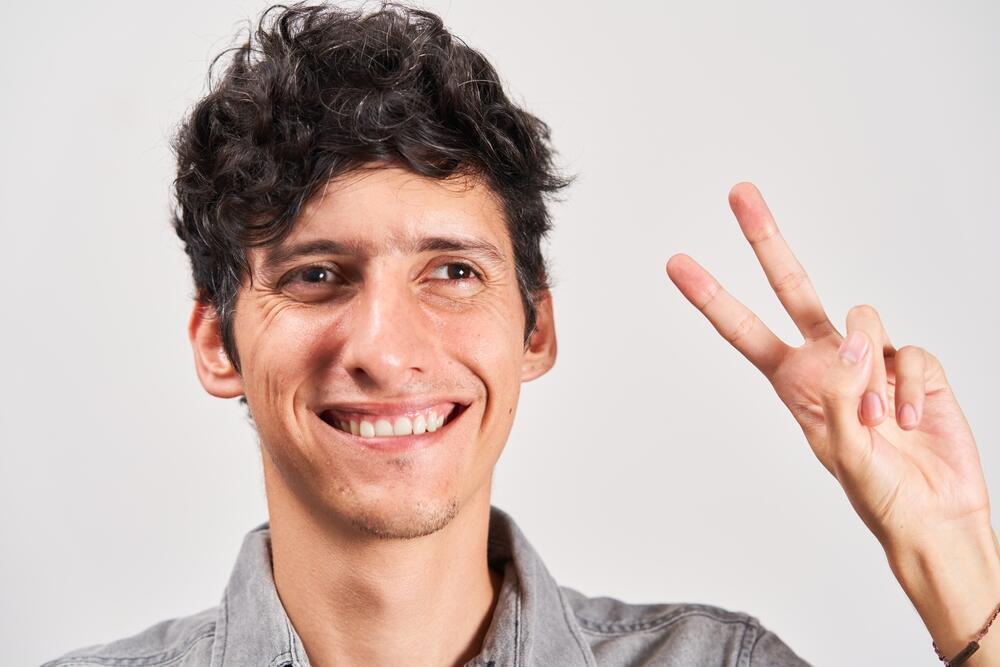
"It’s not just about appearance. Strabismus disrupts the way the brain interprets visual input. When the eyes aren’t aligned, the brain gets confused. It might suppress input from one eye, which can lead to amblyopia, or lazy eye. In other cases, it causes double vision, which can seriously interfere with daily school life, at work and socially."
The eyes are forced to refocus constantly
In early childhood, the brain is still flexible and highly adaptable. “Babies may show intermittent strabismus, and that’s not always a cause for concern,” Dr. Ron explained. “But if one eye consistently turns, that’s a clear sign something’s wrong and should be evaluated."
Strabismus may appear as early as age two to five, sometimes even earlier. In some cases, it’s related to vision correction: “A child suffering an optical condition might get glasses, and once they start wearing them, the strabismus resolves,” she said.
In other cases, a routine eye exam can catch early warning signs before the condition fully develops. “Parents may think everything looks fine, but I can detect subtle signs that indicate strabismus could emerge, and recommend treatment to prevent it."
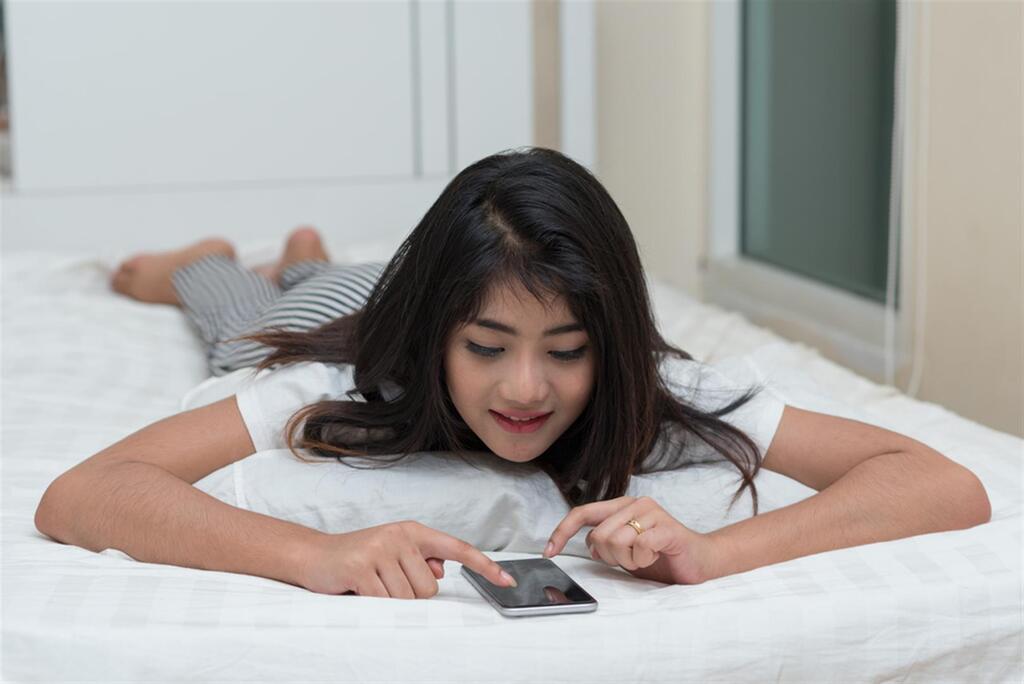
Prolonged screen time can lead to temporary strabismus or condition that requires treatment
(Photo: Shutterstock)
Dr. Ron also addressed a modern-day factor that involves screen time. “Kids ages six to 12 spend hours staring at phones, tablets and computers,” she said. “That forces the eyes to repeatedly focus up close, something we weren’t biologically built to do for long periods.
"This strain can lead to temporary strabismus, but in some cases it becomes persistent and requires focused treatment, or even surgery."
A blow to self-confidence
Strabismus isn’t limited to children. It can suddenly develop in adults, often due to trauma, a tumor, stroke or a neurological disorder.
“This is where the difference becomes significant,” Dr. Ron said. “Children’s brains can compensate more easily. But in adults, the visual system is fully developed and less flexible. The result is ongoing double vision, a condition that won’t resolve without treating the underlying strabismus."
The consequences of strabismus extend far beyond eyesight, impacting identity, life choices and self-image. “I meet patients who struggle with dating, careers and social interactions,” said Dr. Yonina Ron. “Their self-confidence is often deeply affected."
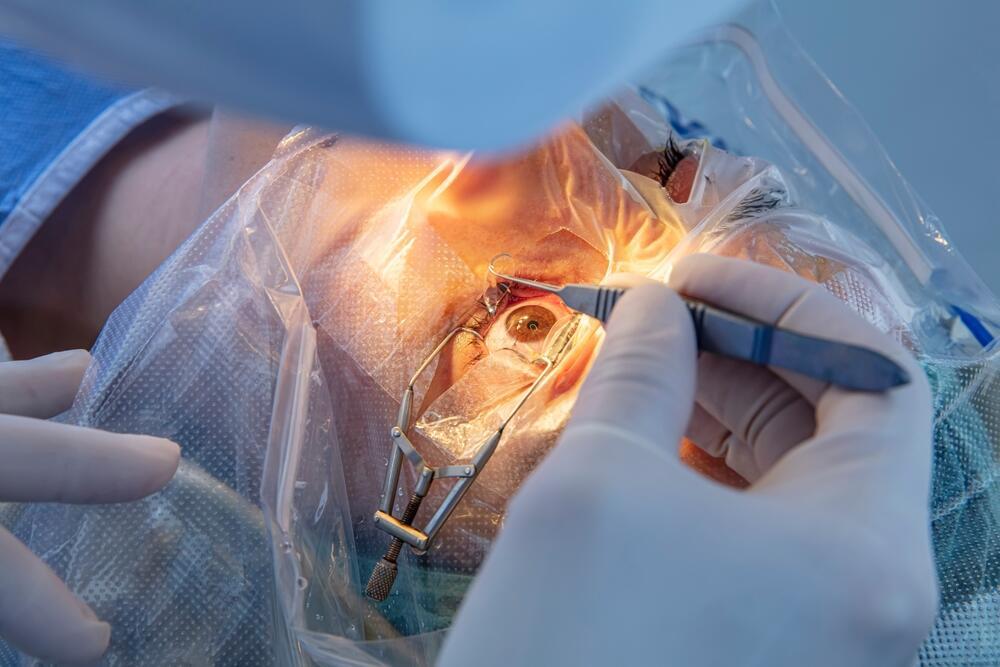
Strabismus surgery
(Photo: Shutterstock)
She recalled one patient who lived in constant fear: “She hid her strabismus from her husband, lived in anxiety that it would return, and was terrified her children might inherit it.”
For this reason, Dr. Ron stressed, strabismus surgery is not considered a purely cosmetic procedure. It is a recognized medical treatment covered by Israel’s national health basket and performed in public hospitals.
How is strabismus diagnosed?
Diagnosis is done by a pediatric ophthalmologist or neuro-ophthalmologist and includes vision tests, eye movement assessments, pupil dilation, and sometimes MRI or CT scans.
“Strabismus can be corrected at any age”
“Treatment depends on the patient’s age, the underlying cause, and the angle of the deviation,” Dr. Ron explains. In cases where the condition stems from an optical condition, glasses can fully correct it.
“The child puts on glasses, and the strabismus disappears,” she said. "In instances of amblyopia, or lazy eye, the stronger eye is often patched to force the weaker one to work harder and strengthen over time.
Other treatments include eye exercises or vision therapy to improve muscle control and prevent worsening. In some cases, Botox, known mostly for cosmetic use, is employed to treat strabismus, a practice that began in ophthalmology. “Injecting botulinum toxin (botox) can weaken an overactive muscle and help realign the eyes,” she explained.
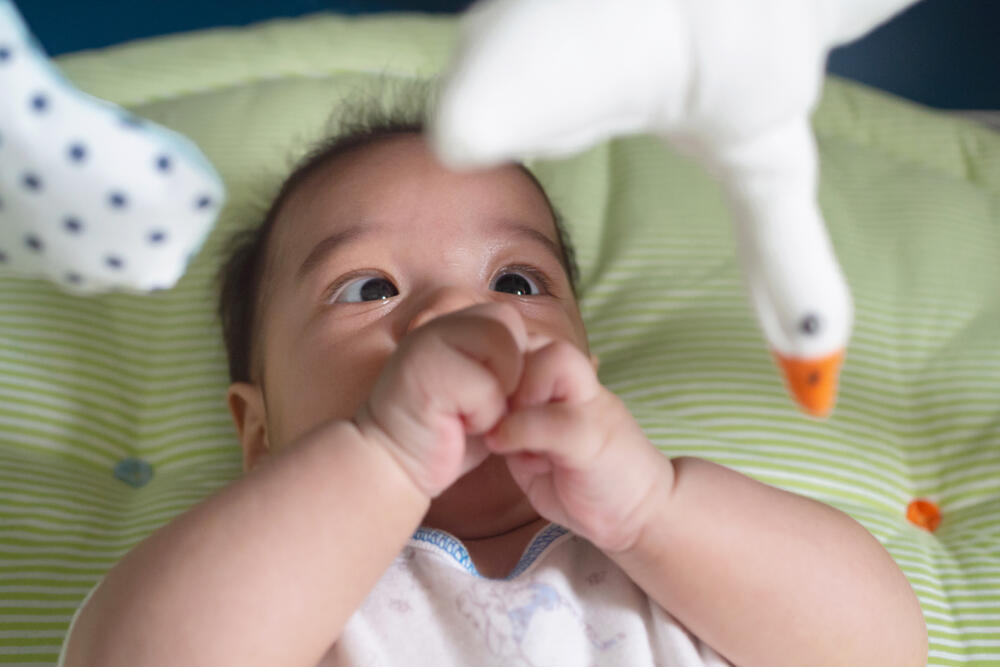
'Babies may show intermittent strabismus, and that’s not always a cause for concern'
(Photo: Shutterstock)
When conservative methods fail, surgery may be necessary. “If nothing else works, we turn to surgery,” said Dr. Ron. “In Israel, procedures are done under general anesthesia for both children and adults. We identify which muscle is too tight or too weak, adjust its strength, and all of it is done outside the eyeball, which greatly reduces the risk to vision."
While the success rate is high, more than one procedure may be needed. “People should know that strabismus can be surgically treated at any age, from young children to the elderly,” she said. “Treatment doesn’t just restore proper vision, it also brings back confidence and improves quality of life."
What if it’s just a “cute crossed-eye"?
“Not everything that looks like strabismus is actually strabismus,” Dr. Ron noted. “In infants, facial structure can create the illusion of inward-turned eyes. In reality, their vision is perfectly normal. I often see concerned parents convinced their baby is cross-eyed, but I have to explain it’s simply anatomy, what we call ‘pseudo-strabismus’ or a ‘false squint.’ It appears like crossed eye but there isn’t a medical problem at all."
When should you see a doctor?
“If you notice one of your child’s eyes 'wanders', even occasionally, or if an adult suddenly experiences double vision, don’t ignore it; see an eye specialist,” Dr. Ron advised. “A family history of strabismus or lazy eye also warrants monitoring.
"The bottom line is that strabismus is not just a cosmetic issue; it’s a medical condition with long-term consequences. With early diagnosis and the right treatment, from glasses to surgery, you can restore not just healthy vision, but also self-confidence and quality of life."