


Many people view erectile dysfunction as an isolated sexual problem, but medical literature increasingly treats it as a possible early marker of cardiovascular disease. A consensus statement from the American Heart Association also stresses that sexual counseling for cardiac patients and their partners should be considered part of medical care, not an optional extra.
Research shows that prolonged stress can directly affect the heart. Data collected in Israel after the October 7 attacks pointed to a sharp rise in cardiac events, including heart attacks and takotsubo syndrome, commonly known as broken heart syndrome, which is often triggered by severe emotional stress and can mimic the symptoms of a heart attack.
According to the American Heart Association, sexual dysfunction may emerge one to three years before the classic symptoms of heart disease. Guidelines from the American Urological Association similarly note that erectile dysfunction may serve as a risk marker for cardiovascular disease and other medical conditions that warrant evaluation.
Dr. Menachem Nahir, a senior physician in the cardiac catheterization unit and head of cardiac rehabilitation at HaEmek Medical Center, said the link between heart health and sexual function is far closer than many people realize.
“In medicine, we sometimes tend to look at the body as if it were divided into separate systems, as though the knee has nothing to do with the eyes or one system has no connection to another,” he said. “But in many cases, the relationship is far more complex. One of the clearest examples is the connection between sexuality and heart health.”
The blood vessel connection
Blood vessel health is shaped by several major risk factors that may also affect sexual function, including high blood pressure, elevated blood sugar or poorly controlled diabetes, smoking, poor sleep, chronic stress, high cholesterol, inflammation, excess weight and physical inactivity.
For an erection to occur, the brain, nerves, blood vessels and muscles must work together. Sexual stimulation begins in the brain and sends signals through the spinal cord to nerves in the pelvic region. Chemical messengers then cause the arteries supplying the penis to widen.
Blood fills sponge-like tissue inside the penis, while the veins that drain it are compressed, trapping the blood and maintaining the erection. When stimulation ends, smooth muscle contracts, blood flows out and the erection subsides. Damage at any point in this process, whether in nerve signaling, blood flow or the ability to retain blood, can reduce erectile quality.
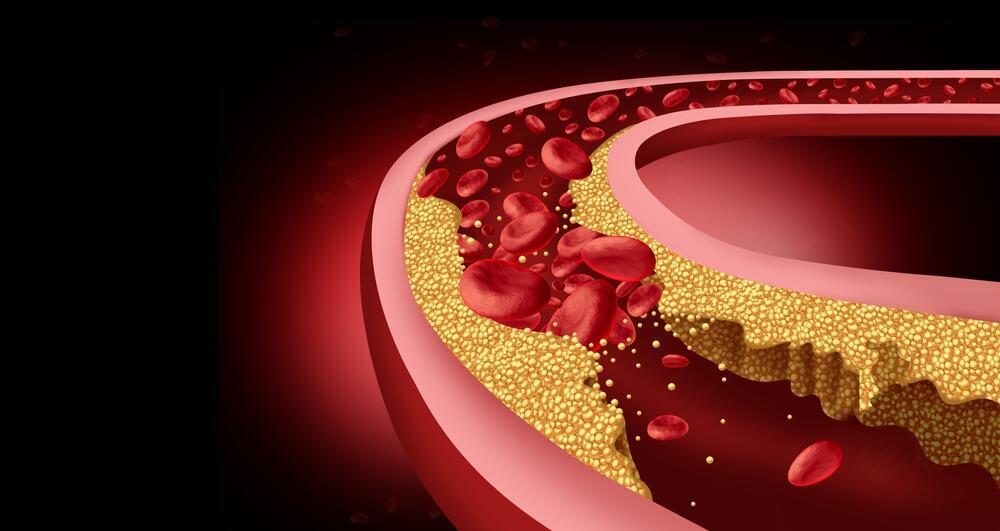
“The system that enables an erection depends on healthy blood vessels in the genital area,” Nahir said. “These blood vessels are smaller than those supplying the heart. Therefore, when atherosclerosis develops or cholesterol accumulates in the arteries, the damage may appear first in sexual function.”
Nahir said sexual problems are common among cardiac patients and often begin well before heart disease is diagnosed.
“In many cases, this occurs one to three years before the heart disease itself becomes apparent,” he said. “Therefore, when someone seeks care for erectile dysfunction, it is also worth considering an assessment of cardiovascular risk factors.”
Sexual function is not limited to erections or vaginal dryness, he added. It also includes sexual desire, the ability to maintain intimacy with a partner and the physiological processes of arousal, erection and ejaculation.
Is sex dangerous for heart patients?
The central question is usually not whether sex is dangerous, but whether the patient’s cardiac condition is stable and whether symptoms appear during exertion.
Sexual activity generally requires about 3 to 5 metabolic equivalents, or METs, a level of exertion similar to brisk walking or climbing several flights of stairs. A person who can perform that level of activity without chest pain or significant shortness of breath can generally engage in sexual activity safely from a cardiac standpoint.
The absolute risk of a cardiac event during sexual activity is considered very low. Only a small proportion of heart attacks occur during sex, and the overall long-term risk remains low.
(Photo: Shutterstock)
Medical advice should be sought when sexual activity causes chest pain, shortness of breath, a rapid or irregular heartbeat, dizziness, unusual fatigue the following day or sleep disturbances afterward.
Nahir said the connection is not limited to men. “Women with heart disease are also more likely to experience sexual dysfunction,” he said. “According to the data, women with heart disease face about a 50% higher risk of sexual dysfunction than women without heart disease.”
He added that embarrassment often prevents patients from discussing the issue. Cardiac rehabilitation teams therefore try to raise the subject sensitively. “Not everyone reports a problem, but some patients are certainly glad that we asked,” he said.
Returning to sex after a cardiac event
Many patients are afraid to resume sexual activity after a heart attack, but in most cases they can return relatively quickly if their condition is stable and they can tolerate light to moderate physical activity without symptoms.
After an uncomplicated heart attack, patients can often resume sexual activity within one to two weeks, provided their condition is stable and light to moderate exertion does not trigger symptoms.
After bypass surgery or other open-heart surgery, patients are generally advised to wait six to eight weeks, until the chest incision has healed properly. Patients with mild, stable heart failure may also be able to resume sexual activity, while those with advanced or uncontrolled heart failure should wait until their condition is stabilized.
(Photo: Shutterstock)
Patients with an implanted cardioverter-defibrillator, or ICD, can usually return to sexual activity if moderate exertion does not provoke an abnormal heart rhythm. Partners should also be told what to do if the device delivers a shock and reassured that the shock itself does not endanger them.
Some patients may benefit from gradually returning to intimacy through lower-exertion activities such as hugging, kissing and touching before resuming intercourse. The goal is to allow the body to adapt, rebuild confidence and test tolerance without excessive strain.
A dangerous drug interaction
There is an important safety concern involving erectile dysfunction medication and nitrate drugs, such as nitroglycerin, which are used to treat chest pain. Combining the two can cause a dangerous drop in blood pressure.
Patients should therefore tell their doctor about every medication they take and should not attempt to treat erectile dysfunction independently. Cardiac medications should also never be stopped without medical advice.
In some cases, a doctor may be able to adjust the dose or change a medication to reduce its effect on sexual function, provided cardiovascular risk remains properly controlled.
Do not treat only the symptom
Treatments focused solely on improving erections may help in the short term but do not necessarily address the underlying cause. When erectile dysfunction is related to vascular health, doctors should also examine blood pressure, cholesterol and blood sugar levels, weight, smoking, sleep quality and physical activity.
Sexual counseling can also help cardiac patients and their partners return safely to intimacy after a heart attack, a new cardiovascular diagnosis, a change in chronic disease, a stroke or the implantation of an ICD.
Counseling should be personalized for both men and women and may also involve the patient’s partner, who may experience fear, anxiety or overprotectiveness that makes a return to intimacy more difficult.
Anyone who notices a change in erectile function should not panic, but should also not ignore it. A family doctor can perform basic checks, including blood pressure, cholesterol and blood sugar testing.
Not every case of erectile dysfunction indicates heart disease. Stress, mental health, relationship dynamics, medication side effects, poor sleep and sleep apnea may also play a role. Still, treatment aimed only at restoring an erection is not a substitute for a broader assessment of cardiovascular and general health.