


For new immigrants, receiving medical care in Israel can be difficult even before they enter the examination room. Booking an appointment, understanding a referral, explaining symptoms or asking questions about medication can become far more stressful when patients are still learning Hebrew.
Clalit - Getting to know the clinic


Clalit is working to reduce those barriers by providing olim with access to medical and administrative services in a range of languages, helping them receive care in words they understand.
At Clalit’s Givat Shapira clinic in Jerusalem, a multilingual team of doctors, nurses, pharmacists and administrative staff offers an example of how language support can make health care more accessible and personal.
For Dr. Benji Goldstein, treating English-speaking olim means more than speaking their language. It also means understanding the confusion many patients face when they first encounter Israel’s health system. Born in Canada and raised in Israel, Goldstein returned to Canada after his military service to study psychology and medicine before specializing in family medicine. Now working at Clalit’s Givat Shapira clinic in Jerusalem, he helps patients understand not only their diagnosis and treatment, but also how to navigate appointments, referrals and follow-up care.
For olim, being able to speak with a doctor in their own language can make it easier to describe pain, understand a diagnosis and ask questions they might otherwise hesitate to raise. The same principle extends beyond the physician’s office. At the clinic, patients can receive help from nurses, pharmacists and administrative staff who guide them through appointments, treatment and follow-up care.
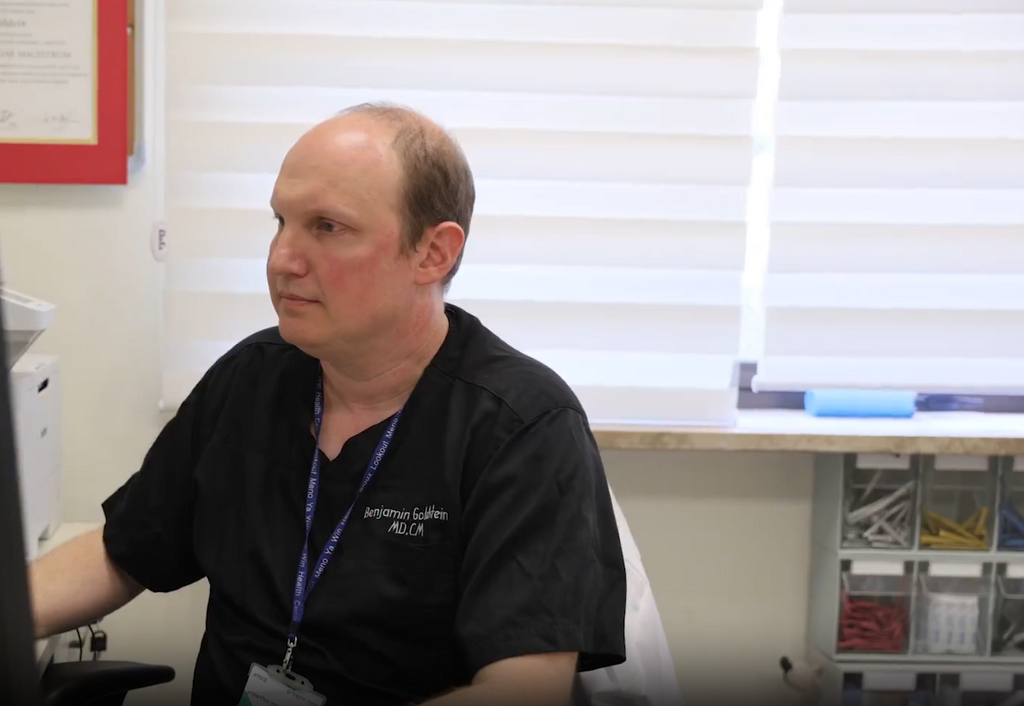
Dr. Benji Goldstein
(Photo: Screenshot)
“We have a phenomenal administrative team, as well as doctors and nurses who help guide our patients,” Goldstein said. That guidance is particularly valuable for immigrants encountering Israel’s health system for the first time.
Goldstein said new patients often arrive feeling overwhelmed by an unfamiliar structure and unsure where to begin. “Understanding how it works can be a little bit confusing,” he said. “They’re often very relieved after they get over that initial feeling of being overwhelmed.”
For Yael Lakin, who made aliyah from California at 18, the challenge became especially clear when she was pregnant with her first child. “It was very difficult for me at first,” she said. “It was hard to understand what to do, which doctors to see. I didn’t even know how to make an appointment.”
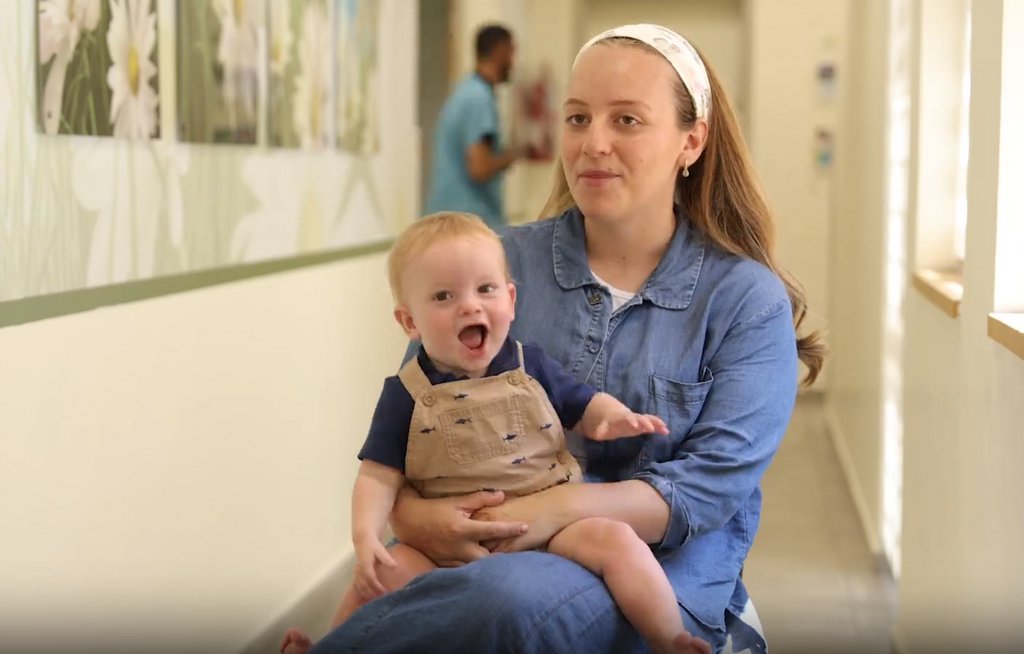
Yael Lakin with her child
(Photo: Screenshot)
Lakin had come to Israel for a gap-year seminary program and decided to stay. She is now raising two children in the country. After moving to Clalit, she said, receiving care became far simpler. “I came to Clalit, and from there it was very smooth,” she said.
Language is only one part of that experience, but it can shape every stage of a patient’s care. When patients can speak with staff in a language they know well, they are better able to understand instructions, describe concerns and take an active role in medical decisions.
For parents, that clarity can be especially reassuring when seeking care for a child. “The doctor here knows me. He knows my kids. He recognizes them,” Lakin said. “There’s a lot of trust that he knows what he’s doing and that he’s familiar with how my children usually behave.”
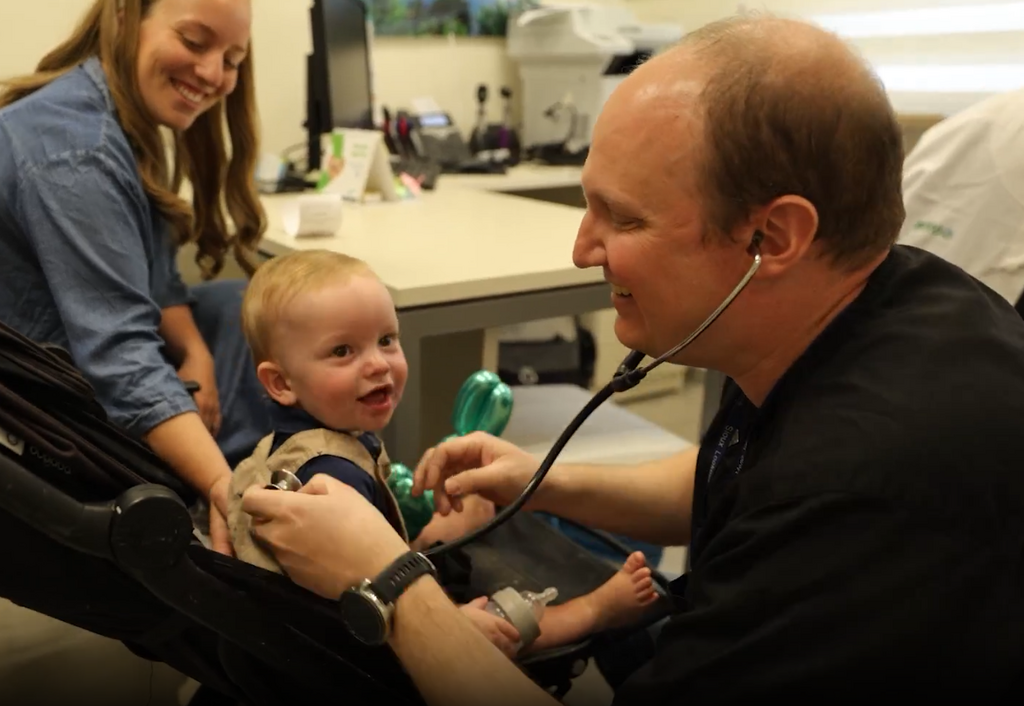
Goldstein said effective medical care begins with understanding the person, not only the immediate condition
(Photo: Screenshot)
Goldstein said effective medical care begins with understanding the person, not only the immediate condition. “I’d like to say, first and foremost, I’m a person, and then I’m a doctor,” he said. “I’m not treating a laceration. I’m treating a person with a laceration.”
For olim, being understood can carry both medical and emotional importance. A familiar language can help patients explain what they are experiencing more precisely, while multilingual staff can make procedures, prescriptions and next steps less intimidating.
The Givat Shapira clinic brings several services together in one location, including family medicine, nursing care, pharmacy services and administrative support. But the broader goal reaches beyond a single clinic.
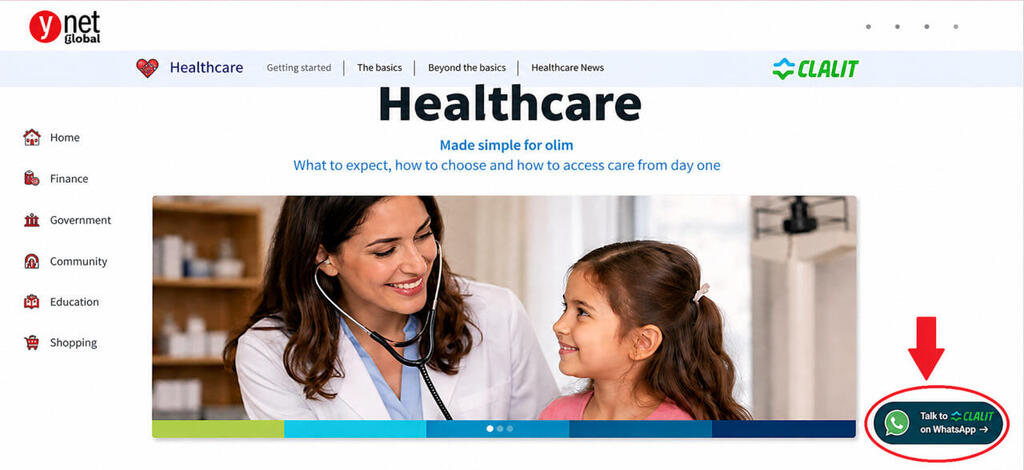
Go to Global Aliyah and click on this Whatsapp icon for direct communication with a Clalit special representative for olim
By offering services to olim in languages they understand, Clalit can help new immigrants move through the health system with greater confidence, whether they are speaking with a doctor, receiving nursing care, filling a prescription or arranging an appointment.
For families building a life in Israel, access to care in their own language can turn an unfamiliar medical system into one that feels clearer, safer and more welcoming.
In cooperation with Clalit Healthcare services