

The Health Ministry warned Thursday against purchasing or using illegal peptides marketed for weight loss, bodybuilding and anti-aging, saying the unregulated substances could cause severe health problems, including liver and kidney damage, hormonal disorders and dangerous fluctuations in blood sugar levels.
The warning concerns peptides, short chains of amino acids, sold as injectable or oral products and promoted for weight loss, muscle development, skin rejuvenation and improved athletic performance, despite not being approved for those uses in Israel.
Gallery

Demand for peptides is rising sharply worldwide and in Israel. Illustration
(Photo: Mike_shots / Shutterstock )
Among the substances identified by the ministry are BPC-157, GHK-Cu, CJC-1295 and TB-500, as well as retatrutide, an experimental weight-loss drug that has shown promising results in clinical trials for obesity but has not yet received regulatory approval.
According to the ministry, using substances obtained from unregulated sources may cause serious health complications, including allergic reactions and infections. Products manufactured or packaged without proper oversight may also contain contaminants or dangerous ingredients not listed on their labels.
The Israeli warning follows similar alerts from health authorities in Canada and Australia and comes amid soaring demand for weight-loss injections, a trend accompanied by the emergence of a black market for unapproved and illegally marketed products.
From diabetes medication to weight-loss injections
Dr. Liat Barzilai-Yosef, an internal medicine and endocrinology specialist who heads the obesity treatment clinic at Meir Medical Center, part of Clalit Health Services, explained that the growing demand for such treatments reflects a fundamental shift in how obesity is understood and treated.
"In the past, obesity was less commonly recognized as a disease, and the focus was mainly on trying to lose weight," she said. "Over the years, we came to understand that obesity is a complex disease and that losing weight is not a simple task. Some patients need additional support, including medication alongside lifestyle changes."
For years, pharmaceutical treatments for obesity were limited, and some medications were withdrawn from the market because of side effects and health risks. A major breakthrough came with the development of GLP-1-based medications, originally designed to treat diabetes.
"These medications work through mechanisms involving hormones released by the digestive system, which affect, among other things, the hunger and satiety centers in the brain," Barzilai-Yosef explained. "When researchers noticed that patients with diabetes who received these medications were also losing weight, they quickly began investigating their effectiveness in people living with obesity who did not have diabetes."
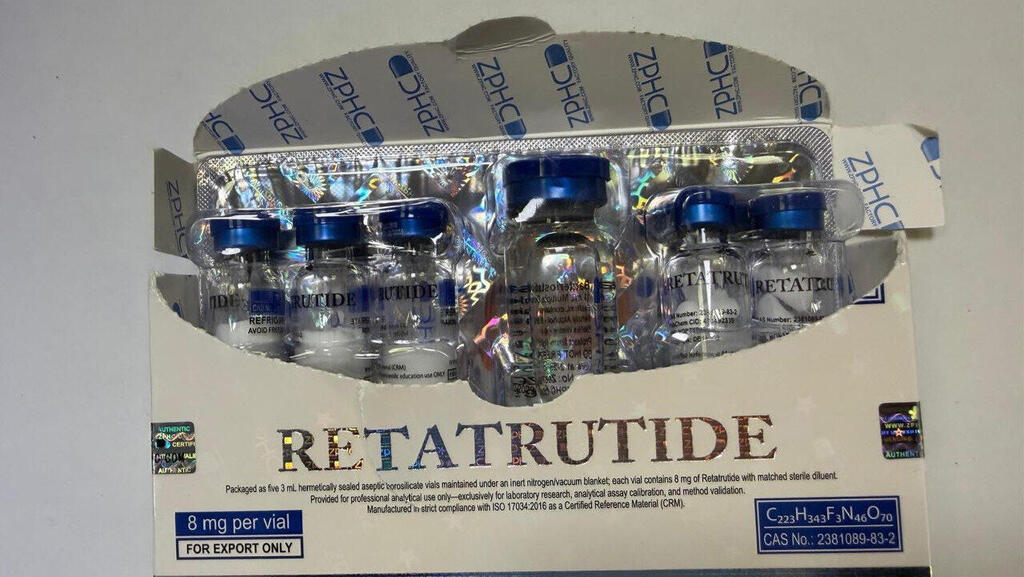
Illegal peptides marketed for weight loss and bodybuilding
(Photo: Health Ministry)
Today, several established medications are available for obesity treatment, including Wegovy and Mounjaro, while additional drugs based on similar mechanisms remain under development.
"The treatments currently approved have been tested on thousands of patients in clinical trials, under strict regulatory oversight and with monitoring of side effects," Barzilai-Yosef emphasized.
But alongside these medical advances, the high price of treatment has placed some of these medications beyond the reach of patients, particularly those without supplementary coverage through their health maintenance organization or private health insurance.
"These medications can cost hundreds or even thousands of shekels a month without insurance coverage," she said. "It's important to understand that this isn't an injection you take for two weeks and then finish. It's a chronic treatment that lasts months, years and sometimes even a lifetime."
Not everyone can access treatment
The gap between strong demand and the high cost of approved medications has helped create opportunities for an unregulated market in substances presented as weight-loss treatments.
One example is retatrutide, which was specifically included in the Health Ministry's warning. Although it has produced encouraging results in clinical research, the drug remains investigational and has not been approved for marketing.
Barzilai-Yosef said restrictions on who qualifies for treatment may also drive consumers toward unregulated alternatives.
 Dr. Liat Barzilai-YosefPhoto: Orit Wilner
"There's an issue of regulation here. Not everyone receives the treatment they would like," she explained. "Of course, these approvals are important because they're designed to protect patients. In that situation, you can understand how a black market develops when people try to obtain these substances through other channels."
Another significant concern involves storage conditions. Certain medications are sensitive to temperature changes, and improper handling can compromise their effectiveness.
"These are protein-based medications, and some must be kept refrigerated, much like insulin preparations and certain medications used in fertility treatments," she said. "Storage conditions have to be maintained. I remember going to a pharmacy once and being told there was no refrigerator available, so medications of that kind couldn't be sold there. That's how important it is."
Beyond improper storage, the composition and effects of unregulated products can be difficult to determine, exposing users to potentially serious complications.
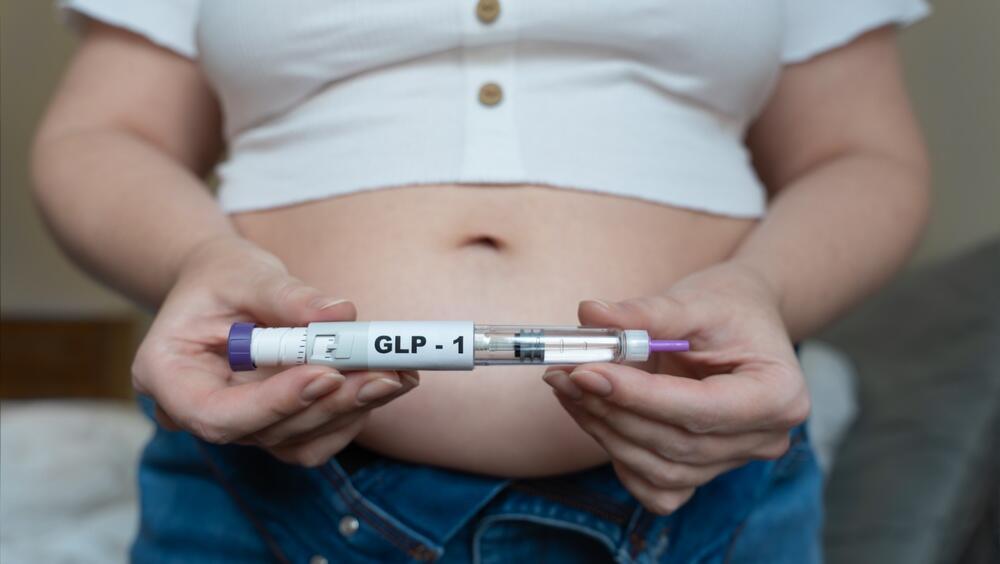
Are high prices for weight-loss injections in Israel pushing consumers toward the black market?
(Photo: KaterynaBorodina/Shutterstock)
"The temptation to lose weight is very strong, but the process can be complicated," Barzilai-Yosef said. "Some people think they can use other substances to lose weight quickly. In the past, for example, some people used thyroid hormones to speed up their metabolism and lose weight, but those substances can cause serious heart problems and heart rhythm disturbances."
She warned that substances affecting metabolism may also harm other organs.
"A substance that speeds up metabolism can cause significant damage to other organs, including the heart," she said. "I would be extremely cautious about consuming products like these. Anyone who genuinely cares about their health should think very carefully before putting substances into their body that could damage other systems."
Making safe treatment more accessible
Barzilai-Yosef believes that reducing demand for black-market weight-loss products will require the healthcare system to address the barriers that prevent patients from obtaining approved treatments.
"Ultimately, people sometimes turn to these substances because they want to save money or bypass regulatory restrictions, without understanding the health risks involved," she said. "I hope the healthcare system recognizes the problem and is working to make treatment more accessible while taking into account the needs of the population that requires it."
She stressed that effective obesity treatment can improve patients' overall health and potentially reduce the burden of other medical conditions.
"Obesity is a significant disease that affects patients' physical and mental health," she said. "I see patients whose obesity treatment has resolved so many other health problems. That's why I strongly believe these medications should be made as accessible as possible, provided treatment is appropriate and accompanied by ongoing medical monitoring."
She added that improving access could also have broader economic benefits.
"This is treatment that can prevent other illnesses, and the healthcare system could save a great deal of money if it properly treated patients living with obesity."
The Health Ministry urged consumers to purchase medications and dietary supplements only from authorized suppliers and to avoid buying medical substances through social media or unfamiliar websites.
Anyone experiencing symptoms or concerned about potential harm after using such products should seek medical attention promptly and inform healthcare professionals exactly which substance they took.
The ministry also called on the public to report the sale or marketing of illegal peptides through its Kol HaBriut (Voice of Health) hotline at *5400.