

A large international study involving researchers from several countries, including a team from University College London, has found that long-term exposure to polluted air significantly weakens the health benefits of regular exercise. The study, published in the medical journal BMC Medicine, analyzed data from more than 1.5 million people tracked for over a decade in the United Kingdom, Taiwan, China, Denmark and the United States.
The central finding was clear: people living in areas with high air pollution gain fewer health benefits from physical activity. The reduced benefit applied to overall mortality as well as deaths from cancer and heart disease. Exercise still helps — but far less.
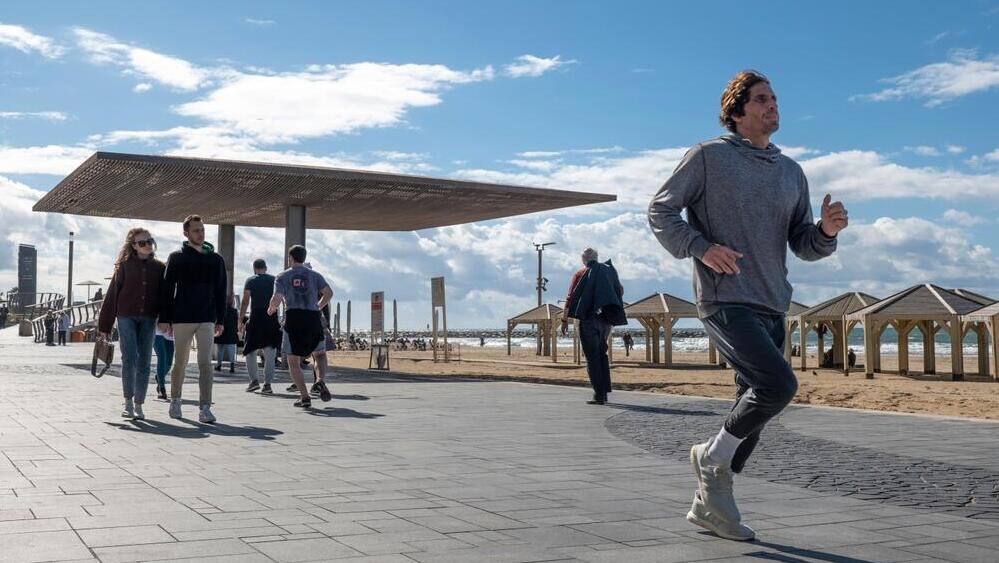
Researchers focused on PM2.5 particles, tiny microscopic pollutants that can penetrate deep into the lungs and even enter the bloodstream. When levels are high, the body is exposed to more harm. According to the study, once annual PM2.5 pollution reached 25 micrograms per cubic meter or higher, the positive impact of exercise declined sharply.
Nearly half the world’s population lives in areas that meet or exceed that threshold. Lead author Prof. Po-Wen Ku of Taiwan said: “Our findings emphasise that exercise remains beneficial even in polluted environments. However, improving air quality can greatly enhance these health gains.” His co-author, Prof. Andrew Steptoe of UCL, added: “Our study shows that toxic air can to some extent block the benefits of exercise, although not eliminate them. The findings are further evidence of the damage that fine particle pollution can do to our health. We believe clean air and physical activity are both important for healthy ageing and so we encourage greater efforts to curb health-harming pollution levels.”

Finished your workout? Pay attention to the weather outside
(Photo: Drazen Zigic / Shutterstock)
To reach these conclusions, the researchers combined data from seven studies, including three not previously published. They examined summary data as well as reanalyzed individual participant information. Overall, people who exercised at least two and a half hours a week — moderate or vigorous activity — had a 30 percent lower risk of death during the study period compared with those who did not reach that level.
But among people living with air pollution above 25 micrograms per cubic meter, the benefit dropped to just 12–15 percent — nearly half. The advantage shrank even further when pollution exceeded 35 micrograms, particularly regarding cancer mortality. In simple terms, when the air is heavily polluted, exercise cannot provide the same level of protection it offers in cleaner environments. According to the researchers, about 36 percent of the world’s population lives in areas above this higher threshold. In England, average pollution levels are relatively low — around 10 micrograms — but winter spikes can reach 25 micrograms or more, eroding exercise’s protective effect.
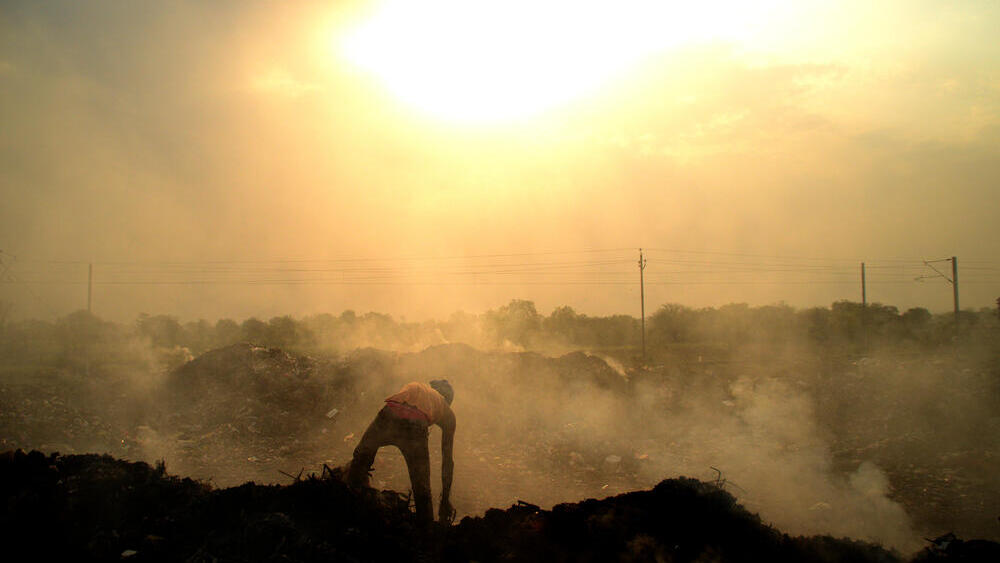
Air pollution
(Photo: Shutterstock)
Prof. Paola Zaninotto of UCL said: “We don’t want to discourage people from exercising outdoors. Checking air quality, choosing cleaner routes, or easing off intensity on polluted days can help you get the most health benefits from your exercise.”
The researchers also noted limitations. Most data came from wealthier countries where pollution levels are comparatively stable and lower overall, meaning the impact could be even stronger in low-income countries where levels frequently reach 50 micrograms or higher. They also lacked sufficient information on indoor pollution and participants’ diets. Despite this, the study adjusted for many other risk factors, including income, education, smoking and chronic illnesses. The research team included scholars from the UK, United States, Australia and several Asian countries, with the UK portion based on UK Biobank data.
First published: 05:31, 12.04.25