


It’s a common warning we’ve all heard growing up: “Stop cracking your knuckles, or your hands will shake when you’re older!” This ominous claim, which resembles a symptom of Parkinson’s disease, has long been used to dissuade this habit. But is there any truth to it?
Knuckle cracking, a biomechanical phenomenon scientifically referred to as "cavitation," is a widespread habit. Studies indicate that up to 54% of the population engages in it regularly. The audible “popping” or “clicking” sound occurs when a joint is stretched, creating a temporary pressure drop within the joint cavity, which is filled with synovial fluid. This pressure reduction leads to the formation of gas bubbles in the fluid, and the subsequent burst of these bubbles is what produces the characteristic sound.

Despite its popularity, many individuals are concerned that habitual knuckle cracking may cause long-term joint damage, particularly osteoarthritis—the most prevalent form of arthritis. Osteoarthritis is characterized by pain, stiffness and swelling, often manifesting in older people. While the exact etiology of osteoarthritis remains incompletely understood, its development is strongly influenced by genetic predisposition and prior joint trauma. But does cracking knuckles really pose a risk?
Research to date has not demonstrated any correlation between habitual knuckle cracking and an increased risk of arthritis. Comparative imaging studies have shown no structural differences in the joints of individuals who crack their knuckles versus those who do not. One well-known case involved an American physician who deliberately cracked the knuckles of one hand exclusively for over 60 years. Upon examination, no evidence of joint damage was found in the hand he used for this experiment.
However, other well-established risk factors for osteoarthritis do exist, including sports-related injuries such as periarticular fractures or ligament tears, as well as autoimmune diseases like rheumatoid arthritis, which can predispose individuals to joint degeneration.
“Knuckle cracking is an extremely common phenomenon, especially among children. Most people tend to grow out of the habit as they age,” explains Dr. Shadi Salah, a senior specialist in the Hand Unit at the Orthopedic Department of Meir Medical Center, part of Clalit Health Services. “There are many myths and urban legends surrounding this habit, claiming that it causes joint damage or wear-and-tear. In reality, it is simply a natural biomechanical process.”
 Dr. Shadi SalahPhoto: Courtesy
Dr. Salah elaborates that the joints of our fingers contain small anatomical cavities filled with synovial fluid, a natural lubricant essential for maintaining joint function. “When we crack our knuckles, we stretch the joint and expand the cavity within it. This reduces the pressure in the synovial fluid, causing dissolved gases in the fluid to form bubbles. When these bubbles burst, the characteristic sound is produced. This physical process is referred to as cavitation.”
Is there scientific evidence supporting the risks?
“There is no scientific evidence that knuckle cracking leads to joint damage or arthritis,” Dr. Salah emphasizes. “As with any medical topic, there are studies that argue both for and against potential harm, but the overwhelming majority of the literature has found no connection. From a medical standpoint, this is simply an urban legend.”
Get the Ynetnews app on your smartphone: Google Play: https://bit.ly/4eJ37pE | Apple App Store: https://bit.ly/3ZL7iNv
Interestingly, Dr. Salah notes, “It is impossible to crack the same joint twice in quick succession. After the first crack, it typically takes about 30 minutes for the synovial fluid to rebalance and for the gas bubbles to dissolve, allowing the joint to be cracked again.”
In some cultures, knuckle cracking is viewed as socially inappropriate or even considered to bring bad luck. “This is also a cultural phenomenon,” Dr. Salah explains. “According to the literature, more than 50% of people engage in this habit at some point in their lives.”
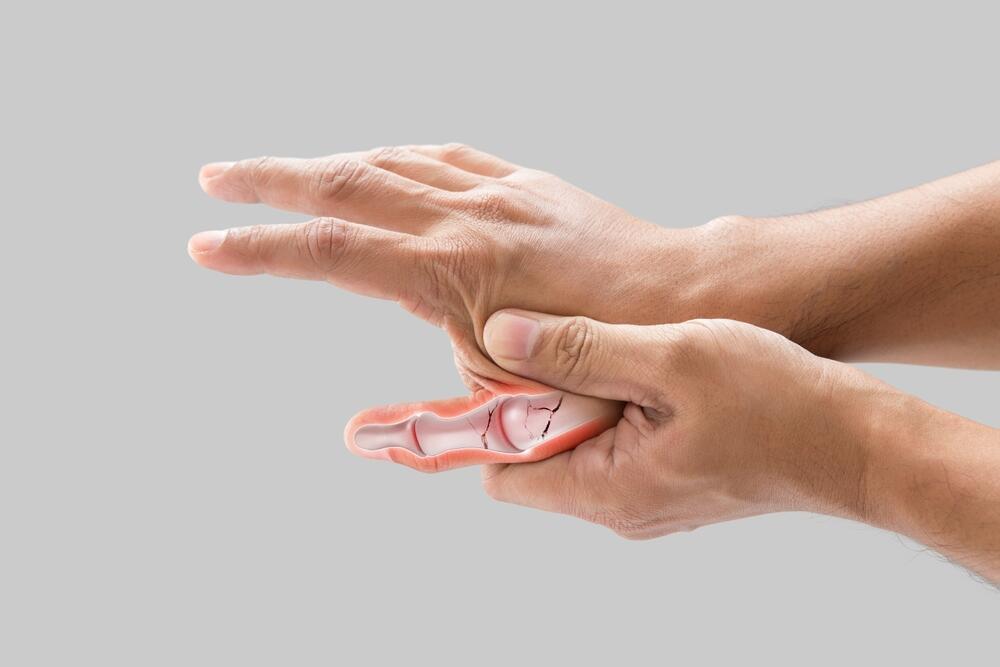
(Photo: Shutterstock)
The claim that “cracking knuckles will make your hands tremble when you’re older” is categorically false, according to Dr. Salah. “There is no scientific evidence to support the idea that knuckle cracking causes joint wear or damage. While there are always differing opinions in medicine, the majority of research finds no connection. For physicians, this remains nothing more than an urban legend.”
Are there inherent risks?
Dr. Salah does point out that habitual knuckle cracking is more prevalent in individuals who may have other addictive tendencies, such as smoking, alcohol consumption or nail-biting. “There is also some speculation that this behavior is associated with stress, as it appears to occur more often in individuals who experience anxiety. However, this connection is neither definitive nor conclusive.”
The habit itself does not appear to directly cause osteoarthritis. According to past studies, osteoarthritis is a systemic condition that affects the entire body, not just the hands. It is characterized by chronic cartilage degeneration in joints, progressing with age and influenced by genetic predisposition, environmental factors such as obesity, repetitive trauma (e.g., fractures) and gender—women are more likely to develop the condition.
Nevertheless, some studies have identified other potential side effects of excessive knuckle cracking, including joint swelling, tendon inflammation (tendinitis) and even reduced grip strength. These findings suggest that over time, frequent knuckle cracking might contribute to joint weakness.
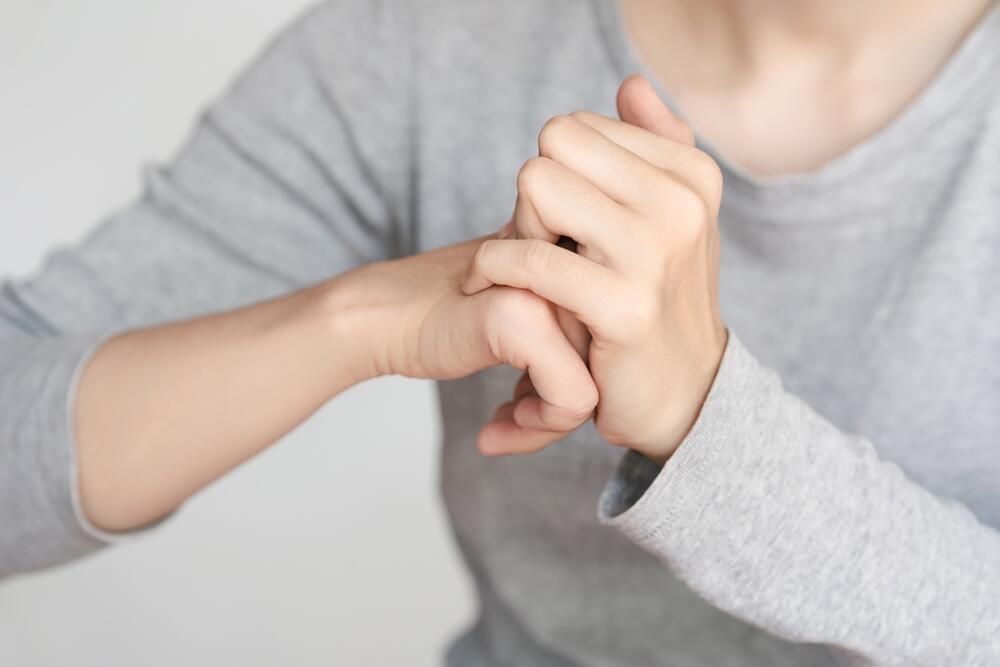
(Photo: Shutterstock)
“It is important to differentiate between unrelated joint issues and the habit of knuckle cracking,” says Dr. Salah. “For example, some individuals develop a condition known as ‘trigger finger,’ which involves inflammation of the tendon sheath, causing the finger to lock in a bent position. In some cases, the other hand is needed to straighten it. If recurring symptoms or warning signs appear, it is advisable to seek evaluation from a specialist.”
One thing is certain, Dr. Salah stresses: “Knuckle cracking does not cause hand tremors resembling Parkinson’s symptoms.”
Protecting joint health
To minimize the genuine risks of arthritis and maintain overall joint health, physicians recommend adopting a healthy lifestyle, engaging in regular physical activity and maintaining a healthy body weight. These measures are effective in reducing the likelihood of joint degeneration and ensuring long-term mobility.