


Nearly one in three people worldwide carries a microscopic parasite that can settle in the brain and remain there for life without causing any noticeable symptoms. In most cases, the parasite Toxoplasma gondii lies dormant and goes undetected. Now a new American study reveals what happens behind the scenes: how the immune system keeps the parasite under control even when it infiltrates the immune system’s own frontline cells, and what can go wrong when that defense fails.
The study, conducted at the University of Virginia and published in the journal Science Advances, identifies a previously unknown mechanism: CD8+ T cells, among the immune system’s key infection-fighting cells, can trigger a form of programmed cell death when they themselves become infected with the parasite, effectively destroying it from within.
Gallery
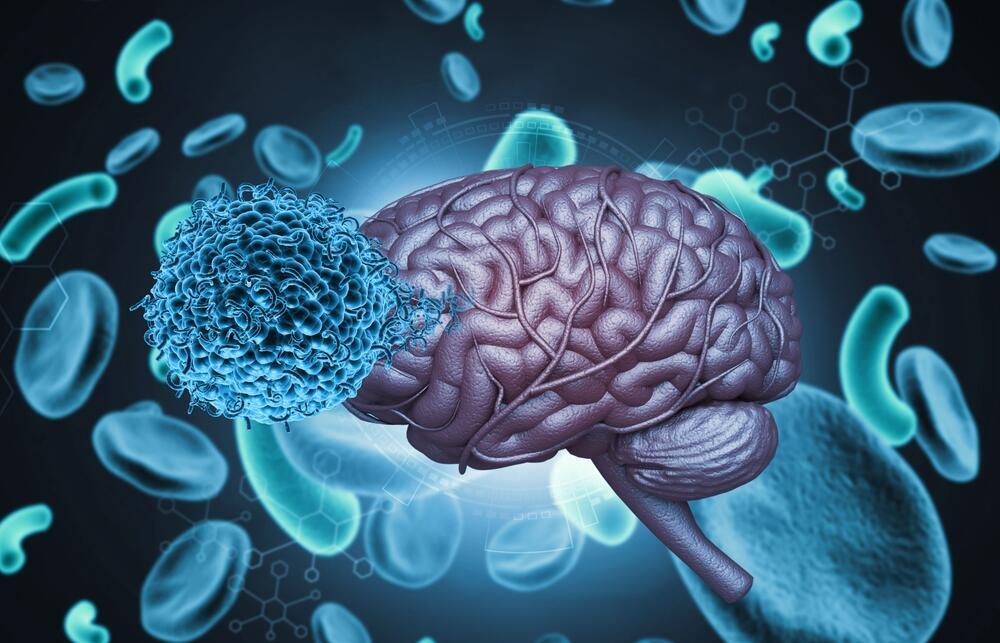
Nearly 1 in 3 people worldwide carries a microscopic parasite that can settle in the brain for many years
(Photo: Shutterstock)
Prof. Tal Brosh, head of the infectious diseases unit at Assuta Ashdod Medical Center, said the research sheds light on how the body controls Toxoplasma, a microscopic parasite that infects humans primarily through food and can survive in the body for years in a dormant state without symptoms.
"In situations of immune suppression such as AIDS, immunosuppressive treatments or during pregnancy, the parasite can reactivate and cause severe damage, particularly in the brain and eyes," Brosh explained.
"The study identified for the first time a central role for the enzyme caspase-8 in suppressing the parasite. In Israel, infection rates are relatively low, and most cases are not linked to contact with cats but rather to eating undercooked meat or unwashed fruits and vegetables."
 Dr. Tal BroshPhoto: Assuta Ashdod
Prof. Mical Paul, head of the Infectious Diseases Institute at Rambam Health Care Campus, added that Toxoplasma can persist in the body for life, primarily within muscle and brain cells, and may cause severe disease, especially encephalitis, when the immune system is weakened. "Previous studies in Israel found major differences in infection rates among population groups, ranging from 20% to 70%."
According to Paul, the new research examined brain defense mechanisms and found that caspase-8 helps control the parasite by triggering programmed death in infected cells. "In mouse experiments, the absence of the enzyme led to severe disease and death," she said. "Although this is basic research without immediate clinical applications, it offers new insight into the transition from silent infection to disease and may eventually help guide preventive or therapeutic strategies."
A common parasite, a rare disease
Toxoplasma gondii is an intracellular parasite that infects warm-blooded animals, including humans. Infection usually occurs through contact with cat feces, contaminated fruits or vegetables, or undercooked meat. After infection, the parasite spreads throughout the body and can settle in tissues such as the brain, where it may remain for life.
Although about one-third of the global population carries the parasite, most people never develop symptoms. The disease it causes, toxoplasmosis, primarily emerges in immunocompromised individuals, including cancer patients, transplant recipients and people with HIV. In severe cases it can lead to brain inflammation and even death.
This gap between the widespread presence of the parasite and the rarity of severe illness was the central question behind the new study.
Researchers led by Prof. Tajie Harris of the University of Virginia set out to understand what happens when the parasite infects CD8+ T cells, which normally identify and destroy infected cells.
 Prof. Mical PaulPhoto: Rambam Health Care Campus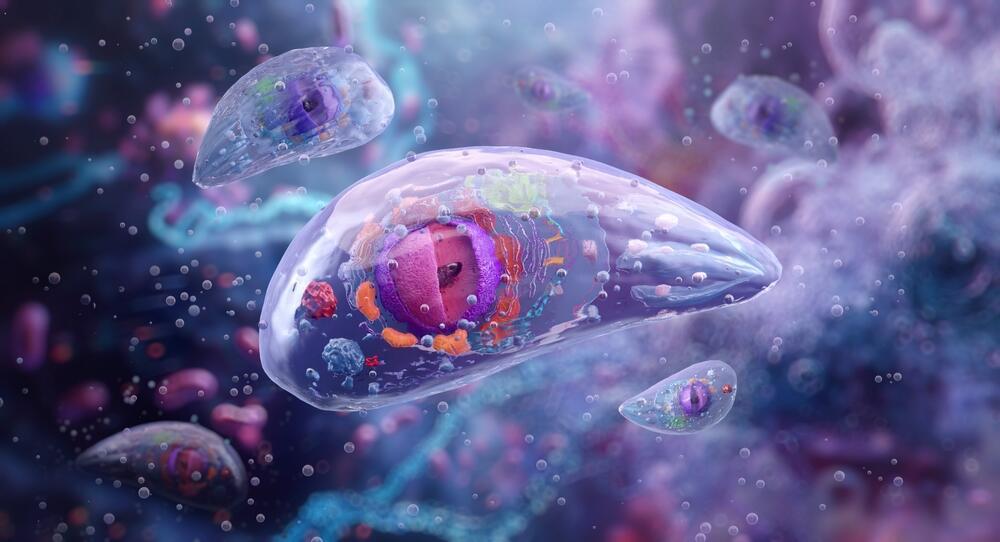
Toxoplasma gondii parasite
(Photo: Shutterstock)
"We know that T cells are really important for combatting Toxoplasma gondii, and we thought we knew all the reasons why," Harris said in an interview reported by ScienceDaily. "We found that these very T cells can get infected, and, if they do, they can opt to die. Toxoplasma parasites need to live inside cells, so the host cell dying is game over for the parasite."
The enzyme that triggers the self-destruct mechanism
At the center of this process is an enzyme called caspase-8, known for its role in regulating programmed cell death.
The researchers discovered that when CD8+ T cells become infected with Toxoplasma, caspase-8 activates a self-destruction process that kills both the infected cell and the parasite inside it.
To test the mechanism, scientists conducted experiments in mice in which caspase-8 was removed from T cells. In those mice, parasite levels in the brain were seven to eight times higher than in normal mice.
Surprisingly, the disease developed despite a very strong immune response, reflected in elevated levels of T cells and key cytokines, such as IFN‐gamma.
The mice became severely ill and died within weeks. Brain tissue analysis showed CD8+ T cells infected with the parasite, sometimes with clear signs that the parasite was multiplying inside them.
By contrast, mice in which caspase-8 functioned normally in T cells remained healthy, and parasite levels in the brain stayed low and controlled.
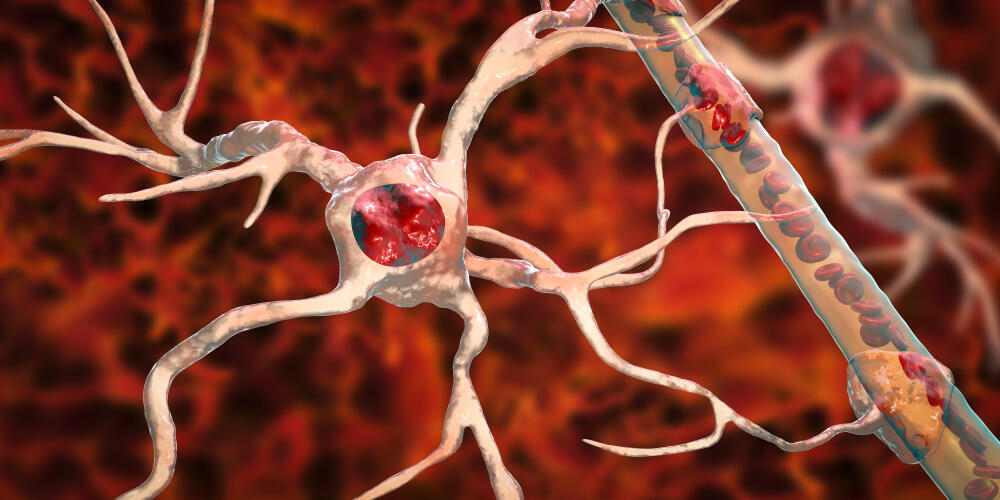
Astrocytes connect nerve cells to blood vessels and play a central role in the interface between the brain and the immune system. 3D illustration
(Photo: Shutterstock)
Researchers also examined what happens when caspase-8 is deleted from other types of brain cells including neurons, astrocytes and microglia. In those cases, infection did not worsen. Only when the enzyme was removed specifically from CD8+ T cells did parasite levels rise and survival drop.
The conclusion was clear: the critical defense against the parasite does not occur within brain cells themselves, but inside the immune cells that arrive to fight the infection.
A 'Trojan horse' in the brain
The findings suggest that when the caspase-8 mechanism fails, the parasite can survive and even multiply inside CD8+ T cells. In that situation, the very cells meant to eliminate infection may instead become vehicles that help spread it within the brain.
Researchers documented infected T cells carrying more than one parasite, indicating the organism was able to survive inside them for extended periods.
The study also found a connection to the Fas receptor, which activates caspase-8. Mice lacking Fas developed higher parasite loads in the brain and died earlier despite an otherwise normal immune response.
This finding strengthens the understanding that the Fas–caspase-8 pathway is a key component in restraining the infection.

The study’s findings explain how the body prevents a common parasite from becoming fatal threat
(Photo: Shutterstock)
"Prior to our study, we had no idea that Caspase-8 was so important for protecting the brain from Toxoplasma", Harris said to ScienceDaily.
It means that "CD8+ T cells can trigger a self-destruct mechanism; By sacrificing themselves, the infected cells also wipe out the parasite inside them," according to ScienceDaily.
Clinically, the findings help explain the long-standing puzzle of why infection with Toxoplasma gondii is so common while severe disease is relatively rare. In people with healthy immune systems, the parasite is kept under control and usually causes no symptoms, but when the immune system is compromised, the infection can spiral out of control and become life-threatening.
The study also highlights that the problem is not always a failure of the immune system to respond, but rather a failure of its internal regulatory mechanisms, particularly the ability of immune cells to trigger programmed cell death once they themselves are infected.
The researchers say a deeper understanding of this mechanism could eventually lead to new strategies to protect high-risk patients, not by boosting the immune response but by preserving the mechanisms that prevent the parasite from exploiting it.