


Robert F. Kennedy Jr., the controversial new U.S. health secretary, has not hesitated to call processed food “poison,” saying it is responsible for the obesity epidemic. Now, a groundbreaking study published in the prestigious journal Nature Medicine backs his claim, and reveals an even more troubling finding: even processed foods marketed as “healthy” may contribute to the problem.
Think you’re eating healthy, but the scale won't budge? The issue may not be your menu, but the level of processing in your food. The study, the largest and longest clinical trial to date examining the effect of processed food on body weight, found that participants who ate home-style, minimally processed meals lost almost twice as much weight as those who consumed ultra-processed foods.
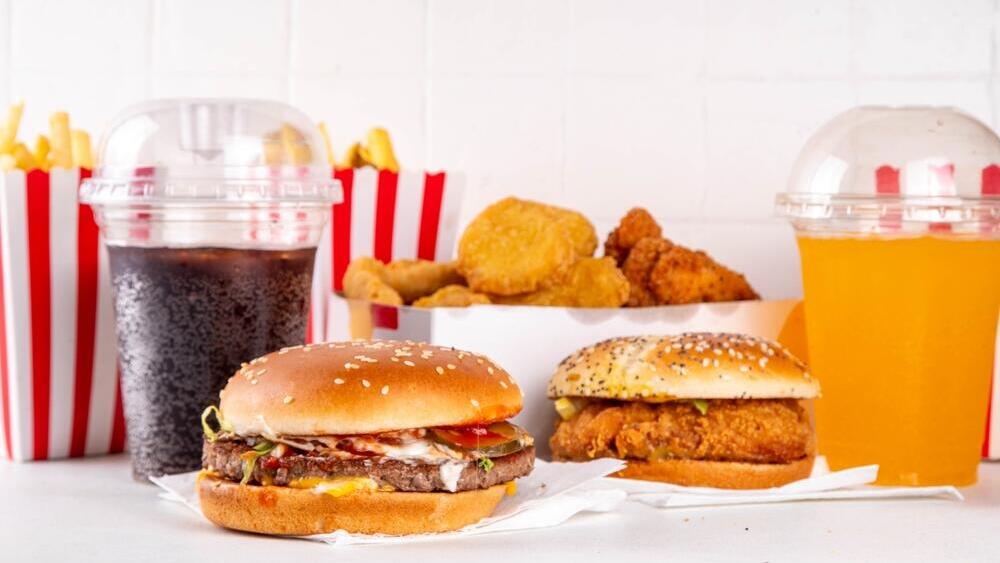
In the U.S., health officials have long warned about ultra-processed food, which makes up about 70% of the American diet. Nearly 60% of the average American’s daily calories come from it. In Britain, fewer than 1% of people meet government nutrition guidelines, with most relying on processed food as a staple. Israel shows a similar pattern.
While previous studies linked ultra-processed food to obesity, most were observational and could not prove direct cause. Two earlier small-scale trials found that adults eating ultra-processed diets consumed 500–800 more calories per day than those on simpler diets. But critics said the findings might have changed if the studies were longer or used “healthier” processed foods. The new study, while still small in scope, was designed to address these points.
Conducted over about 16 weeks with 55 overweight participants in the UK, the trial split volunteers into two groups for eight weeks: one ate minimally processed meals such as overnight oats or homemade spaghetti Bolognese, while the other ate ultra-processed options like ready-to-eat breakfast bars and heat-and-serve lasagna. After a short break, the groups switched menus. Each participant was allowed up to 4,000 calories per day and instructed to eat as much as they wanted, recording intake in personal food logs. Fifty participants completed both phases.
One distinctive feature was that each person served as their own control group, allowing researchers to measure how each diet affected them individually. The results were clear: those on minimally processed diets ate an average of 290 fewer calories per day and lost about 1.8 kilograms over two months — compared to less than a kilogram when eating ultra-processed food. Those on the ultra-processed diet reduced intake by only 120 calories per day, with modest weight loss.

Heat-and-serve lasagna was one of the ultra-processed foods provided
(Photo: Shuttershock)
If the trend continued for a year, researchers estimate that weight loss could reach 9–13% of body weight on the simple diet, versus just 4–5% on the processed one. Participants on the minimally processed diet also lost more than twice as much body fat.
Interestingly, even the ultra-processed diet in the study produced some weight loss, likely because it was more balanced than participants’ usual eating habits and included relatively high-quality ingredients. Minimally processed food generally has fewer calories per bite, provides satiety faster and often requires more chewing, slowing eating pace and reducing intake.
Get the Ynetnews app on your smartphone: Google Play: https://bit.ly/4eJ37pE | Apple App Store: https://bit.ly/3ZL7iNv
Participants also reported better control over cravings when eating minimally processed meals — a surprising outcome, since weight loss usually increases hunger. Researchers believe such diets may “reset” the body’s craving mechanisms, reducing food noise and encouraging eating based solely on physical hunger.
Eat at home
Alongside its findings, the study had some limitations. It was relatively short in duration, so early weight changes might have leveled off or reversed over time. In addition, the researchers could not accurately track how much food participants actually consumed or when they ate, and some reported eating outside of the provided meals. Most participants were women, making it unclear whether results would differ among men or children.
(Photo: Shutterstock)
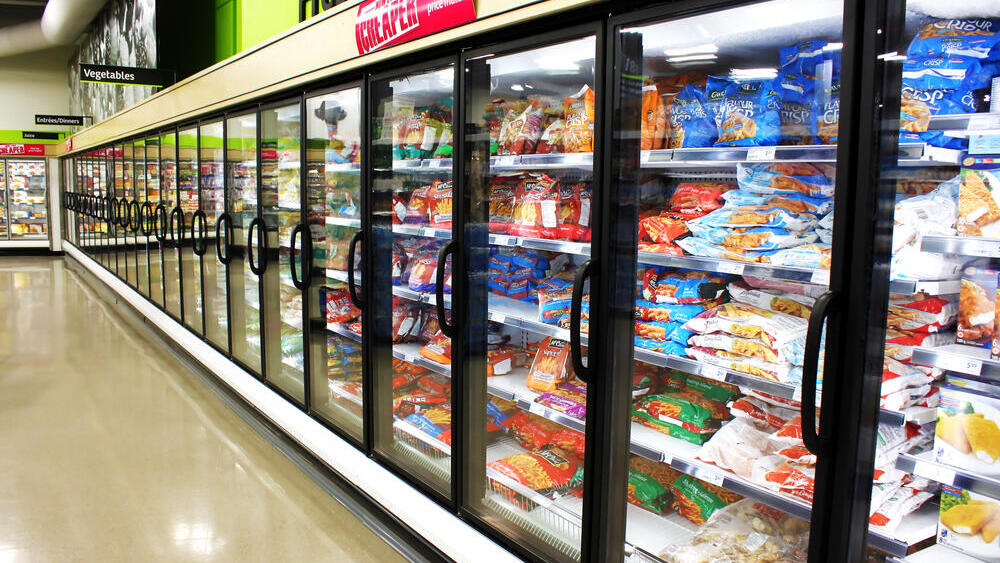
Still, the main takeaway is that, even when following a “healthy” diet as recommended, there is a clear advantage to choosing less-processed foods. The problem is that such foods are common, convenient and often cheaper than simple, whole foods, making them hard to avoid entirely.
The recommendation: choose foods with familiar, clear ingredient lists and cook at home as much as possible, focusing on fresh vegetables, lean proteins and whole grains. While personal habit changes are a good start, real progress will only come when food manufacturers offer consumers simpler, more nutritious and accessible products. In other words, a cultural shift in how we think about food is needed.
“The new research findings are important and reinforce what we see every day when treating people with obesity – the quality of food matters no less than the quantity. Even if a diet meets official recommendations, if it is based on highly processed foods, its effect on weight loss will be more limited,” according to Dr. Raz Hagoel, director of the Medical Center for Obesity Treatment.
“High-quality dietary change is the foundation of any successful weight-loss treatment. In cases of more severe obesity, combined treatment that includes advanced medications is needed," he continued. "But it’s important to remember – medication alone is not a magic fix, and dietary change alone is not enough to start the process. The combination of balancing hunger and satiety mechanisms with tailored nutrition and professional guidance enables real and lasting change. Weight loss is a process, and its main goal is to improve the patient’s health and quality of life.”