

Nutmeg, once known in traditional medicine as the "spice of kings" for its high price and potent properties, has long been prized, but it must be used with care, as overuse can pose health risks.
Native to Indonesia’s Spice Islands, the nutmeg tree produces seeds known scientifically as Myristica fragrans, derived from the Greek word Myron, meaning perfume or aromatic oil.
Gallery
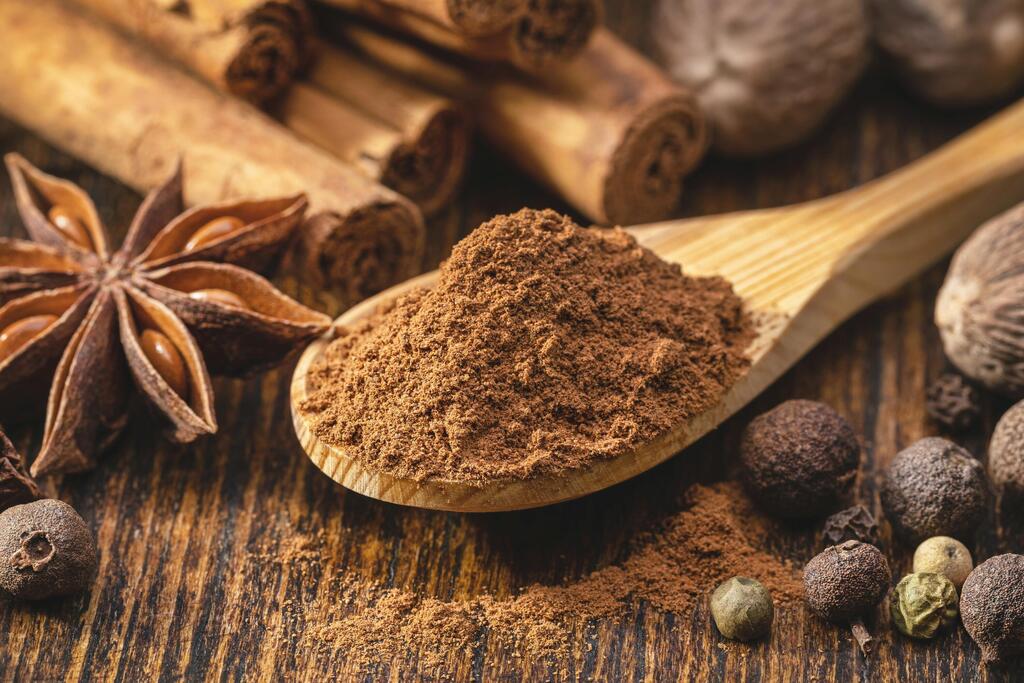
Nutmeg. Rich in antioxidants, including phenolic compounds and essential oils
(Photo: Shutterstock/ASAP Creative)
Scientifically proven benefits
Antioxidant properties:
Nutmeg is rich in antioxidants, including phenolic compounds and essential oils. Laboratory studies have shown that it can help protect cells from damage caused by free radicals.
Antibacterial action:
Research has demonstrated its effectiveness against harmful bacteria that contribute to tooth decay and gum disease
Anti-inflammatory effect:
The compound terpineol, found in nutmeg, has been shown to reduce inflammation in the body.
In traditional medicine
Historically more valuable than gold, nutmeg was revered in traditional medical systems including Ayurveda, Chinese and Arab medicine.
Its oil was commonly used to treat digestive issues such as diarrhea, nausea and vomiting. It was also believed to calm the nervous system, promote sleep and relieve anxiety.
How to use nutmeg safely and effectively
Freshly grated powder:
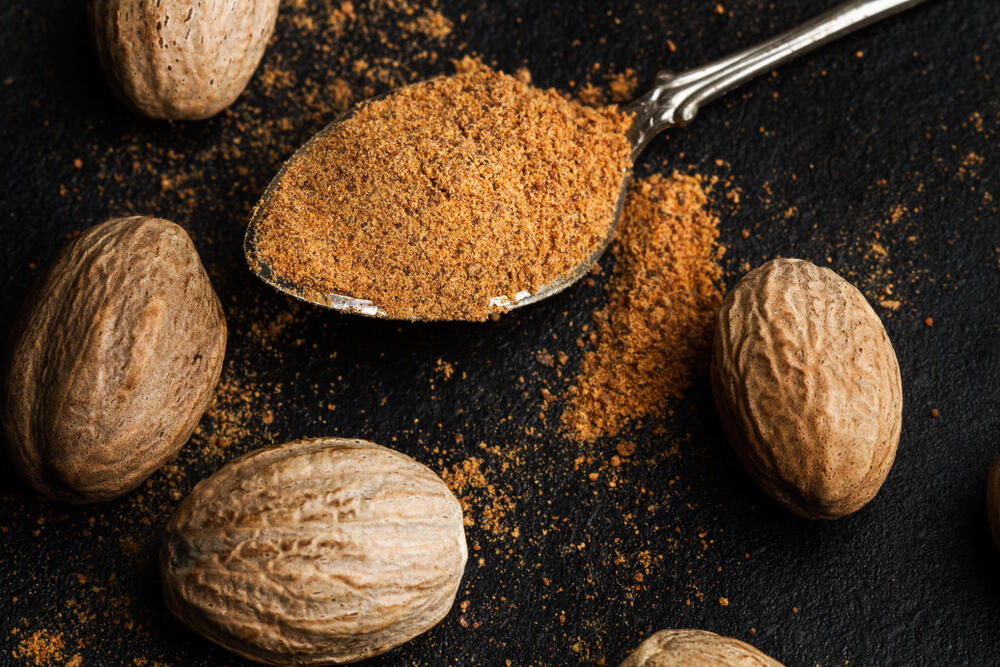
A small pinch (250–500 mg or about 1/16 to 1/8 teaspoon) per day, mixed with honey or warm water. Ideally taken on an empty stomach in the morning.
(Photo: Shuttestock)
As a culinary spice:
Use sparingly in food, typically a pinch or two in cakes, warm beverages, or spiced dishes.
Capsule form:
Follow manufacturer instructions, typically 500 mg to 1 gram (roughly 1/8 to 1/4 teaspoon) per day.
Topical use:
Nutmeg oil, diluted with a carrier oil, may be applied for gum treatments or as an ointment for muscle and joint pain.
Caution
* Consuming more than 5 grams (just under 2 teaspoons) of nutmeg powder can lead to serious toxicity, including hallucinations, seizures and even death.
* Nutmeg should not be used by children, pregnant or breastfeeding women as it may cause miscarriage or birth defects.
* Those diagnosed with mental health conditions should avoid it, as it can intensify the effects of sedatives and antidepressants. It is also not recommended for individuals with heart or kidney disease.
* Discontinue use immediately if you experience itching, rash, or difficulty breathing.
Note: When taking herbal supplements, consult your healthcare provider to ensure they do not interact with medications or affect medical conditions.
The author is a clinical dietitian and herbal medicine practitioner.