

It may sound like the start of a joke, though not a very good one: what do a religious settler from the West Bank and a secular gay couple from central Israel have in common? A baby boy. In Israel’s surreal reality, it is no joke but a touching story of fear and hope, sacrifice and new life.
Noy Gnachovsky, 32, is now on maternity leave after serving as a surrogate for a gay couple. “It’s an incredible feeling of fulfillment, real satisfaction,” she says.
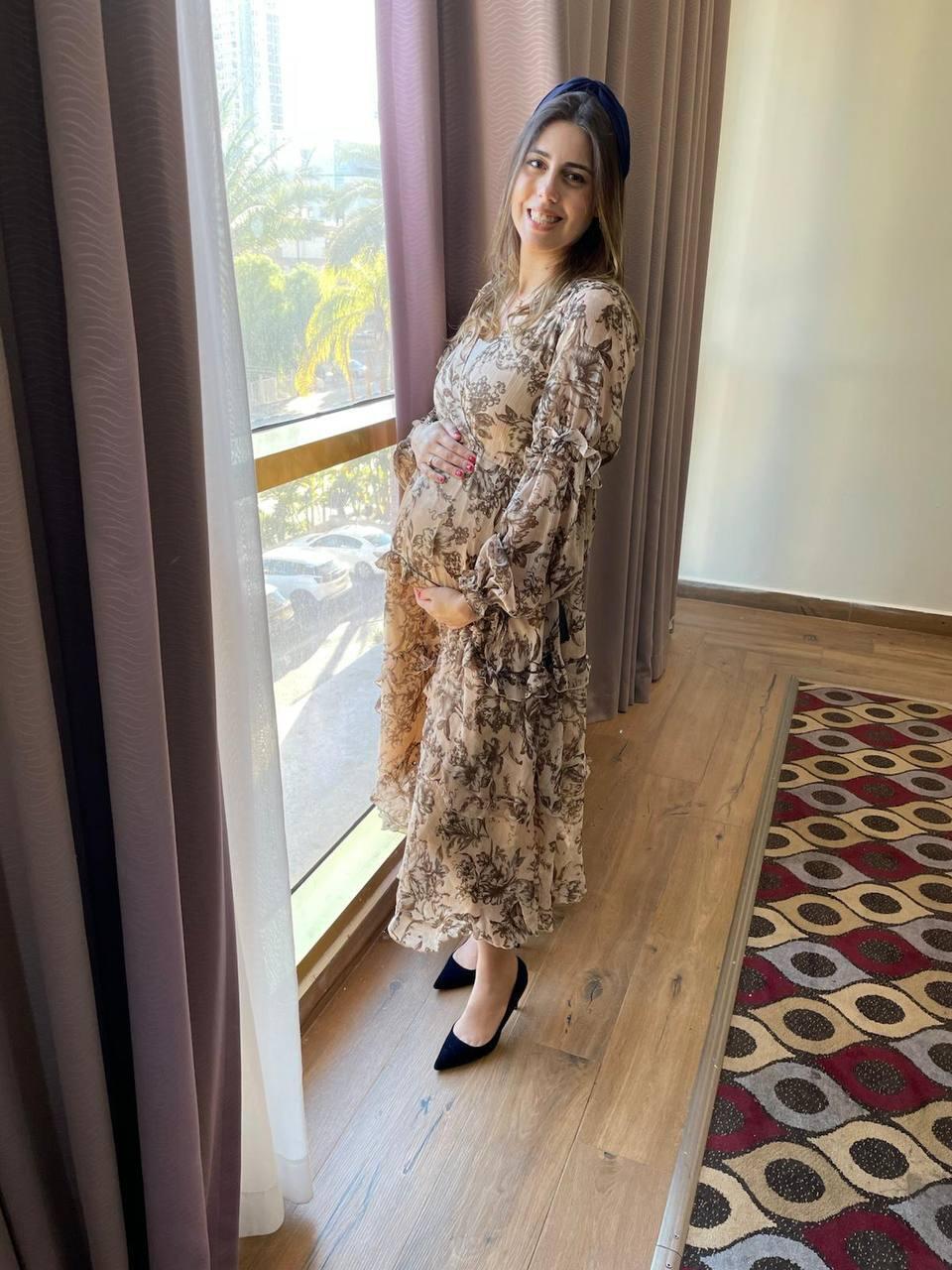
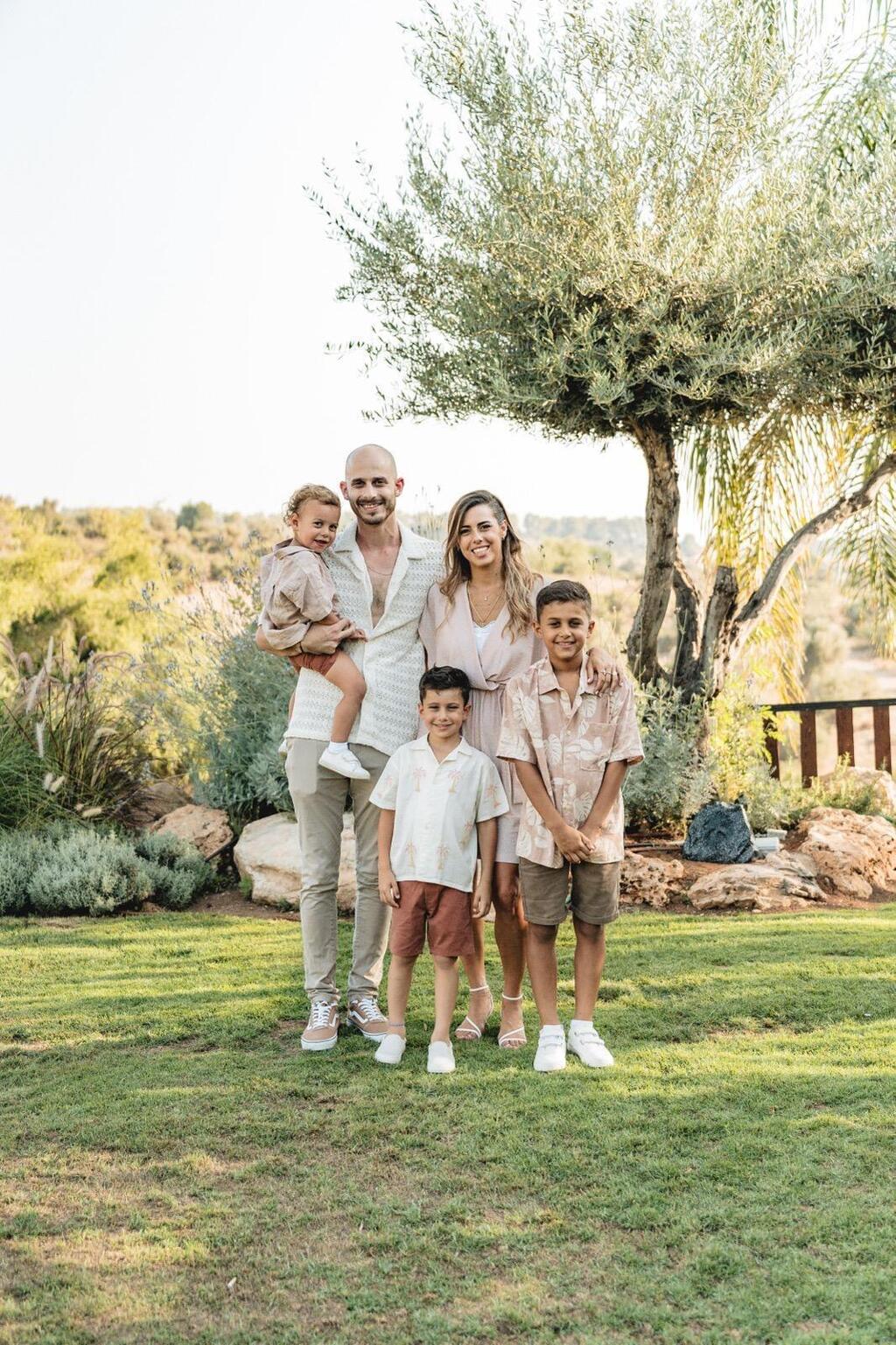
Gnachovsky always knew she wanted to be a surrogate. She felt it was her mission in life: to give a child to those who otherwise could not become parents. She married at 20, gave birth at 21, and moved with her husband to Leshem, a religious settlement in the western West Bank.
After her first pregnancy, she wanted to pursue surrogacy. But her husband opposed it, afraid that complications might prevent them from having more children—or worse, that he might lose his wife while she carried someone else’s child. She put the dream aside, had two more sons, and settled into family life.
Then came Oct. 7. Like millions of Israelis, the family awoke to sirens and horrifying news broadcasts. Though gunmen did not reach their area, the national trauma shook them deeply. Her husband concluded he did not want more children in such a terrifying world. Noy felt the opposite: an overwhelming need to bring new life.
“My instinctive answer to all that death was to create life,” she recalls.
Since her husband did not want more children, surrogacy resurfaced as a solution. “He told me, ‘This is the time to fulfill your dream. Get pregnant again, but promise me this will be the last one.’ That’s how I got his blessing.”
Maternity leave without a baby
Almost two years after the October 7 massacre, Gnachovsky delivered a baby boy for a gay couple from central Israel.
It left her on maternity leave without a child of her own. “It’s true, I have two months off now and I’m enjoying every moment. Recovery is much easier when you’re not waking up every two hours to a crying baby. After the birth, I even flew abroad for a week with a friend. It was a gift to myself after the process.”
In late 2023, she answered an ad from Surmom, a surrogacy center. When asked about restrictions, she had only one: “They must be Jewish.”
“The original purpose of surrogacy for me was to help people who otherwise can’t have children. But after October 7, another purpose was born: to help grow the Jewish people. If I did this for a non-Jewish couple, I’d miss the point.”
The fact that her intended parents were two men did not trouble her. “I don’t judge people for how they live. My own sister is part of the community. For years, gay couples in Israel fought to have surrogacy legalized. It seemed unfair to me, so I was glad to help.”
At their first meeting, both sides were surprised. The couple expected a headscarf-wearing settler; she wondered what it would be like to meet two men who had chosen to marry each other. “In the end, they were just regular people, and I fell in love with them immediately,” she says. “It was a perfect match.”
Pregnancy and birth
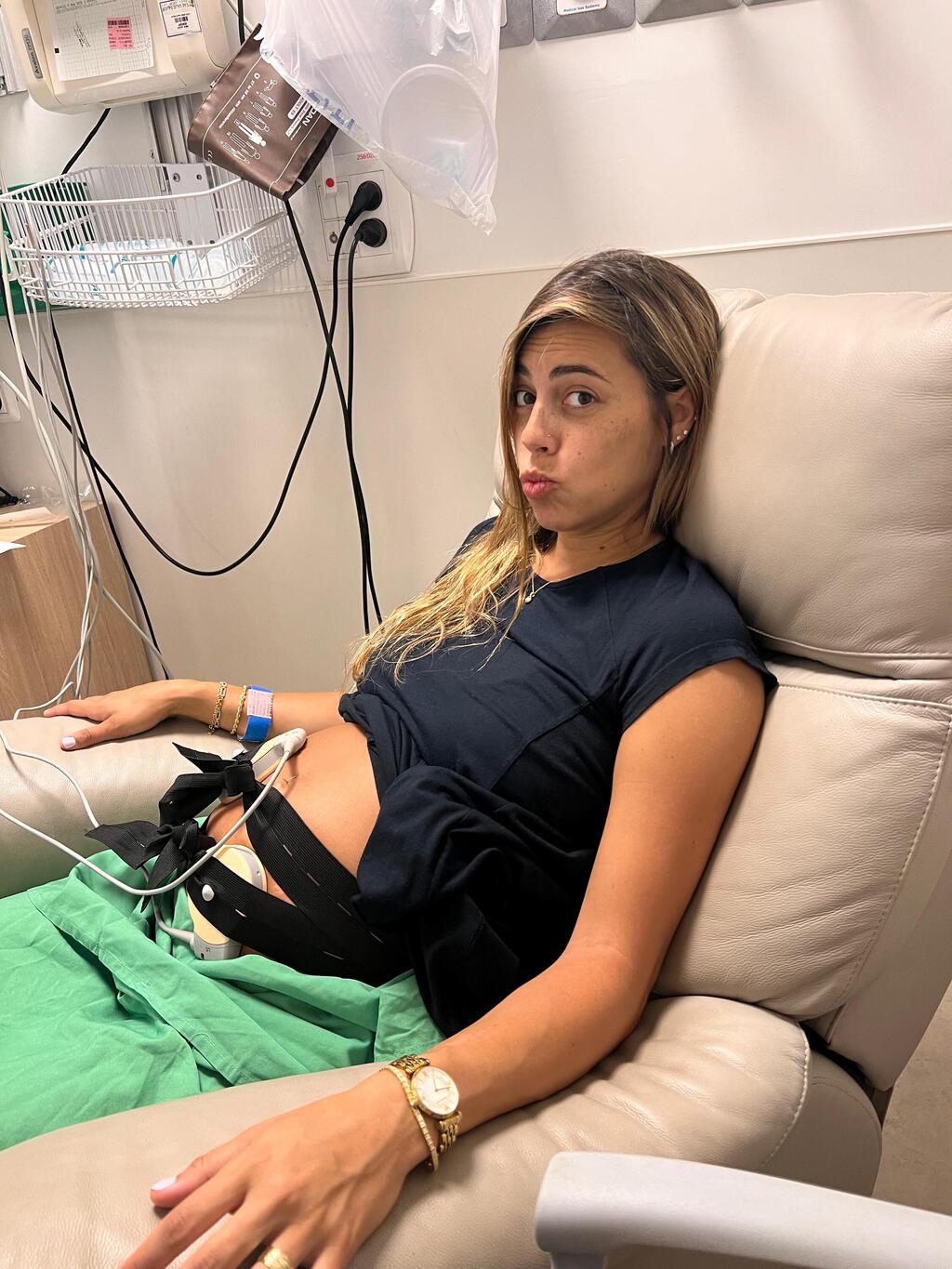
The pregnancy went smoothly. The couple, she says, gave her the space she needed: present but not intrusive. “Of course they were in the delivery room—it was their child. The fact they were two men actually made it easier for me.”
Her husband was also there, and got along with them well. “They share a sense of humor. He even joked during the pregnancy, ‘When are you taking her for two weeks? Deal with the hormones yourselves.’”
She also explained the situation to her own children, telling them on Family Day that “when two dads want to have a baby, a surrogate carries it for them. That’s what I’m doing now.” They understood, she says, and accepted it.
Mixed reactions
Most friends and relatives were supportive, especially women who understood the sacrifice. Others questioned why she chose a gay couple instead of a straight one, but few said it openly. Her grandmothers were initially shocked, asking simply: “Why?”
Financial compensation was not her motivation. “Of course there’s payment, but that wasn’t the reason. For me it was a dream. The money is just a bonus.”
Critics of surrogacy, she says, miss the point: “No one forces a woman into it. In Israel the Health Ministry ensures the surrogate is protected. The woman is in control the whole way.”
Saying goodbye
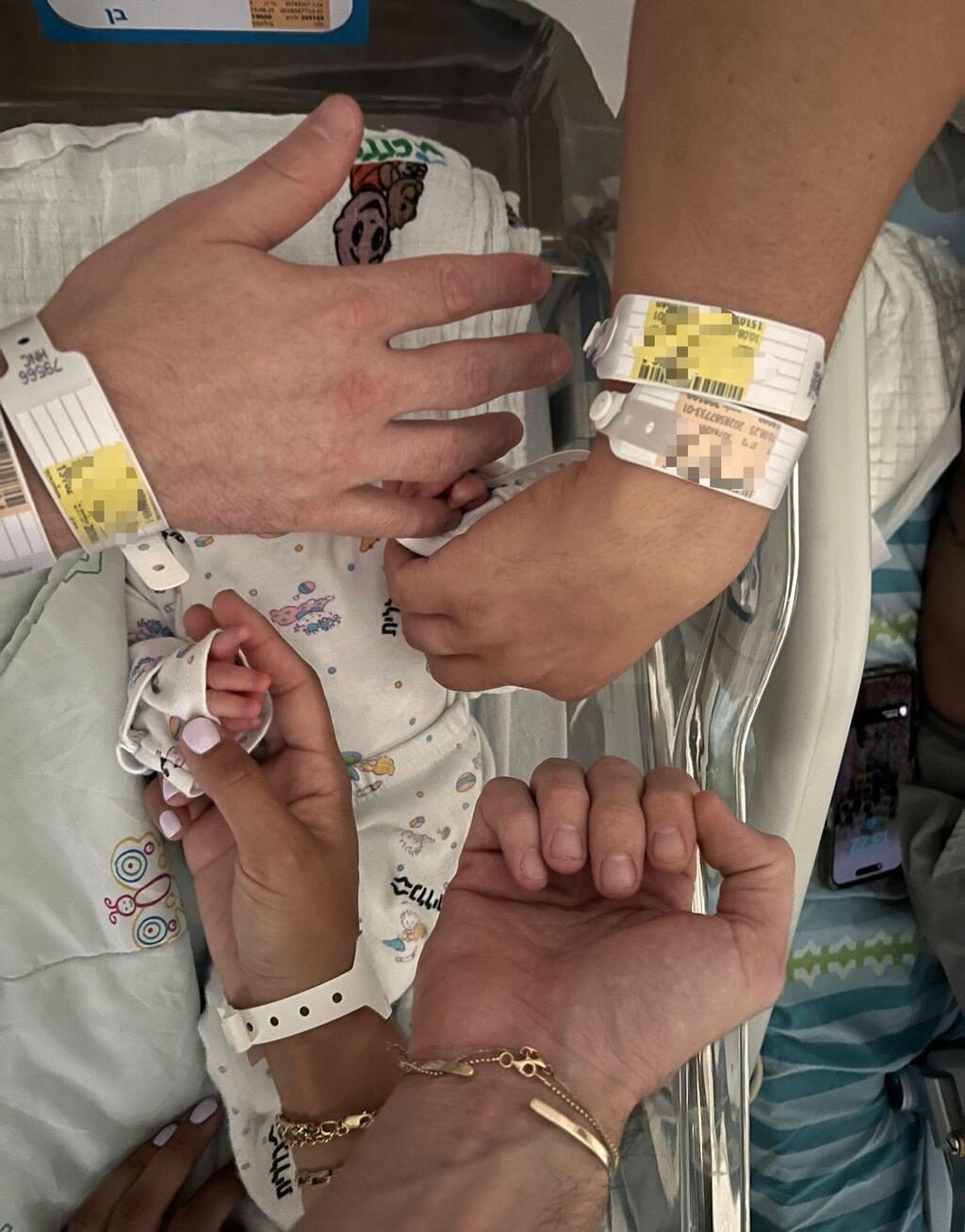
When the baby was born, she handed him directly to his fathers. “There was no dramatic farewell. I left it up to them whether they want me to stay in touch. They sent me one photo afterward, and that’s enough. It’s their decision.”
The process strained her marriage at times. “I put this above everything—my husband, my kids, my job. That was hard on us. But we overcame it.”
Would she do it again? “Not a second time. But if I went back, I would still do it. Otherwise, I’d feel unfulfilled. Surrogacy was a huge dream for me, and I achieved it. To bring life into the world for someone else—that’s the greatest thing you can do.”