

A 61-year-old man in New York died over the weekend after being pulled into an MRI machine by a large metal chain he wore, sparking alarm among those awaiting similar scans.
Dr. Arnon Makori, head of imaging at Assuta Medical Centers, told Ynet the incident was highly unusual. “From what I’ve learned, the companion entered the MRI room without screening during the procedure, which is strictly prohibited,” he said. “This caused physical harm, and sadly, death.”
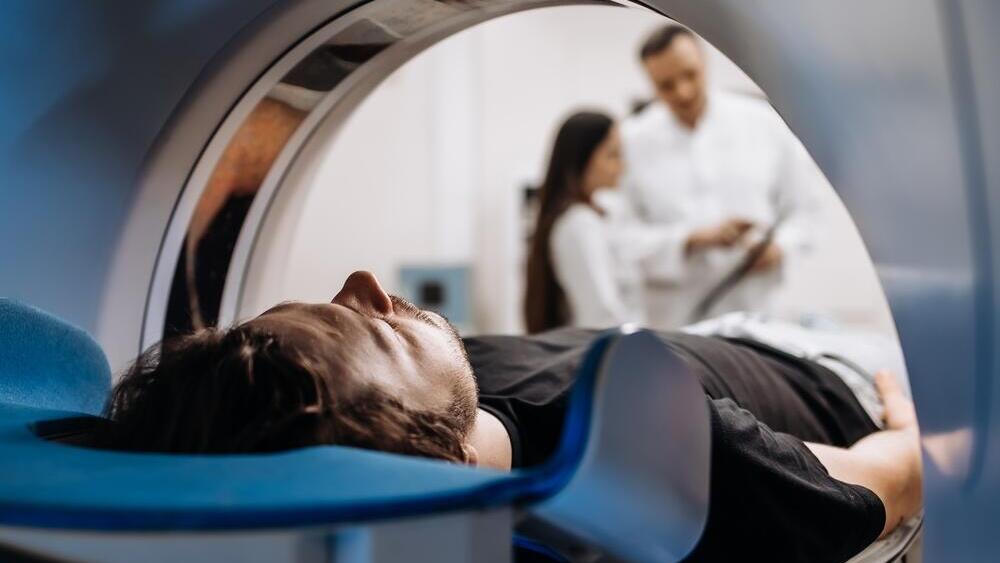
He stressed that MRI scans are safe, used for imaging the brain, spine, abdomen and pelvis, including for pregnant women and children, as they avoid ionizing radiation unlike other imaging methods.
However, the MRI’s powerful magnetic field, 30,000 times stronger than Earth’s, demands strict safety protocols, especially regarding metal objects, implants or pacemakers.
Get the Ynetnews app on your smartphone: Google Play: https://bit.ly/4eJ37pE | Apple App Store: https://bit.ly/3ZL7iNv
Makori emphasized rigorous pre-scan questionnaires to prevent such incidents. “Israel conducts nearly half a million MRI scans annually across about 60 machines,” he said. “This case isn’t representative but safety precautions are critical.”
He likened entering an MRI to airport check-in, with multiple safety zones, including one resembling security screening. Patients must complete questionnaires, remove all jewelry and metal objects and report any implants.
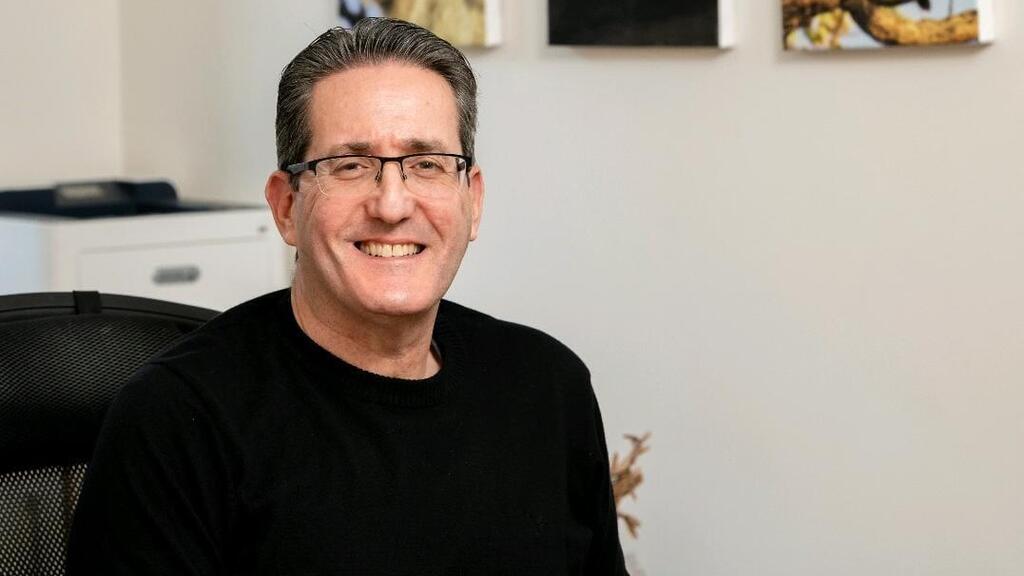
Dr. Arnon Makori
(Photo: Assuta Medical Centers)
He added that clothing should be loose and lightweight, avoiding tight sportswear with metallic fibers, which can heat up during scans. “It’s not dangerous but it can cause discomfort,” Makori clarified. “Patients must stay alert and report any unusual sensations.”
Regarding small jewelry, Makori noted that high-purity gold is non-magnetic but many pieces contain iron, which can be attracted to the magnet. “In this case, a heavy chain pulled him, leading to his death, likely compounded by fear,” he said.
Safety extends to companions, as past incidents involved weapons, like guns, being drawn into the machine. Equipment such as stretchers or oxygen tanks must also be non-magnetic. “There have been cases where people were injured, so we ensure only non-magnetic items enter the MRI area,” Makori said, underscoring the need for stringent adherence to safety protocols.