


Ultra-processed food is no longer limited to the obvious suspects such as chips, candy and soft drinks. The category also includes breakfast cereals, packaged baked goods, ready-made meals, processed meats and many other products.
Previous research has linked high consumption of ultra-processed foods to obesity, type 2 diabetes and cardiovascular disease. Now, a large long-term study has tried to go a step further by asking which specific ingredients commonly found in these foods may be particularly associated with the future risk of depression.
Gallery
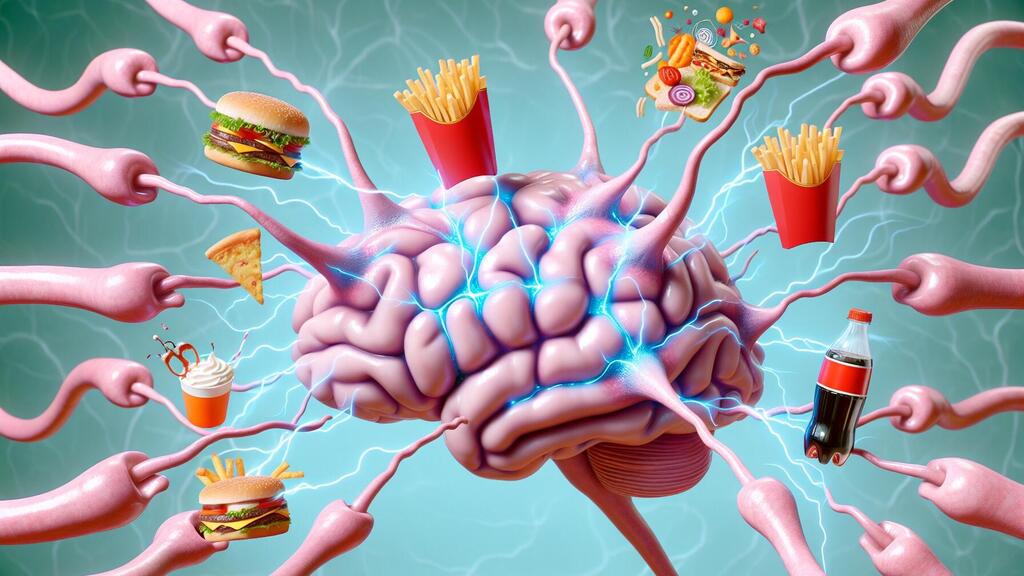
A new study found a dose-dependent link between higher consumption of certain sweeteners and an increased risk of developing depression
(Photo: Shutterstock)
The study, published in the European Journal of Nutrition, found that greater dietary exposure to products likely to contain flavorings, food colorings and sweeteners was associated with a higher risk of developing depression. The association followed a dose-dependent relationship, meaning the risk increased as these products accounted for a larger share of the diet.
Researchers at Justus Liebig University of Giessen in Germany analyzed data from 171,818 participants in the UK Biobank. Their average age was 58.5, and they were followed for an average of 10.7 years. During that period, 5,424 new cases of depression were recorded.
Rather than simply dividing food into ultra-processed and non-ultra-processed categories, the researchers examined 10 broad categories of processing markers and dozens of individual markers, including flavorings, food colorings, sweeteners, flavor enhancers, modified starches, modified oils and other ingredients.
Flavorings, colorings and sweeteners stand out
Only three broad categories showed a consistent association with depression: flavorings, food colorings and sweeteners.
When 40% of a participant’s total food intake came from products likely to contain flavorings, the risk of depression was 46% higher than among those whose intake was around 5%. When products likely to contain food coloring accounted for 20% of total food intake, the risk was 49% higher than at an intake level of 3%. Products likely to contain sweeteners accounting for 20% of the diet were associated with a 45% higher risk of depression compared with people who did not consume such products.
Associations were also seen at lower levels of exposure. Foods likely to contain flavorings making up 20% of the diet were associated with a 12% increase in risk, while a 30% share was associated with a 32% increase. When foods likely to contain coloring made up 10% of the diet, the risk was 13% higher. A similar share of foods likely to contain sweeteners was associated with a 17% increase.

Sweeteners are among the markers most strongly linked to depression risk
(Photo: Shutterstock)
One important caveat is how exposure was measured. The figures do not represent the amount of flavoring, coloring or sweetener actually consumed. Instead, researchers calculated what proportion of each participant’s diet consisted of foods likely to contain each processing marker.
Participants completed online dietary questionnaires about what they had eaten and drunk the previous day. Researchers examined up to 10 commercial products corresponding to each of 238 food and drink items in the questionnaire, using products sold by two major British supermarket chains, Tesco and Sainsbury’s.
Ingredient lists from 2,459 commercial products were analyzed, and each food item was assigned a probability of containing one of 59 predefined processing markers.
Seven sweeteners showed a consistent association
When researchers looked at individual sweeteners, seven of the 10 studied showed a dose-dependent association with depression risk: acesulfame-K, aspartame, erythritol, saccharin, steviol, sucralose and xylitol. Fructose was also associated with a linear increase in depression risk.
The associations involving acesulfame K, aspartame, erythritol, sucralose, xylitol and fructose remained statistically significant in several additional analyses designed to test the robustness of the findings.
Among other measures, researchers excluded people diagnosed with depression within the first two years of follow-up, participants with heart disease or cancer, and those who reported that the day of eating recorded in the questionnaire did not reflect their usual diet.
By contrast, no significant association with depression was found for several other categories, including flavor enhancers, processing aids, modified starches, different forms of sugar and modified oils. Glutamate, emulsifiers and invert sugar were also not associated with depression risk.
That distinction is important because the findings do not support the idea that every food additive, or every ultra-processed product, carries the same risk.
The picture was also more complicated when researchers examined ultra-processed foods as a single category. The lowest modeled risk appeared when ultra-processed foods accounted for about 16% of total food intake. Above that level, risk rose. A 30% share was associated with a 16% higher depression risk, 40% with a 32% increase and 50% with a 41% increase.
The researchers said the pattern may indicate that only certain components of ultra-processed foods, rather than the category as a whole, are associated with the increased risk.

Certain food-industry ingredients may affect the gut-brain axis and mood regulation
(Photo: Shutterstock)
The analysis adjusted for a wide range of factors that could affect the results, including age, sex, body mass index, smoking, alcohol consumption, physical activity, general health, blood pressure, income, education and socioeconomic status.
From ‘processed food’ to specific ingredients
The study proposed several possible explanations for the associations but did not directly test them. Researchers pointed to potential effects of certain ingredients on brain activity and neurotransmitter signaling, as well as indirect pathways involving obesity, metabolic problems and changes in the gut microbiome.
Animal studies have previously found links between diets high in fat and fructose and behaviors resembling depression and anxiety, though such findings do not establish the same effect in humans.
“This study allows us to move away from a broad and vague view of ‘processed food’ and toward a focused examination of specific ingredients,” said Limor Tal Pony, chief dietitian at Maccabi Healthcare Services.
“The identification of flavorings, food colorings and sweeteners as markers showing a dose-dependent association with depression is consistent with what we have been seeing in recent years regarding the gut-brain axis,” she said. “These artificial additives may disrupt the composition of the microbiome, increase intestinal permeability and trigger inflammatory processes that directly affect neural signaling and mood regulation.”
Tal Pony said one proposed mechanism is that certain sweeteners alter the gut microbiota and reduce the production of short-chain fatty acids, which could promote inflammation and interfere with the signaling of key neurotransmitters such as serotonin and dopamine.
 Limor Tal PonyPhoto: Maccabi Healthcare Services
She also pointed to a previous cohort study published in JAMA Network Open that separated ultra-processed foods (UPF) into different groups. “That study also found that only artificial sweeteners and artificially sweetened beverages were significantly associated with increased depression risk,” she said. “Other processed foods, including sugar-sweetened beverages, snacks, desserts and processed meats, did not show a significant association after adjustment for confounding variables.”
What the gut may have to do with mood
Dr. Itzhak Dangoor, a psychiatrist at Leumit Health Services, director of research and innovation at Abarbanel Mental Health Center and chief psychiatrist of the E-Zone Group, stressed the distinction between statistical association and causation.
“At the high consumption levels examined, a significant association was found, and it remained after adjustment for BMI and other variables,” he said. “However, this is an increase in relative risk and an association only. The study cannot establish that sweeteners, food colorings or flavorings cause depression.”
 Dr. Itzhak Dangoor
Photo: Private
Dr. Itzhak Dangoor
Photo: PrivateDr. Dangoor said there is scientific evidence linking the gut microbiome to mental illness, but knowledge of the relationship remains limited. “We see changes and patterns in the microbiome of people with depression, but no particular bacterium has been definitively linked to the disease. There is still no ‘depression bacterium,’” he said. “At the same time, we know that sweeteners may affect the composition of the microbiome.”
The relationship may also work in both directions, he said. “Depression changes eating habits, and those changes may affect the microbiome. Conversely, changes in the microbiome may also be associated with mental state,” Dr. Dangoor said. “It may be a feedback loop rather than a one-way process.”
A healthier diet can play a role in treating depression, he added, but should not be viewed as a substitute for professional care. “Studies show that improving diet quality, particularly through a Mediterranean diet, may reduce symptoms of depression,” he said. “Diet can be part of the overall treatment framework, alongside sleep and physical activity, but it is not the entire treatment. For moderate or severe depression, professional treatment is an integral part of care and has no complete substitute.”
Tal Pony likewise emphasized the possibility of reverse causation. “It is important to remember that this is an observational study that does not prove direct causality,” she said. “It is difficult to rule out reverse causation, because low mood, fatigue or depressive symptoms may lead people to turn to processed, convenient and sweet foods as a form of emotional regulation.”
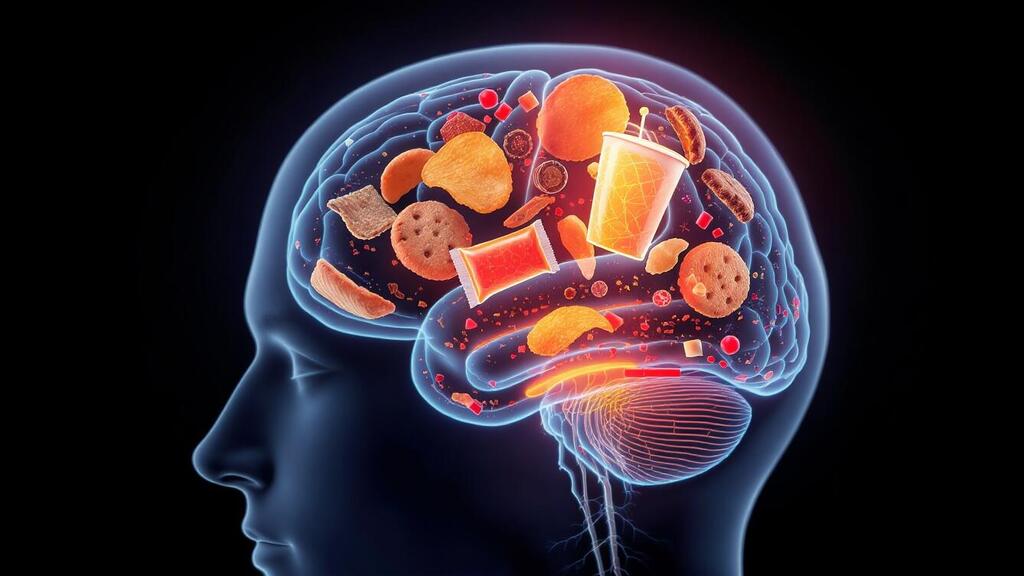
Seven specific sweeteners and fructose stood out in the analysis for their consistent association with increased depression risk
(Photo: Shutterstock)
The study has other limitations. Dietary information was self-reported, and exposure to ingredients was not measured directly. Instead, researchers estimated it based on the likelihood that particular ingredients were present in products sold in Britain. UK Biobank participants also do not necessarily represent the general population.
What can you do in practice?
Tal Pony recommends several relatively simple steps aimed at supporting the gut-brain axis, keeping blood sugar more stable and reducing unnecessary exposure to industrial additives.
Read ingredient lists: When buying packaged food, favor products with shorter ingredient lists in which most ingredients are recognizable foods commonly found in a home kitchen. Products containing long lists of unfamiliar substances, sweeteners or synthetic food colorings should be consumed less frequently.
Choose whole foods more often: Favor foods rich in fiber, antioxidants and high-quality protein, including vegetables, fruit, legumes, whole grains, nuts and fish.
Make gradual changes: Reduce diet drinks, sweetened beverages and heavily processed foods while choosing water, herbal tea and simple home-cooked meals more often. The goal, Tal Pony said, should be a balanced approach rather than dietary extremes.
Despite its limitations, the large, long-term study helps narrow the question surrounding ultra-processed foods by suggesting that certain ingredients, rather than the category as a whole, may be more relevant to depression risk.
Whether reducing exposure to those specific additives can actually lower that risk remains unknown and will require controlled human intervention studies.