

Honey is widely considered a healthy food, rich in antioxidants, containing small amounts of vitamins and minerals, and known for its ability to strengthen the immune system and ease symptoms like sore throats and coughs. But many people unknowingly lose those health benefits through everyday mistakes.
The first misstep often begins at the supermarket. Most commercially available honey is heat-treated during processing to give it a clear, uniform appearance. However, this heating process significantly reduces the levels of antioxidants and active enzymes.
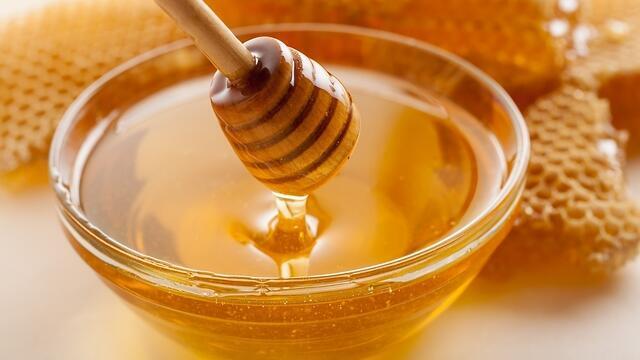
Honey. Best to choose varieties that are not heated
(Photo: Shutterstock)
To retain honey's natural qualities, it's best to choose varieties that have not been heated. These typically have a thicker, crystallized texture, an indicator that the beneficial compounds are still intact.
The second mistake happens at home. When dealing with a sore throat, many people instinctively stir a spoonful of honey into a steaming cup of tea. But exposing honey to high heat compromises many of its nutritional properties. The result: you get the sweetness, but miss out on much of the health value.
How to get the most out of honey
To preserve honey’s health benefits, it’s best to wait until your tea has cooled slightly to a drinkable temperature before stirring in a spoonful. This way, you can enjoy the flavor without compromising its active compounds. The same principle applies to baking and cooking; exposing honey to high heat diminishes its nutritional value.
As with many things, moderation is key. Honey can be a valuable part of a balanced diet: it provides quick energy, natural antioxidants, and compounds that may support the immune system. Still, it is a concentrated sugar, and consuming too much can lead to weight gain and long-term health issues.
It’s also important to note that honey should never be given to infants under 1 year old, as their digestive systems are not fully developed and they are at risk for a rare but serious infection. Like other sweet foods, honey can also contribute to tooth decay, so good oral hygiene is essential.
The best way to enjoy honey is in moderate amounts, enough to savor its unique taste and potential health benefits, without upsetting your nutritional balance.
- The author is a clinical dietitian with Maccabi Healthcare Services, Southern District.