

Well-groomed nails have become a regular part of the beauty routine for many women. Gel polish, regular manicures and polished nails are everywhere, from social media feeds to lifestyle magazines and the daily habits of millions of women around the world.
In recent years, much of the discussion around gel nail polish has focused on allergic reactions to certain ingredients, the effects of UV and LED lamps and possible damage to the nail structure.
Now, a 2025 study published in the scientific journal Scientific Reports is drawing attention to another issue that receives less attention: the possible link between frequent nail cosmetic treatments, nail trauma and fungal nail infections.
Gallery
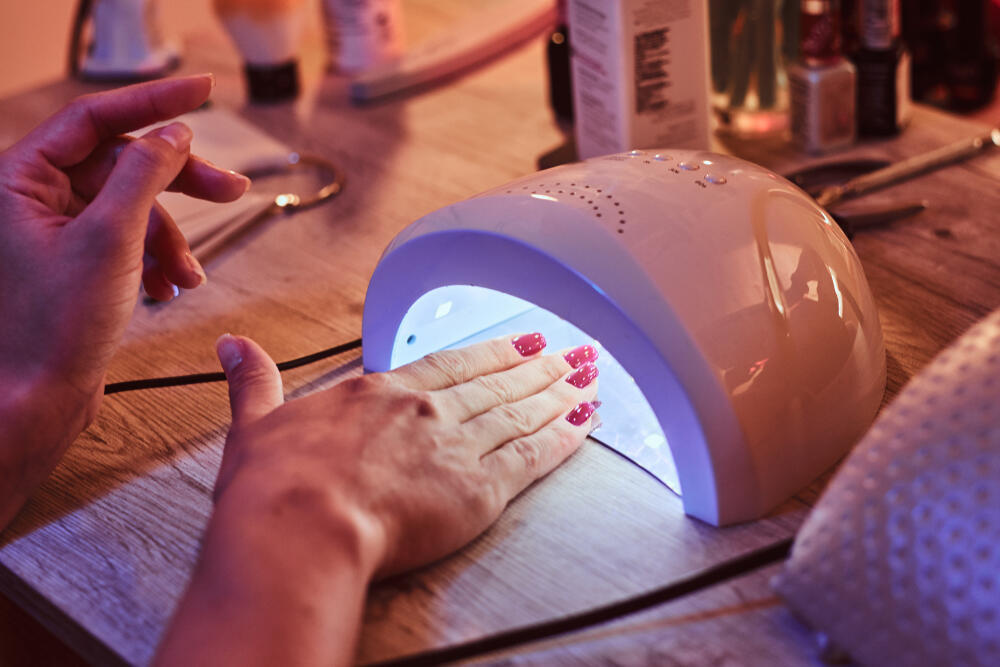
Nail fungus may begin with subtle changes that are easy to mistake for ordinary cosmetic damage
(Photo: Shutterstock)
The study looked at 273 women who regularly used nail polish, gel polish and manicure treatments, and found a link between frequent use of nail cosmetics, repeated trauma to the nail and onychomycosis, commonly known as nail fungus. Women who reported routine use of these products, along with recurring nail injuries, were more likely to suffer fungal nail infections.
The researchers did not conclude that gel polish directly causes nail fungus. The link is more complex. They noted, however, that repeated damage to the nail structure may make it easier for fungi and other microorganisms to enter beneath the nail plate, where an infection can develop gradually and without obvious early symptoms.
The findings suggest that the concern is not necessarily the polish itself, but the cumulative strain placed on the nail over time. Repeated filing, aggressive polish removal, cuticle damage and the mechanical stress that can occur during manicures and pedicures may weaken the nail’s natural protective layer.
 Dr. Alina LozinskiPhoto: PR
Once that natural layer is compromised, fungi and other microorganisms may find it easier to enter the nail and settle there. That is why dermatologists recommend taking any change in the appearance of the nail seriously, rather than assuming it is always temporary cosmetic damage.
The early signs that are easy to miss
This is where the problem often begins: in its early stages, nail fungus does not always look like a fungal infection. In many cases, it starts with a slight change in color, a small stain or a change in nail texture, signs that many women attribute to gel polish, filing or ordinary cosmetic damage. As a result, some continue covering the nail with additional layers of polish while a fungal infection may be developing underneath.
Signs that may suggest nail fungus include a white or yellowish spot, a rougher texture, splitting or breakage of the nail, thickening and changes in the nail’s shape or surface.
Another myth worth dispelling is that nail fungus is necessarily linked to poor hygiene. In reality, women who are meticulous about personal care and maintain a regular manicure routine can also develop nail fungus, especially if the nail has been weakened or if the tools used during treatment are not fully sterilized.
Even with good hygiene, many everyday situations may increase the risk, including swimming pools, gyms, closed shoes and excessive sweating, all of which are especially common during the summer months.
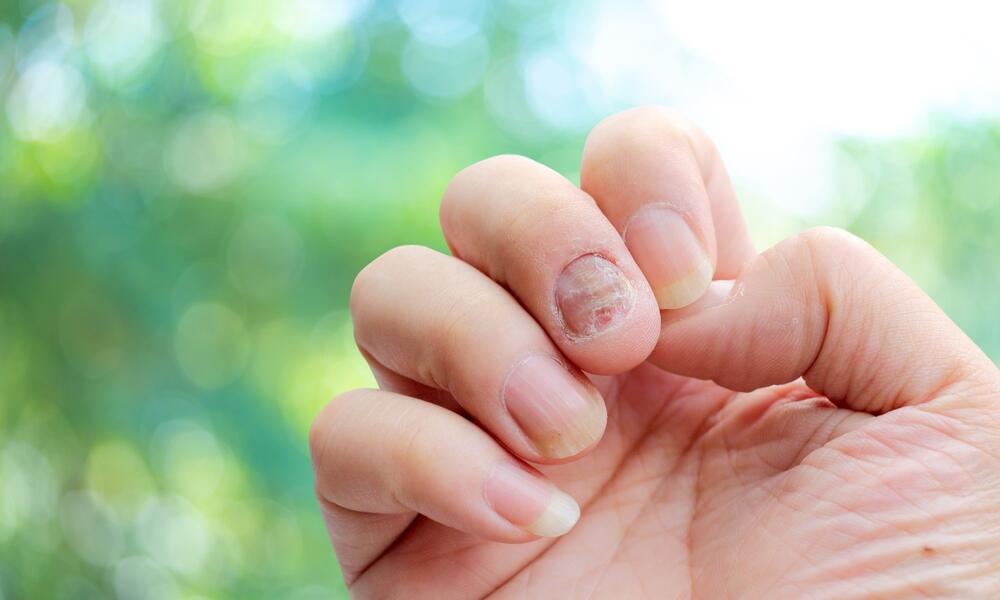
Repeated filing and aggressive polish removal may damage the nail’s natural protective layer
(Photo: Shutterstock)
Nail fungus is treatable
Does this mean women should give up gel polish? Not at all. That is not the takeaway from the study. The message from researchers and dermatologists is not to stop using gel polish, but to pay closer attention to nail health.
It is recommended to give nails rest periods between treatments, avoid aggressive polish removal, and pay attention to any changes in nail color, texture, or shape.
When signs appear and do not go away, it is important not to simply cover the nail with another layer of polish, but to check what is really happening beneath the surface.
If a fungal infection has already developed, there are various treatment options, depending on the severity of the condition and how much of the nail is involved. These range from topical preparations to oral medications in more complex cases.
Dermatologists emphasize that “home remedies” and improvised solutions usually do not solve the problem, mainly because the fungus is located under the nail and not only on the surface.

Alongside aesthetics, it is important to pay attention to nail health and changes in their appearance
(Photo: Shutterstock)
Some topical treatments are aimed not only at treating the infection, but also at gradually improving the appearance of the affected nail. One familiar product in this category is Emtrix, designed for daily home use and relatively easy to fit into a regular care routine.
The bottom line is that the trend of perfect nails is probably not going anywhere, and there is no reason it should. But the new study is a reminder that alongside aesthetics, nail health deserves attention too. Sometimes, beneath a glossy layer of polish, the first sign that something is wrong may be hiding.
In my experience, many women pay attention to their nails mainly when thinking about how they look. But nails can also tell us quite a bit about their health. Ultimately, healthy nails are the basis of every successful manicure.
Dr. Alina Lozinski is a dermatologist and senior physician in the dermatology department at Sheba Medical Center, Tel Hashomer.