

Maccabi, Israel’s second-largest health maintenance organization, reported record levels of post-traumatic stress diagnoses and mounting mental health concerns in its annual health index, reflecting the continued impact of prolonged conflict alongside shifting lifestyle and medical trends.
The report indicates that about 9,000 post-traumatic stress diagnoses were recorded among its members in the past year, a figure comparable to 2024 and marking an increase of nearly 30% from 2023 and about 40% from 2022. The data were published on Wednesday in the Israel Health Index 2025, based on objective medical records from Maccabi’s databases and member survey responses.
Gallery
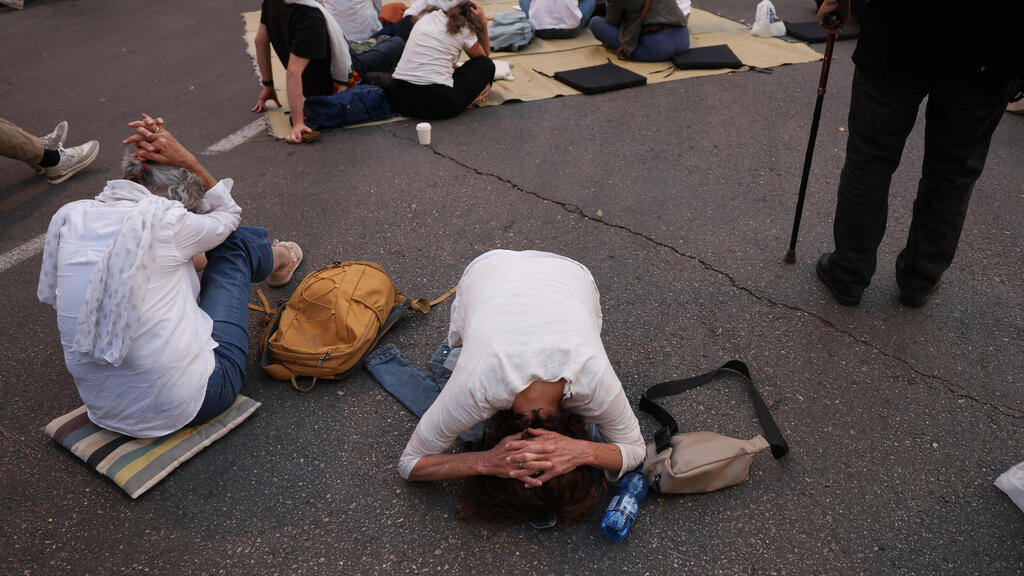
A siren in Jerusalem during a missile launch from Yemen, Archive
(Photo: Reuters/Ronen Zvulun)
Survey responses from IDF soldiers serving in compulsory and career service during the past year painted what the organization described as a troubling picture. Among respondents, 39% reported needing mental health support, 26% expressed concern about depression and 48% said they suffer from insomnia. The survey also found that 17% of the general public rated their mental health as fair or poor, still higher than before the war, when the figure stood at 13%. Nearly one in three Israelis, or 32%, said they feel they need professional mental health assistance.
Despite nearly two years of sustained fighting, 62% of Israelis described their overall health as very good or excellent.
The index also pointed to major shifts in weight loss treatment. More than 100,000 Maccabi members purchased hundreds of thousands of doses of the weight loss injections Wegovy and Mounjaro during the past year, while the number of gastric bypass and other bariatric surgeries fell 17% compared with the previous year.

(Photo: Shutterstock)
Of those who did undergo bariatric surgery, about 45% were between the ages of 35 and 54, 40% were between 18 and 34 and roughly 15% were between 55 and 64. Women accounted for 72% of the procedures, compared with 28% for men.
Nearly half of the public, 47%, reported maintaining a largely or very largely healthy lifestyle, an increase of about 15% compared with the prewar period among those surveyed. At the same time, sedentary behavior remains widespread. Israelis sit for an average of more than eight hours a day, with one in five sitting for more than 11 hours daily. About one-third of Israelis reported no aerobic physical activity, compared with 40% who said they do engage in such exercise. Smoking habits also worsened. Among smokers, 30% said they increased their tobacco use compared with a year earlier.
Data from Maccabi’s pharmacy network showed that about 65,000 packages of nonprescription calming and sleep-aid medications were purchased over the past year by roughly 27,000 members. The figures are similar to those seen in 2023 and 2024, following a sharp 14% increase in purchasers in 2023 compared with 2022.

(Photo: Shutterstock)
Winter illnesses rose 7% in the 2024–2025 season compared with the previous winter. The most common diagnosis in 2025 among both family physicians and pediatricians was upper respiratory tract infection. Among family doctors, the next most common complaints were abdominal pain, cough and lower back pain. Among pediatricians, they were sore throat, abdominal pain and fever.
Births recorded among Maccabi members declined 4% over the past year compared with 2024 and were similar to levels seen in 2023, raising questions about whether a wartime baby boom is fading. In preventive medicine, breast cancer screening rates remained stable, with 77.5% of the target population undergoing screening this year, in line with previous years. Cervical cancer screening rose slightly, increasing by 2%.
Maccabi Chief Executive Sigal Dadon Levi said that “in a period of change and uncertainty, the ability to see broad trends and understand emerging needs is critical. The index is intended to serve as a working tool for everyone involved in the health system.”
 Sigal Dadon LeviPhoto: Ofer Hajayov
Dr. Eran Rotem, deputy chief executive and head of Maccabi’s health division, said the data provide “a foundation for understanding the challenges the health system will need to address in the coming years.” Shir Cohen, vice president for communications and government relations at Maccabi, said the index lays “a strategic information infrastructure that will help shape policy adapted to a changing reality, while raising public awareness of the importance of preventive medicine and adopting a healthy lifestyle.”