


The weekend has arrived, bringing with it the perfect chance to turn off the alarm clock, roll over and gain another hour or two in bed after a week of errands and too little sleep. For those who can afford that luxury, sleeping longer on weekends is considered a common way to make up for sleep debt accumulated during the week. But does it also work in reverse? Can you “bank” sleep before a busy period to reduce in advance the damage caused by sleepless nights?
Surprisingly, the concept of “sleep banking,” sleeping longer for several consecutive nights before a period in which less sleep is expected, may be an effective strategy, at least according to studies conducted in recent years. Researchers who support this approach say extra sleep in advance allows the brain to accumulate essential resources that help maintain alertness and better cognitive function when sleep deprivation begins.
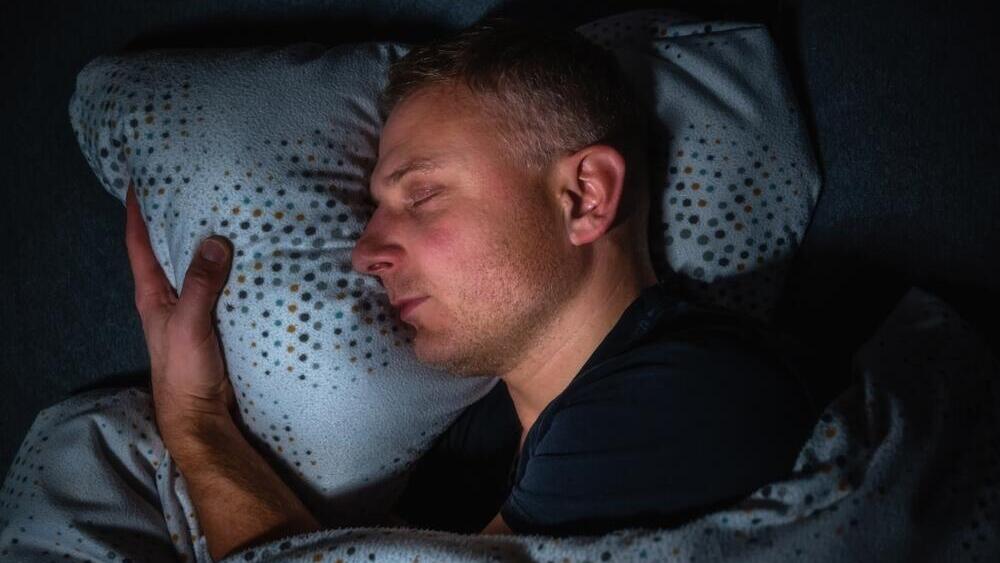
The idea is also gaining traction in the wellness community on social media, especially, of course, on TikTok, where users recommend “banking sleep” before long flights, intense work events or especially busy periods, as a kind of mental safety net meant to improve performance and reduce damage to concentration. But does it really work?
The analogy is simple: Just as padding a bank account can help avoid overdraft when expenses begin to pile up, the same principle applies here. The idea is that extra sleep should slow the decline in function once you begin “withdrawing” from it. Sounds logical, right? The concept was first introduced in 2009 by sleep researchers at the Walter Reed Army Institute of Research in the United States, who were looking for ways to improve alertness among soldiers before military missions. The lead researcher was Dr. Tracy Rupp, now at Utah State University.
The study included 24 military personnel divided into two groups: one slept seven hours a night, while the other was allowed to sleep 10 hours. The following week, all participants’ sleep was limited to just three hours a night before they all returned to eight hours of sleep. The results were striking: The group that slept three extra hours in advance showed a milder decline in alertness and ability to sustain attention during the sleep-deprivation period. The soldiers in that group also returned to their baseline level of function more quickly than those who had not “banked” sleep beforehand.
But that was only the first sign. Years of follow-up studies, conducted under different conditions and among different populations, strengthened the understanding that extra sleep before a demanding period may serve as a kind of mental and physical preventive measure, at least in the short term, against the unavoidable effects of sleepless nights.
A 2023 study of doctors at a Miami hospital found that “banking” about 90 additional minutes of sleep for three consecutive nights led to improved performance during two subsequent weeks of night shifts. Other studies suggested the strategy may also benefit athletic performance.

Banking 90 minutes of sleep led to improved performance
(Photo: Shutterstock)
For example, “sleep banking” was found to be a common tactic among sailing competitors and to reduce the effect of sleep deprivation on the number of errors and reaction times during short sailing races. Professional rugby players who extended their sleep to 10 hours a night for three weeks experienced a decline in measures of physical strain, while one week of nine hours of sleep a night improved serve accuracy among tennis players. Basketball players who extended their sleep time over five to seven weeks also showed improved shooting accuracy and were able to run faster.
Rupp and her colleagues therefore believe that “sleep banking” may work by giving the brain additional time to clear neural waste and replenish glycogen stores — an essential energy source the brain relies on when blood glucose levels drop. In that way, they say, the brain is better prepared to cope with periods of sleep deprivation, such as a long flight, an intensive exam period or working late into the night.
Why do we sleep at all?
Still, do not rush to bed earlier just yet. Despite the encouraging data, the idea of “sleep banking” remains controversial. Not all researchers agree that sleep can truly be “deposited” with the intention of withdrawing it later. They argue that it is difficult to determine whether the body is actually storing sleep hours for future use, or whether people are simply catching up on a sleep debt or a physiological need that already existed.
One scientific review that examined evidence for the effectiveness of sleep banking among shift workers pointed to a risk of methodological bias in some studies. The authors emphasized that the existing data do not conclusively prove that the improved performance stems directly from extending sleep in advance. At the heart of the debate lies a much more fundamental question: Why does the body need sleep in the first place?
“There are many theories about why we sleep,” says Prof. Peter Polos, a sleep medicine specialist. “There are metabolic, hormonal, neurological and cognitive processes that occur during sleep. At least when it comes to the brain, this is a time when it organizes thoughts, sorts information and prioritizes important ‘files.’”

We need sleep to renew energy
(Photo: Shutterstock)
Physiologically, sleep is essential for the proper function of the trillions of cells in our bodies. “Every cell in the body needs healthy sleep to renew energy and carry out repair. During the day, various waste products accumulate in the body and brain. During sleep, the brain washes them out and clears them,” says neurologist Prof. Michael Howell, adding that most adults function best after seven to nine hours of sleep a night. “The person who can get by on only four or five hours of sleep is very rare.”
That is exactly why significant sleep deprivation can be so damaging. “We can all cope with losing an hour here and there, usually without real consequences,” Polos adds. “The problem starts when it becomes chronic. The effects accumulate over time and include reduced performance at work or in social interactions, impaired motivation and cognitive problems — a feeling of slowed thinking.”
When the brain does not get enough recovery time, it struggles to clear waste products, which can impair concentration and information intake the next day, Howell says. “If you are trying to learn a new language, play a musical instrument or acquire an athletic skill, it will be harder for you to maintain attention and absorb the information,” he says. “But beyond that, there will also be impairment in the ability to encode that information for long-term storage and use.”
For precisely these reasons, Prof. Elizabeth Klerman, a neurologist at Massachusetts General Hospital and Harvard Medical School, rejects the idea that sleep hours can be accumulated for later use. “To prove that a sleep bank really exists, you would have to show that a person can sleep even when they are not tired, and there is no evidence for that,” she says, noting experiments in which subjects were given the opportunity to spend more time in bed but simply could not sleep more. That is why, she says, sleep is much more like a credit card than a savings account. “In other words, you can accumulate debt, but you cannot accumulate a surplus,” she says.
Klerman is also concerned about the public message: If people believe they can “bank” sleep in advance, they may think it is acceptable to give up sleep later, as long as they slept well beforehand. “In that situation, they are depriving themselves in the present of something basic and essential for their health and well-being,” she says. Still, she does support catching up on sleep debt, while warning against afternoon naps longer than 45 minutes, which can cause the heaviness and grogginess that follow waking from deep sleep.
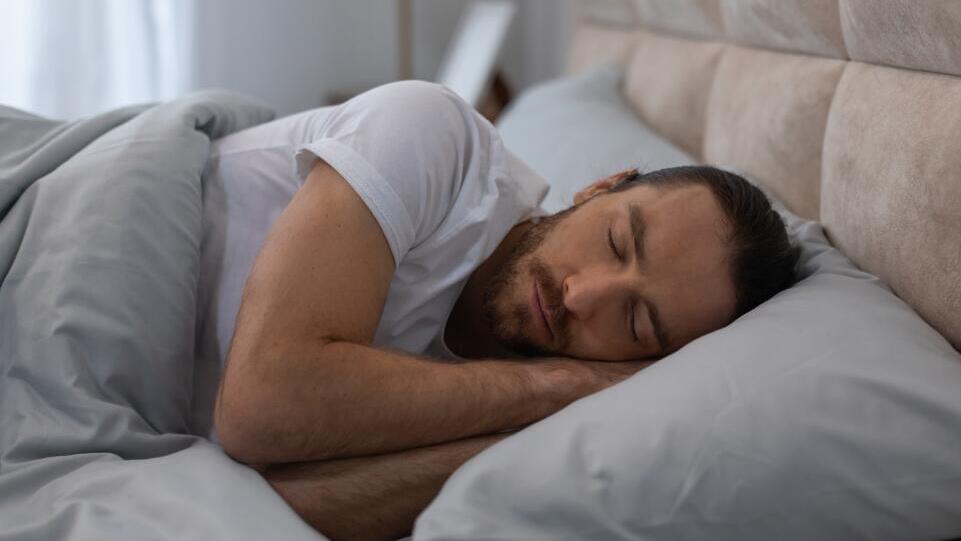
‘You can accumulate debt, but you cannot accumulate a surplus’
(Photo: Shutterstock)
For those who still want to try accumulating sleep in advance, Howell offers precise guidelines. “I would recommend allowing yourself another 30 to 60 minutes of sleep, if possible, for one to two weeks before the period in which you expect sleep deprivation. In general, it is easier for people to sleep later than to fall asleep earlier — though that is not true for everyone.”
Polos, by contrast, believes that for some people, moving bedtime earlier may be a better strategy. “If your body is used to waking up at 6 a.m., even if you set the alarm for 7, you may still wake up at 6.” And what about a daytime nap? “A nap is a very effective way to deposit into the sleep account, if you plan to withdraw from it later,” Howell says — as long as it does not interfere with nighttime sleep.
Either way, whether it is “sleep banking” for the future or repaying accumulated debt, an additional half-hour of sleep a night appears likely to benefit most people. The exception, Howell notes, is someone who regularly needs more than 12 hours of sleep a night, which could indicate an underlying medical problem.
Still, Polos says that even if sleep banking does provide some advantage, it should not be seen as a long-term solution. “Do not rely on it as the answer to all your sleep problems or to all the demands that work or society places on you,” he says. “Try to maintain regular sleep and wake times and make sure you get enough good-quality sleep.”
‘Sleep is not food; you cannot oversleep’
While some studies around the world point to certain benefits from longer sleep before demanding periods, Israeli experts are taking a more cautious, even critical, position. Dr. Amit Green, a psychologist and sleep medicine specialist at Assuta Medical Centers, sides with Klerman and rejects the idea that people can truly “bank” sleep hours for future use, saying the metaphor is misleading.
“The simple answer is no,” he says. “We do not have some reservoir or storage room where we can store extra sleep hours. Also, you cannot sleep extra hours.”
According to Green, the sleep mechanism works in a simple and clear way. “If you wake up in the morning with an alarm clock, you are probably somewhat sleep deprived, because naturally you would probably have woken up later. And if you wake up spontaneously in the morning and get up without an alarm clock, you can treat that as though your sleep supply has been filled, or your need for sleep has been met. That’s it. Your night is over.”
To illustrate the difference, he compares sleep to food consumption. “If you eat too much, the extra calories become fat tissue, and if you enter a calorie deficit, the body breaks down the fat and uses it. No such thing exists with sleep. Let’s say I need seven hours a night and I sleep eight or nine. That does not mean I have stored that extra hour or two somewhere in the brain to use later. When the need for sleep is met, we wake up. It is very simple. If you got up with an alarm clock, it means you got up too early. And once you wake up, your eyes open and you feel alert, that means the night is over and morning has arrived.”
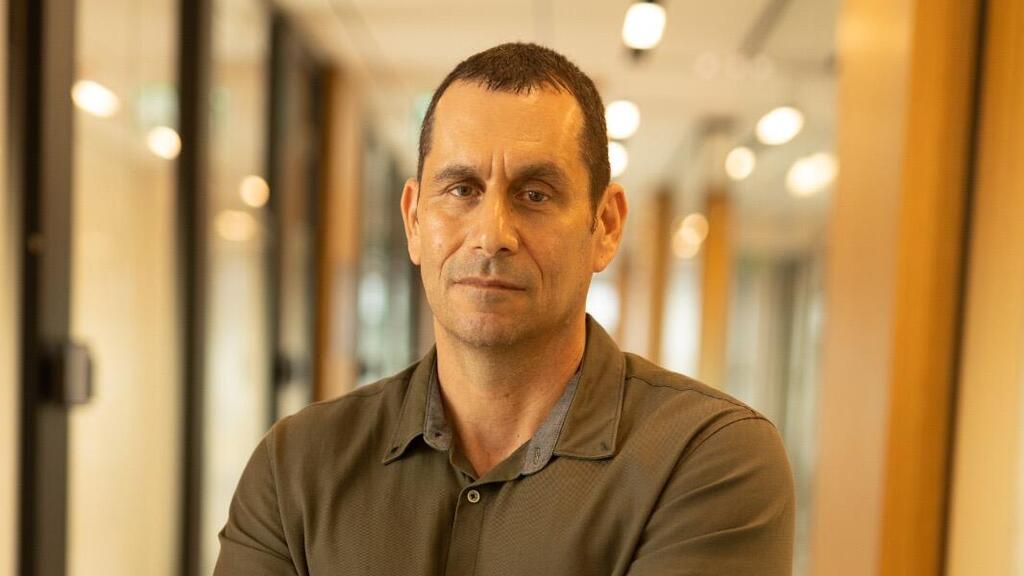
‘You cannot sleep extra hours’: Dr. Amit Green
(Photo: Private album)
Another point to consider is that one common mistake in discussions about sleep is the assumption that there is a “magic number” that suits everyone. Green says sleep needs vary and are affected by body structure, genetics and stage of life.
“There is a relatively wide range among people. Some do very well with six hours of sleep a night, function excellently, feel good and are healthy, while others need eight, nine and sometimes even 10 hours to feel good and function during the day.”
The need for sleep also changes throughout life, he adds. “A newborn sleeps 14 to 17 hours a day, sometimes even more. Toddlers need 12 to 14 hours, older children around 11 hours, adolescents eight to 10 hours, and in adults the need usually shortens. There is a major difference between an 18-year-old, a 40-year-old and an 80-year-old in terms of sleep needs.”
Beyond the question of whether sleep can be “saved,” the entire discussion rests on a deeper understanding of sleep’s role in the body. Green also explains that contrary to the common perception of sleep as “dead” time, when the body and brain are supposedly shut down, it is one of our most intensive biological activities, activating a long list of repair, regulation and processing mechanisms essential to physical and mental health.
“There are physiological processes that occur during sleep. The idea that life stops during sleep is a mistake and a misunderstanding,” he says. “For example, about 90% of growth hormone is secreted during sleep, especially deep sleep. That is critical for growth and development in children, but also in adults. Growth hormone plays a very important role in maintaining, preserving and repairing damage and in coping with illness. It is critical for maintaining our physical health.”
But it is not only the body that works at night — the brain does too. “Cognitively, when we sleep, many processes take place in the brain related to information processing, cognitive abilities, the creation of connections linked to memory, the processing of learning during the day and, certainly, emotional processing. The most obvious example is dreams,” Green explains.
“They are not only information processing. Often, for example, among people who experience nightmares, post-trauma, depression or anxiety, we see how emotional processing takes place during sleep. So the bottom line is that there is no physiological, cognitive or emotional process that occurs during the day that does not also occur at night.”
But if sleep is a time of repair, regulation and processing, sleep deprivation harms almost every possible system. “Sleep deprivation is one of the harshest triggers for the body,” Green says. “The body experiences sleep deprivation as stress — both physiological stress and, especially, mental stress. We know this from people who experience insomnia. The greatest damage we see in them is not necessarily to health, and often not even to function, but to their emotional state. Our entire paradigm of life becomes more worn down, negative and extreme. In those situations, our emotional reactions are much more extreme and less controlled. People who do not usually react that way may have outbursts of anger or crying.”
That, he says, is also the danger in treating sleep as a resource that can be played with. “Sleep deprivation is a trigger and a stressor that is very difficult for us to cope with,” he concludes. “Sleep is not a currency that can be traded, but a basic, daily biological need that cannot be postponed without paying a price. You cannot bargain with hours of sleep. The idea that we can play and trade with it in order to work more and do more things is a mistake. We harm our health, our functioning and, above all, our quality of life.”