

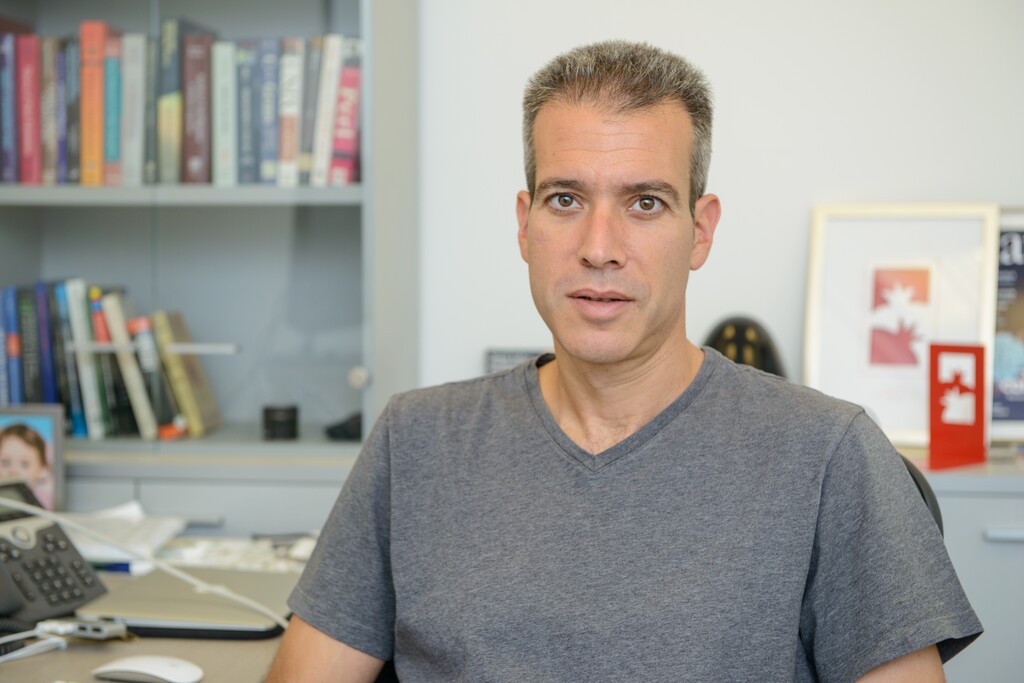
Prof. Eran Segal of the Weizmann Institute of Science said on Sunday that the arrival of COVID-19 vaccines in Israel may prevent it from going into a third nationwide lockdown.
Segal, who developed Weizmann Institute's prediction model for the spread of coronavirus, added that the sharp rise in the number of confirmed cases without a concomitant spike in hospitalizations could be explained by more testing.
"Had we not had vaccines on the horizon, we would've pointed to a clear upward trend that necessitates restrictions," Segal told the Ynet studio. "However, because the rise is currently slow, we estimate that there will be no significant outbreak beyond what we are seeing right now. The event may be contained through vaccines."
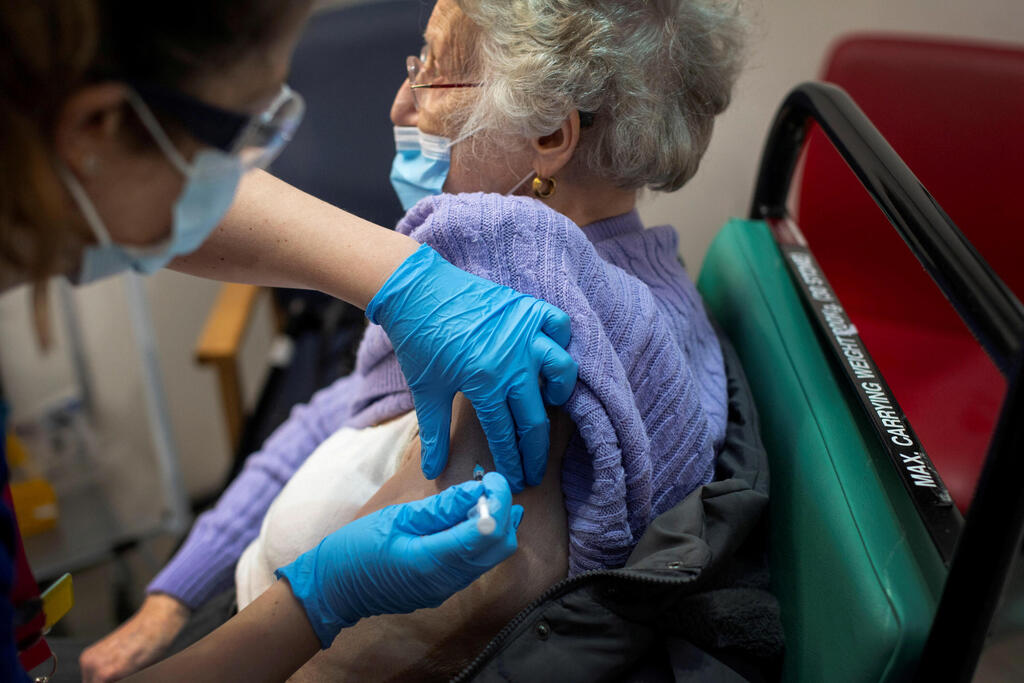
According to Prof. Segal, if Israel administers 60,000 vaccines a day, it will be able to immunize all the country's COVID-19 risk group within a few months and begin to lift restrictions from the economy and society.
"Vaccinating the entire population aged 65-70 and over will dramatically reduce coronavirus morbidity and its reproduction ratio," he said. "If the vaccines are, indeed, highly efficient, there will be a significant decrease in morbidity nationwide within three or four weeks."
A month after vaccinating the risk groups, we will start to see dramatic effects that can be seen long before vaccinating the entire population. There will be far fewer serious cases and deaths, and it will be possible to talk about expediting an exit plan in about one and a half to two months."
However, the biologist said that the greatest challenge in the vaccine's distribution will be convincing the public to take the shot.
"We need to educate the public about the safety of the vaccine. It's a great challenge, but I think it's possible. In terms of the number of vaccines that are available in the country and in terms of the logistics of healthcare services - this is possible. The educational challenge is the most significant one right now."