

"Sometimes he disappears for weeks," says Galit, a clinical dietitian and mother of two whose husband has been serving in reserve duty for more than 200 days. "When he comes back, it’s a bonus, but you can’t build your life around it. "With children out of school and staying at home, declining income, and mounting pressure at home, Galit found herself increasingly isolated. "I told my friends I was struggling," she said. "I heard, ‘Why are you worried? He’s fine.’ It made me feel like I was complaining too much."
Galit eventually found a place where she could talk without feeling guilty, a group for reservists’ spouses on the Dugri online platform which creates structured, anonymous peer-support communities processing mental health issues. "At first, I just needed a place where I could talk without feeling guilty," she said. "There, I felt understood. No judgment." Within days, she was not only sharing but responding to others. Women posted in the middle of the night; others answered within minutes, not with clinical advice, but with recognition: "I’m going through the same thing."
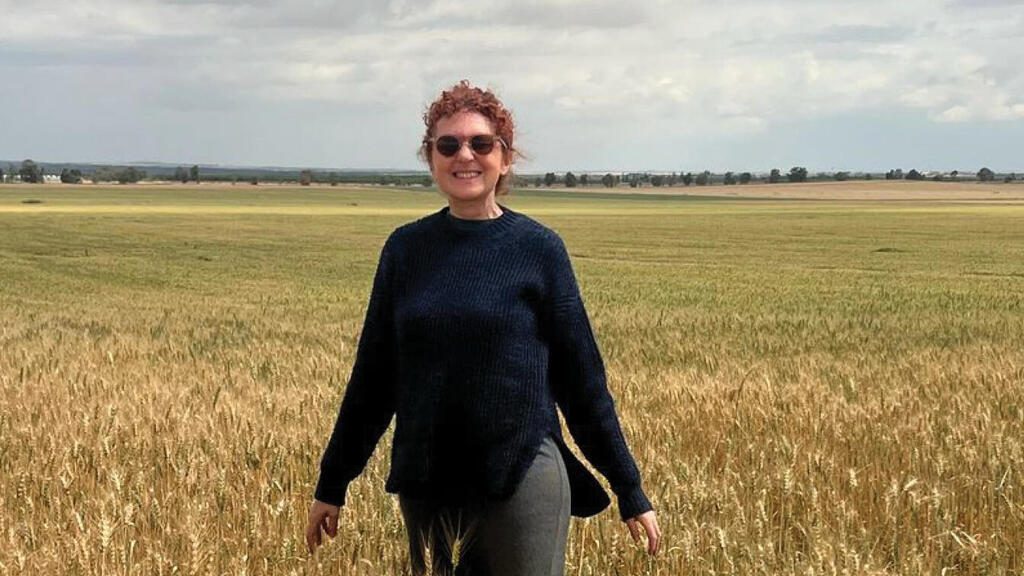
Galit’s experience reflects a national mental health emergency that few were treating as urgent long before the war. Israel entered the conflict with a mental health system already stretched thin, not only under-resourced but only reactive in its approach. It quickly became clear that traditional care models could not meet the scale of need. Recent data reflects this: a majority of children show signs of distress, while large portions of the population report sleep disruption and high anxiety.
"We understood we were not talking about a small group, we were talking about everyone," explains Michal Shmul, Acting Director of Mental Health and Wellbeing at JDC in Israel. "This isn't just about clinical conditions or a specific demographic; it is an issue that touches almost every one of us, in different ways."
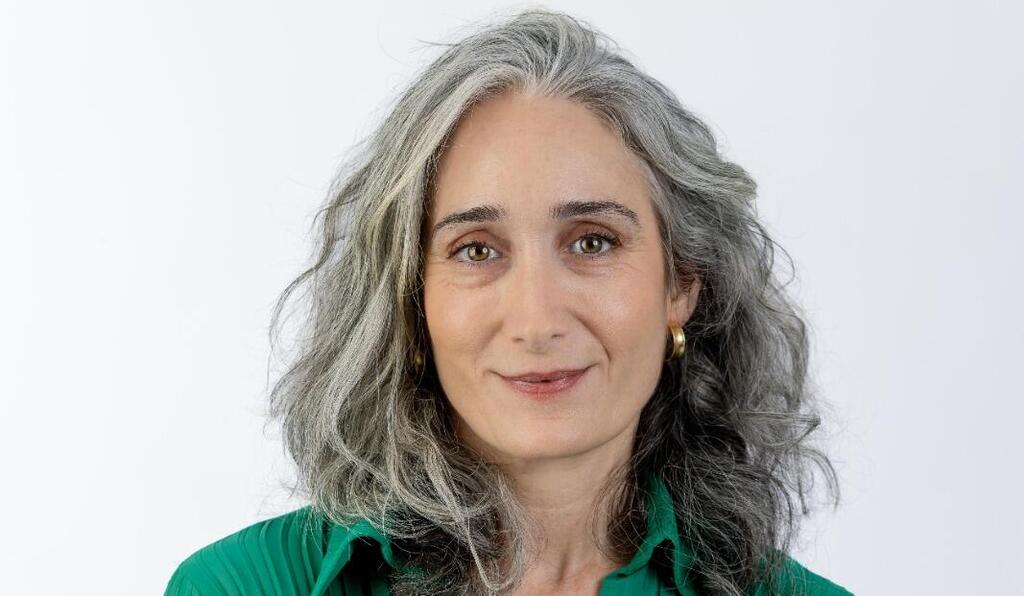
Michal Shmul, Acting Director of Mental Health and Wellbeing at JDC in Israel
(Photo: JDC in Israel)
The need was broader, embedded in everyday life, in people’s ability to function, cope, and remain part of their communities. The COVID-19 pandemic had already caused demand to surge, proving that mental health and wellbeing were no longer a marginal issue but a universal building block of public health. By the time war broke out on October 7, that understanding had already begun to reshape JDC’s operations, expanding the lens from targeted care for traumatized populations to a response focused on millions of Israelis in distress.
To address this, JDC is building a national mental health response that combines multiple layers: large-scale community programs, standardization to ensure best practices across the country, and early detection, all integrated with advanced digital tools. It is crucial to understand that technology is not a replacement for human care, but a vital component within a broader system of actions.
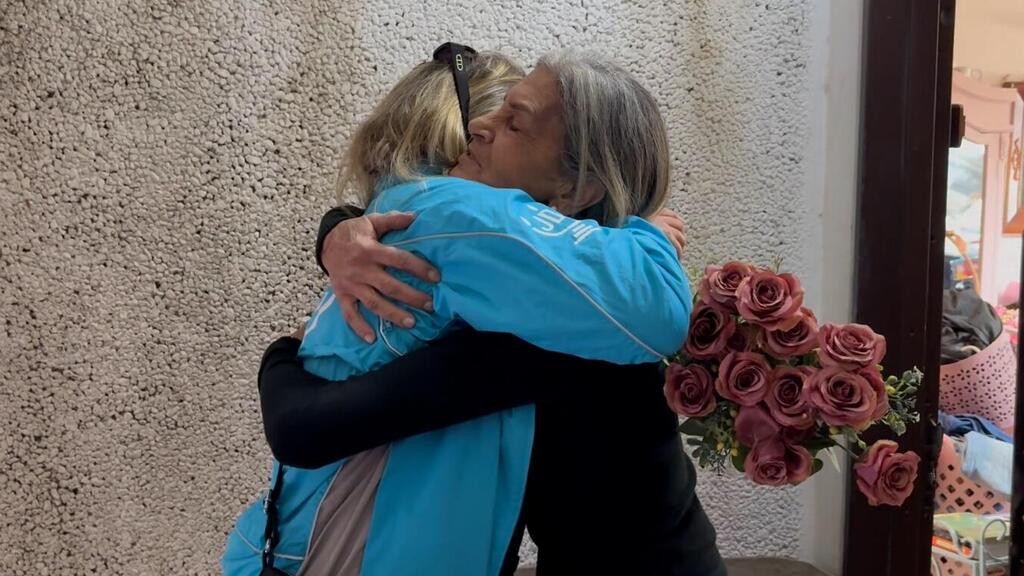
A JDC staff member providing assistance
(Photo: Adi Kenan)
Digital solutions are expanding access while shifting the paradigm from reactive care to preventive support. This effort is led by the JDC’s dedicated mental health and wellbeing division, which works to identify and scale solutions that maintain high professional standards while reaching the largest possible audience.
One of the flagship outcomes of this approach is Nafshi, a national platform that aggregates hundreds of free and low-cost mental health and wellbeing services into a single system tailored to different populations and languages. Since its launch in late 2023, it has recorded more than 200,000 visits, 50,000 visits to Nafshi since the outbreak of the current war with Iran, alongside an additional 100,000 who have utilized JDC's digital emergency resources, including other mental health solutions.
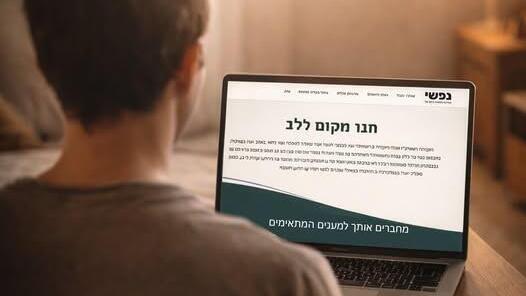
Nafshi, 'hundreds of free and low-cost mental health and wellbeing services'
(Photo: JDC in Israel)
Another layer of the solution is leveraging technology for human connection through platforms like Dugri, used by Galit as she manages the stresses of the war. It is not therapy, but a guided conversation between people who share similar experiences. In some cases, the platform has even served as a first line of intervention for those expressing severe distress.
"People who have gone through similar things understand each other without needing to explain everything," says Yotam Dagan, a clinical psychologist and founder of Dugri. He notes that the scale of the current crisis required a move beyond the clinic: "There were not enough professionals, and there would not be enough. We needed a broad, systemic response, and fast."
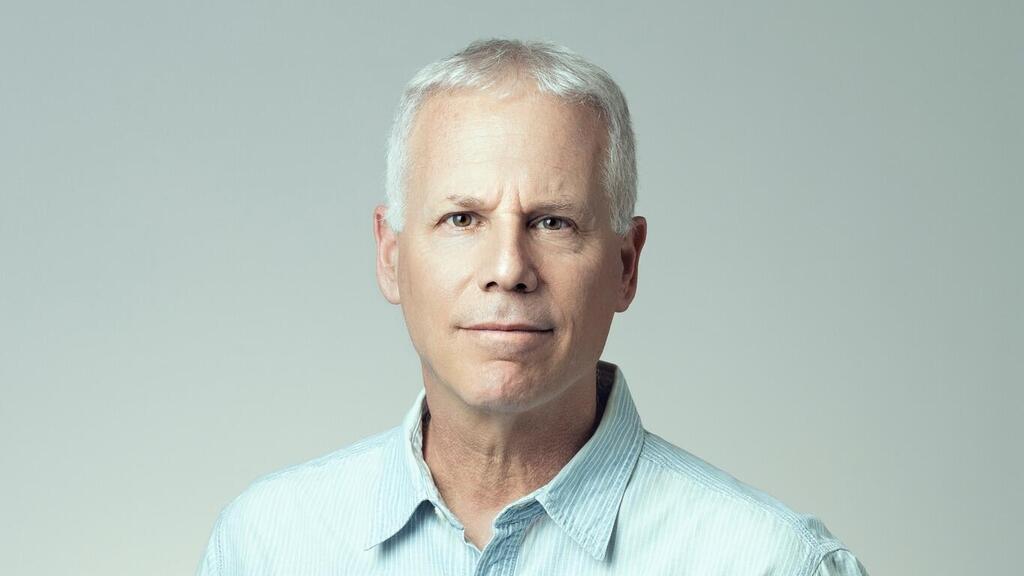
Yotam Dagan, founder of the mental health app Dugri
(Photo: Social Media)
Complementing this is the platform TOKO, which pairs individuals for ongoing, AI-guided sessions, where structured conversations between peers are designed to build resilience and wellbeing without relying on traditional therapy. As JDC’s Michal Shmul notes, "What we saw was that people don’t just need treatment. They need connection, they need to feel they are not alone. By leveraging the unique advantages of technology, we are ensuring that the human element of connection remains central to every solution we provide."
The impact of these tools is not only emotional but preventative. Research shows that early support and connections to community can significantly reduce the risk of long-term disorders. More broadly, platforms like Dugri have become a beacon for what Israelis are experiencing; by analyzing anonymous conversations across communities, patterns begin to emerge, frustration, anger, fatigue, and difficulty returning to routine.
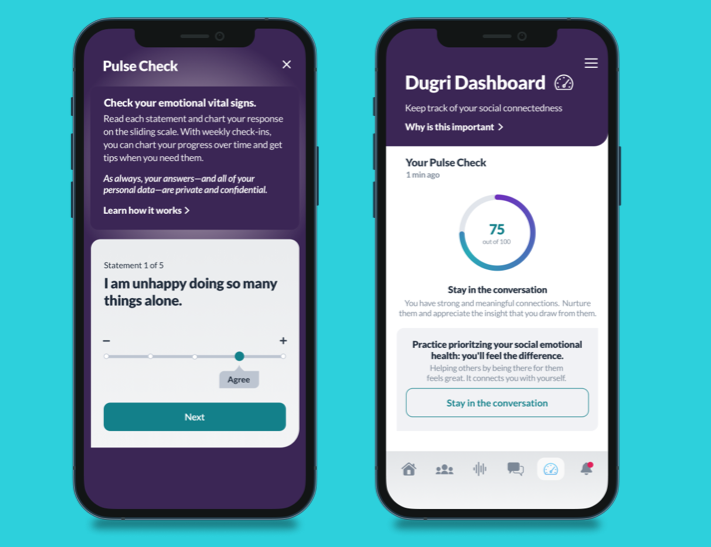
Dugri
(Photo: Dugri Website)
"It’s like a barometer," Dagan said. "You can see what is happening beneath the surface." This data is central to JDC's larger approach to solving this crisis. The development of data-driven tools, including national dashboards, allows decision-makers in the medical system, the social sector, and government to track needs in real time and respond accordingly. This ensures that the response is not just a collection of apps, but a coordinated national system that can adapt to the changing needs of Israelis.
The challenge ahead is not short-term. The war may end, but the psychological impact is just beginning. There are hundreds of thousands of people who cannot simply return to normal life. That is why JDC’s approach extends beyond emergency response. It combines multiple layers; prevention, community, infrastructure and data into a long-term effort to build national wellbeing and resilience. This work requires deep coordination across sectors: public, private, and social.
"In many places, partnership is a slogan," Shmul said. "Here, it’s the only way this works." JDC’s emergency response efforts work in close partnership with the government and are made possible by generous support provided by the Jewish Federations of North America and local Jewish Federations, individuals, families, foundations, and corporations.
As Israel moves into the next phase of the war and beyond it, the frontlines are shifting. From borders to homes. From physical to emotional. The response is being built accordingly: not only in clinics, but in code; not only by professionals, but by communities. Because in this war, the question is no longer whether people will need support, it is whether the system can reach them in time.
*In collaboration with JDC in Israel
First published: 08:29, 03.29.26