


A common sweetener found in sugar-free chewing gum, toothpaste, jams, yogurts and ice cream has been linked in a new study to an increased risk of heart attack, stroke and death. The sweetener is xylitol, a sugar alcohol used to sweeten food and beverages that contains fewer calories than sugar. The researchers stressed that the study found an association only and does not prove that the sweetener itself caused the events.
The findings were presented at the annual congress of the European Society of Cardiology in Munich and therefore have not yet undergone peer review or been published as a full scientific paper. The researchers analyzed data from 17,710 participants in two large, long-term cohort studies: the Canadian Longitudinal Study on Aging and the European EPIC-Norfolk study.
Gallery
A common sweetener found in sugar-free chewing gum, toothpaste, jams, yogurts and ice cream has been linked in a new study to an increased risk of heart attack
(Photo: Shutterstock)
Xylitol occurs in tiny amounts in some natural foods, but the food and oral-hygiene industries sometimes add it in much larger quantities to sweeten products without adding sugar. Despite its growing use, its long-term health effects have not yet been extensively studied.
The association found in the study
The researchers divided participants into four groups based on the levels of xylitol in their blood and compared those in the highest quartile with those in the lowest. In the Canadian study, which lasted six years, the risk of a major cardiovascular event, defined as a heart attack, stroke or death, was 57% higher among those with the highest xylitol levels. The association remained after the researchers accounted for known risk factors including age, sex, smoking, blood lipid levels, diabetes and high blood pressure.
 Dr. Ahmad KhatibPhoto: Courtesy
In the EPIC-Norfolk study, which followed participants for 30 years, the risk of such an event was 18% higher among those in the highest xylitol quartile than among those in the lowest. An analysis of all four groups showed a dose-dependent association: The higher the xylitol levels in the blood, the higher the rate of cardiovascular events.
According to the researchers, the association was observed consistently among both women and men and across different age groups. It also remained after accounting for body mass index, diabetes, high blood pressure and blood lipid levels — factors that may also influence the choice of low-calorie products.
Concern: Blood clots
Dr. Marco Witkowski, a cardiologist at Charité – Universitätsmedizin Berlin who presented the study at the European Society of Cardiology congress, said the findings build on previous work by his team. “In previous studies, we showed that xylitol can increase the ability of platelets to form blood clots,” he said. He added that an earlier study also found an association between high blood xylitol levels and cardiovascular events among people at high risk over a three-year follow-up period.

Xylitol occurs in tiny amounts in some natural foods, but the food and oral-hygiene industries sometimes add it in much larger quantities to sweeten products without adding sugar
(Photo: Shutterstock)
“Artificial sweeteners are consumed by people who think they are healthier than sugar, and regulators generally consider them safe,” Witkowski said in a statement from the European Society of Cardiology. “Our long-term findings in the general population highlight how little we know about the cardiovascular safety of xylitol and indicate that further studies are warranted, especially as the amount of xylitol in products continues to increase.”
The new study follows earlier research by the same team, published in 2024 in the journal European Heart Journal. That study also found an association between high blood xylitol levels and an increased risk of cardiovascular events among people at high risk. The researchers also conducted laboratory experiments and a small human trial and found that xylitol increased platelet reactivity, meaning the tendency of platelets to stick together and form blood clots.
It is important to stress that this was an observational study. It points to an association between high blood xylitol levels and an increased risk of cardiovascular and cerebrovascular events but cannot prove that xylitol itself caused them. Other factors that were not fully measured may also be involved, although the researchers accounted for major risk factors.

'The best-known sweetener is aspartame, which is very common in the food industry and in beverages'
(Photo: Shutterstock)
Sugar-free sweeteners: Benefits and questions
Dr. Ahmad Khatib, director of Clalit’s diabetes unit in the Haifa and Western Galilee district, explained that sugar-free sweeteners came into widespread use about two decades ago, partly as an alternative for people with diabetes. “Their advantage is clear: They do not raise blood sugar levels and therefore can be a good solution for people with diabetes,” he said.
However, he said that in recent years, accumulating evidence has raised questions about the safety of some sweeteners. “The best-known sweetener is aspartame, which is very common in the food industry and in beverages such as Coke Zero. Concerns have been raised about it, including in connection with cancer, but it is important to emphasize that the doses considered problematic are more than 1,000 times higher than the amounts found in the beverages we consume. So this is a warning worth knowing about, but not necessarily one that reflects normal consumption levels.”
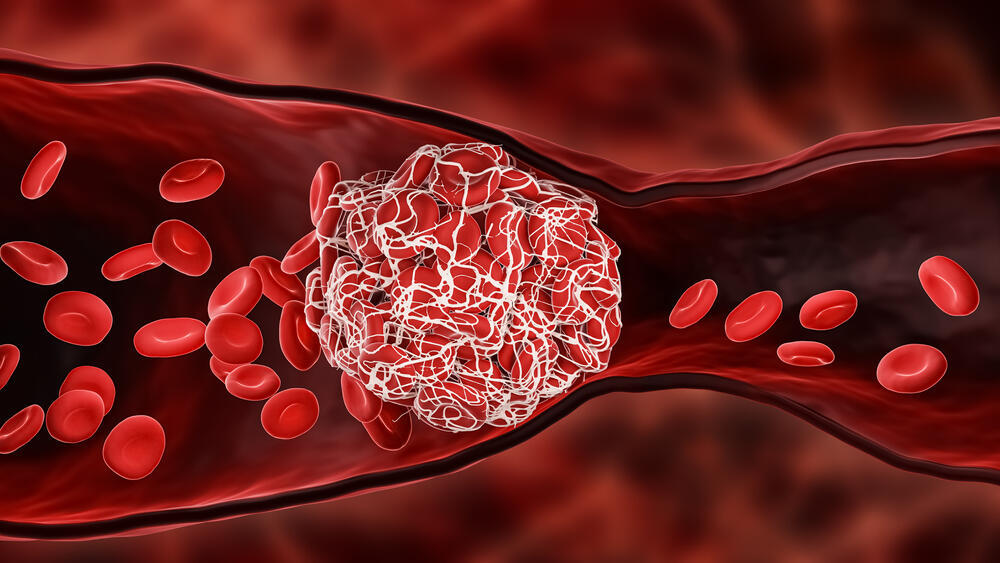
'In previous studies, we showed that xylitol can increase the ability of platelets to form blood clots'
(Photo: Shutterstock)
Khatib noted that xylitol is another sweetener that does not raise blood sugar levels. “The current study is an observational study. The researchers divided participants into groups according to their blood xylitol levels and found that the group with higher levels also had a higher risk of stroke and heart attacks. This is a statistical association, not proof of cause and effect. We cannot say that someone who consumes xylitol will necessarily develop heart disease. More advanced studies are needed to prove that.”
Dell Stanford, a senior dietitian at the British Heart Foundation, told The Guardian that people may assume products containing xylitol are a healthier choice and therefore consume more of them than they realize. He said the study adds to accumulating evidence that artificial sweeteners may affect health but is not a reason to replace them with higher consumption of sugar.
Khatib concluded: “This is a reminder that we should reduce our consumption of processed foods and beverages, which often contain a lot of sugar, salt or sweeteners, and focus on a balanced diet that will help protect the heart.” He said the Mediterranean diet is the recommended choice, among other reasons because it includes plenty of vegetables.