

If you regularly browse the dairy aisle at the supermarket, you may have noticed something changing. The once-ubiquitous 0% fat diet yogurt is gradually disappearing from view, replaced by rich Greek yogurts containing 10% fat and long rows of PRO products fortified with protein, omega-3, vitamin D and extra calcium.
Welcome to the new era of supermarket shelves, an age in which we have stopped taking things away and started adding them instead. For decades, the diet category maintained an almost exclusive psychological dialogue with consumers. Diet products offered us a comforting illusion: that simply by avoiding sugar and calories, we were managing our weight, eating "clean" and doing something good for our bodies.
Gallery
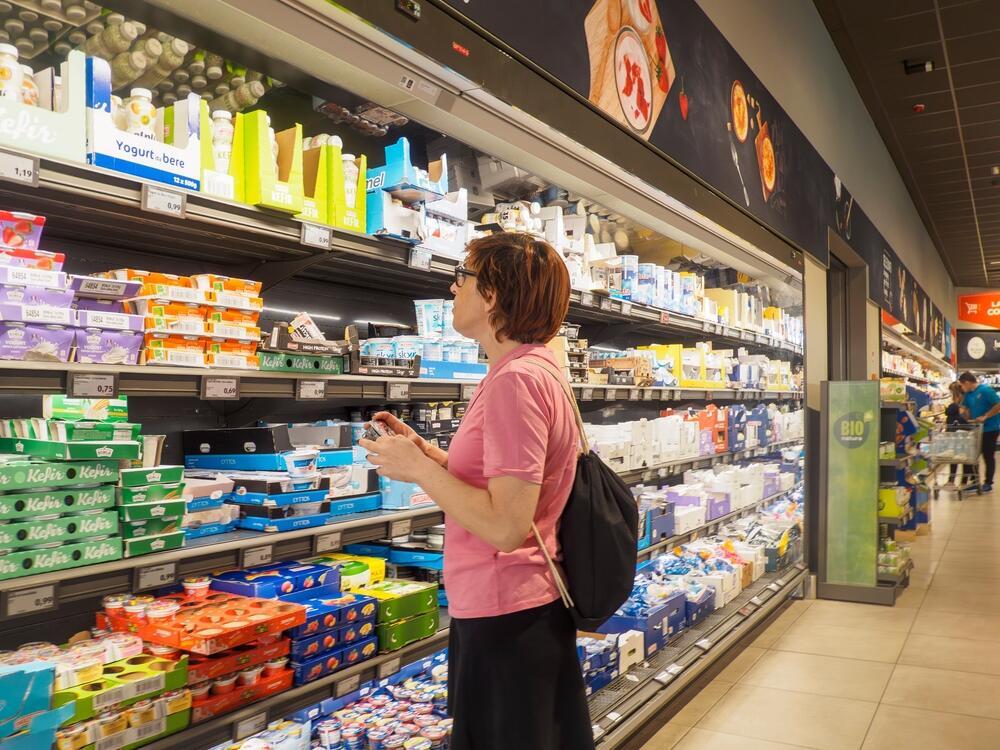
No longer focused on depriving our bodies, but on giving them more
(Photo: Shutterstock/columbo.photog)
But in recent years, a sharp shift has taken place, reflecting both social changes and global health trends. Chief among them is the revolution in weight-loss injections, which has become a worldwide phenomenon. Alongside weight loss, these medications can also lead to a reduction in muscle mass. That makes adequate nutrition, including appropriate protein intake, along with physical activity and strength training, particularly important. Consumers are now being encouraged to focus on two things: getting more exercise and adding protein to their daily diets. The goal is no longer simply to be thin, but to be strong, muscular and healthy.
At the same time, consumers are undergoing a change in mindset. Where we once focused on what products didn't contain, whether sugar, fat or calories, today we no longer want to deprive our bodies. Instead, we want to nourish and strengthen them.
Just look at what is happening in the dairy and milk-alternative categories: fortified milk, low-lactose milk for people with lactose intolerance, eggs enriched with omega-3, dairy desserts with added iron and zinc for children, and even breakfast cereals and energy bars, which few of us genuinely mistake for pure health foods, promising extra calcium and protein.
This shift goes far beyond supermarket shelves. It is also transforming advertising and branding. Numerous studies suggest that Generation Z increasingly regards the word "diet" as outdated, old-fashioned and even untrustworthy.
Perhaps the clearest example is Coca-Cola. The long-established Diet Coke brand has largely faded from the marketing spotlight in favor of Coke Zero.
There is also a fascinating gender shift taking place. In the past, diet products were marketed primarily to women, with promises of slimming down and maintaining a desirable figure. Zero and PRO brands, by contrast, have broken through those traditional gender boundaries. Their messaging speaks directly to everyone, men and women, young and old.
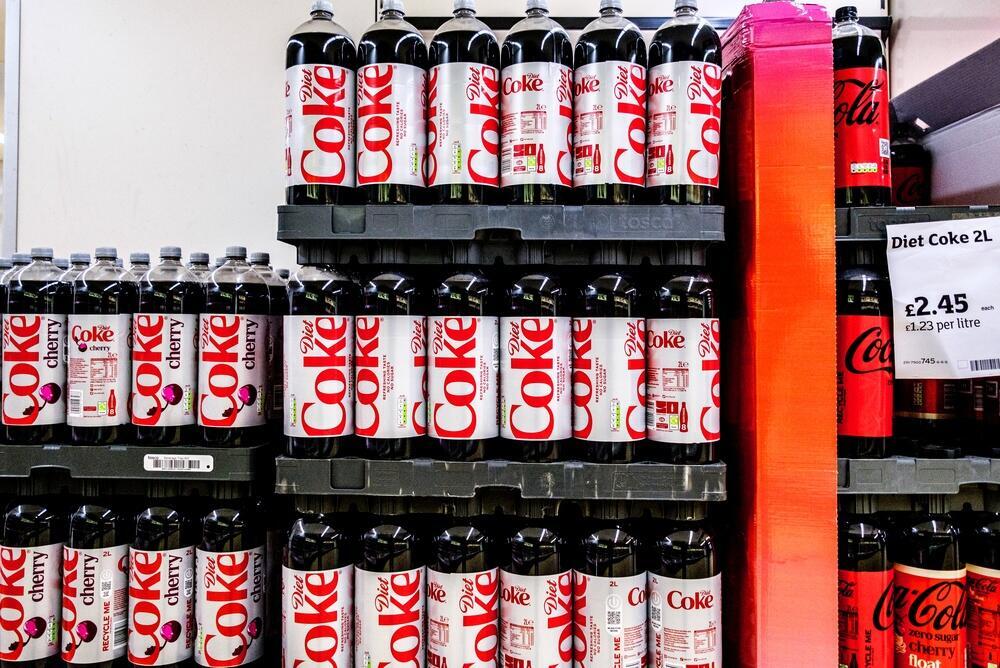
Is it all just a matter of branding?
(Photo: Shutterstock/Richard M Lee)
But as with any trend, it is worth stopping to think before embracing it. The fact that a product proudly displays the word PRO or "enriched" does not automatically make it the right choice. The front of the package is designed to sell, not to explain. Here are a few things worth checking before filling your shopping cart:
Do you actually need more protein? Most healthy adults get enough protein through their regular diets without needing special products. Extra protein does not automatically turn into muscle, and without physical activity, it simply adds more calories.
Those who may genuinely benefit from additional protein include older adults, athletes and people using weight-loss injections. Even they are likely to gain more from consulting a registered dietitian than from trusting the label on a yogurt container.
Turn the package around. The front of the package tells the marketing story. The nutrition facts panel tells you what is actually inside.
Compare the amount of protein per 100 grams with that of an equivalent regular product, check the sugar content and take a look at the ingredients list. Some PRO products contain sweeteners, stabilizers and flavorings.
Also pay attention to Israel's front-of-package nutrition warnings. A product can boast a high protein content while still carrying a red warning label for excessive sugar, sodium or saturated fat.
‘Rich’ doesn't always mean ‘healthy’. Greek yogurt containing 10% fat may be delicious and filling, but it can also be high in saturated fat and calories. The return of fat to supermarket shelves does not mean we can consume it without considering portion sizes.
Such products can certainly be part of a balanced diet, but they are no substitute for making informed nutritional choices.

Don't overlook the fine print
(Photo: Shutterstock/Hryshchyshen Serhii)
Science has not answered every question. Many functional food products are relatively new, and some of the claims surrounding them rely on small, short-term studies or research funded by the manufacturers themselves. We still know relatively little about the long-term effects of consuming certain processed, fortified foods every day.
Zero-sugar products are not necessarily a solution for weight management, either. In 2023, the World Health Organization recommended against relying on non-sugar sweeteners for long-term weight loss or weight maintenance. The recommendation did not address the safety of the sweeteners themselves, and scientific discussion on the subject continues.
So before adopting a product because influencers recommended it, ask yourself two simple questions: Who is making the claim, and what evidence supports it?
Calculate the price per gram of protein. PRO products are often sold at a premium compared with their regular equivalents. But eggs, cottage cheese, tuna, legumes, tofu and ordinary yogurt are all good sources of protein, sometimes at a fraction of the price and without additives you never asked for.
The bottom line is that the traditional diet category is gradually making way for an expanding world of fortified foods, functional products and health supplements. It is a world that promises not merely to help consumers make better choices, but also to nourish, strengthen and protect their health in the future.
Still, it is worth remembering that the feeling of having made the "right" purchase is precisely what brands are selling us. The truly informed choice begins on the back of the package, not with the marketing slogan printed across its front.
- The author is an advertising professional and lecturer in innovation at the School of Health Systems Management at Netanya Academic College.