


A large international clinical trial led in Israel by Dr. Hofit Cohen of Sheba Medical Center has demonstrated the effectiveness of a new drug that cuts triglyceride levels by more than 50% and sharply reduces life-threatening pancreatitis. The findings, involving nine Israeli medical centers, were published this month in the New England Journal of Medicine and presented at the American Heart Association’s annual conference in New Orleans.
Dr. Cohen, director of the Lipid Disorders Diagnosis and Treatment Service at Sheba’s Strasburger Lipid Center, described the impact on one patient, a 50-year-old real estate appraiser who had suffered six pancreatitis episodes in recent years. Despite strict dieting, lifestyle changes and maximal drug therapy, he required frequent hospitalizations, including in intensive care. Under the study treatment, she said, his triglyceride levels returned to normal and he has not needed emergency care since.
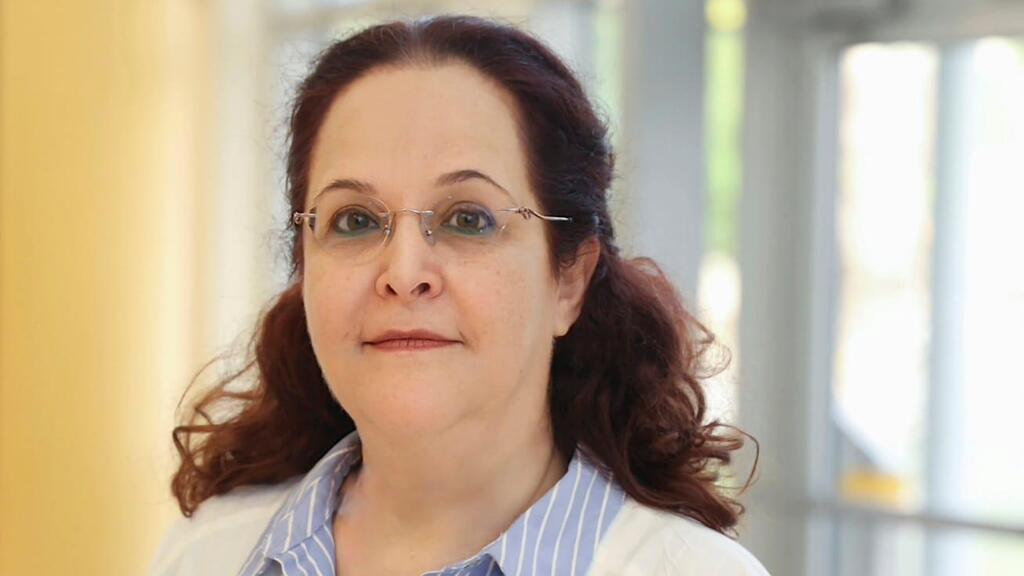
“This is a genuine breakthrough,” Cohen said. “Until now, there was no effective treatment for patients with extremely high triglyceride levels and recurrent pancreatitis. The study showed a significant drop in triglycerides and a dramatic reduction in pancreatitis risk. This is a therapy that changes the course of these patients’ lives.”
What are triglycerides — and why are they dangerous?
Triglycerides are a type of fat in the blood made up of three fatty acids attached to glycerol. After meals, the intestine produces triglycerides and transports them through the bloodstream via particles called chylomicrons. The liver produces similar particles, known as VLDL. These triglyceride-rich particles supply energy or are stored in fat tissue.
Normal triglyceride levels are under 150 mg/dL. Levels between 150 and 499 are considered elevated, 500 to 999 are significantly high, and anything above 1,000 mg/dL is extremely high and carries a real risk of pancreatitis as well as cardiovascular disease.
Elevated triglycerides increase the risk for atherosclerosis, heart attacks, strokes and peripheral vascular disease. Very high levels sharply increase the risk for acute pancreatitis, a sometimes life-threatening condition that may require intensive care and can cause permanent damage.
Why triglycerides rise — and why current treatments fall short
Cohen said elevated triglycerides usually result from a combination of genetic and environmental factors. Diets rich in fats and simple carbohydrates, lack of exercise, heavy alcohol use, uncontrolled diabetes, kidney dysfunction, hypothyroidism, overproduction of cortisol and central obesity are key contributors. Rare genetic disorders can also impair the body’s ability to break down triglycerides, causing extremely high levels from a young age.
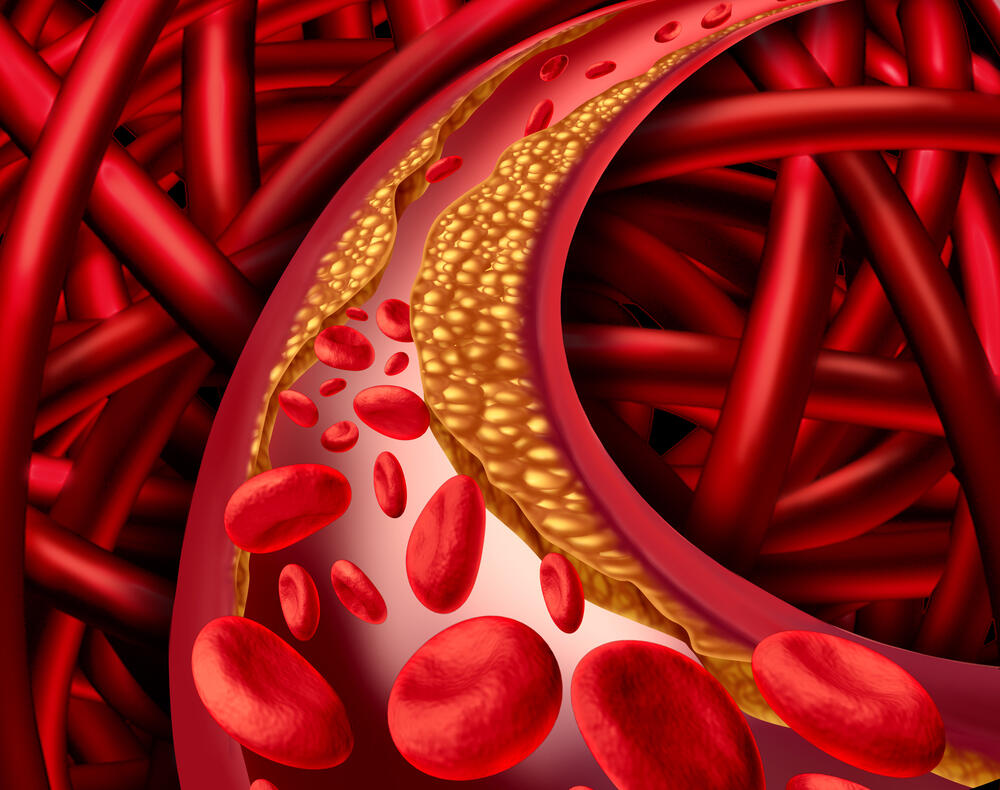
A 3D illustration of blood fats
(Photo: Shutterstock)
Treatment generally begins with lifestyle changes: balanced diet, reducing simple carbohydrates, avoiding alcohol, regular exercise and strict diabetes control. Many patients also receive statins to reduce heart disease risk. When levels exceed 500 mg/dL, doctors typically add fibrates or high-dose omega-3 fatty acids, which can lower triglycerides by 30% to 50%.
For some patients — especially those with levels “in the thousands” — these measures are not enough. They continue to suffer recurrent pancreatitis despite strict adherence. In severe cases, patients undergo plasmapheresis, an invasive procedure to mechanically remove triglycerides from the blood, often weekly or biweekly.
A new generation of drugs rewrites the treatment landscape
In recent years, advanced RNA-based therapies have transformed care for severe hypertriglyceridemia. These treatments target specific proteins involved in triglyceride metabolism. One key protein, apoC-III, naturally slows the breakdown of triglycerides. Suppressing its production significantly boosts the body’s ability to clear fats.
Volanesorsen, the first drug in this class, was approved in Europe. The newer drug, Olezarsen, works through the same mechanism but is liver-targeted and considered safer. The FDA approved it in 2024 for a rare genetic disease called familial chylomicronemia syndrome (FCS), and it is expected to reach Israel soon.
The CORE trials examined whether Olezarsen could help adults with severe hypertriglyceridemia who had failed to reach safe levels despite lifestyle changes and conventional treatments.
More than 1,000 participants — and dramatic results
The two large, double-blind, placebo-controlled trials included 1,061 participants across 23 countries and roughly 140 medical centers, including nine in Israel. Participants received monthly injections of Olezarsen or placebo for one year. Researchers measured changes in triglyceride levels and pancreatitis incidence.
Triglyceride
(Photo: Shutterstock)
The results were striking: average triglyceride levels dropped from about 800 mg/dL to reductions of 50% to 70%, depending on dosage. Eighty-five percent of patients achieved levels below 500 mg/dL, and pancreatitis rates fell by more than 80%.
The drug appeared safe overall, with similar rates of side effects and treatment discontinuation compared with placebo. However, researchers noted several findings requiring monitoring: mild increases in liver enzymes, reduced platelet counts in some patients — more common at higher doses — and dose-dependent increases in liver fat. Long-term follow-up is ongoing.
A 'game changer' for patients
Cohen said that until now, patients with extreme triglyceride levels often had no effective alternatives other than ongoing invasive procedures. Olezarsen, she said, offers a life-changing option that sharply lowers triglycerides, slashes pancreatitis episodes and may eliminate the need for plasmapheresis.
“This is a treatment that changes these patients’ lives,” she said, calling it a true breakthrough and a “game changer” in severe hypertriglyceridemia care. Combining the new drug with healthy lifestyle habits, diabetes control and existing therapies could significantly reduce illness and death among patients with dangerously high levels, she added.
Dr. Dov Gavish, chair of the Israel Atherosclerosis Society and a senior physician at Shaare Zedek Medical Center, said the newer drugs available through clinical trials already help patients maintain far lower triglyceride levels, reduce pancreatitis episodes and improve diabetes control. More treatments are in development and “will allow us to offer even broader care and prevent severe complications,” he said.