

McDonald’s is testing the launch of a line of lighter, protein-rich items at several restaurants across the U.S., as soaring use of appetite-suppressing drugs reshapes how Americans eat.
The move comes amid a dramatic rise in prescriptions for GLP-1 medications, which curb appetite and reduce portion sizes. As a result, some customers are arriving at restaurants already feeling half-full.
According to a Gallup survey, about 12.4% of U.S. adults now use GLP-1 drugs, roughly double the rate 18 months ago. The medications reduce cravings, cut snacking and shrink portion sizes, trends McDonald’s says it has begun to see reflected in its sales data.
McDonald’s CEO Chris Kempczinski told Crain’s Chicago Business that this is not a passing trend.
To maintain customer traffic and protect average check totals, the chain is experimenting with menu items that deliver more protein with fewer refined carbohydrates and less added sugar. Grilled chicken strips have been tested as a permanent alternative to breaded versions. Test kitchens have also wrapped quarter-pound beef patties in lettuce leaves, added seasoned cauliflower to tortillas and developed compact, protein-packed burgers aimed at customers who want the taste of a Big Mac without the bun.
Former McDonald's chef Mike Haracz described the strategy as an effort to convert customers who might otherwise skip a visit. “The new line will encourage purchase intent from GLP-1 users,” Haracz said. Industry nutritionists expect any permanent menu overhaul to feature fewer carbohydrates, more protein and fewer overall calories, a sharp shift from the supersized era of the early 2000s.
The ripple effect is spreading far beyond McDonald’s golden arches. Shake Shack has rolled out a health-focused menu that swaps buns for lettuce on three of its core burgers. Chipotle promotes high-protein “Lifestyle Bowls,” while Starbucks markets customizable cold drinks with less added syrup.
In conversations with analysts, competing chains have reported declines in dessert and pastry orders, along with softer demand for sugary beverages. Market researchers now describe the competitive landscape as centered on nutritional density and customization rather than portion size or price alone.
Packaged food manufacturers are adapting as well. General Mills has reduced the size of single-serve cereal packages, and Conagra Brands has begun labeling select Healthy Choice frozen meals as “GLP-1 Friendly,” betting that supermarket shoppers will gravitate toward meals explicitly tailored to smaller appetites.
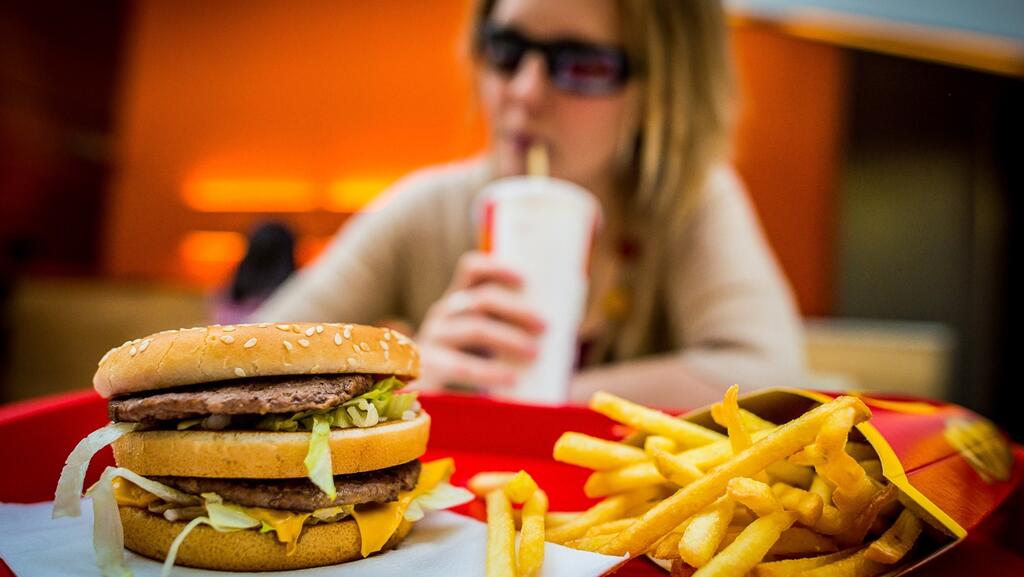
Customers seek lighter alternatives to classic fast-food favorites
(Photo: Shutterstock)
Independent restaurants are also adjusting. Cuba Libre Restaurant and Rum Bar in Orlando, Florida, for example, partnered with a weight-loss specialist to redesign core dishes with more protein, more fiber and fewer calories.
A scaled-down version of its classic ropa vieja now combines shredded beef with asparagus and a spoonful of rice and beans instead of a full plate, and lighter portions account for about a quarter of ropa vieja orders. Co-founder Barry Gutin said they realized that guests need dishes that match their new appetites without sacrificing flavor.
Restaurateurs such as Gutin argue the shift is structural rather than cyclical, pointing to the speed of GLP-1 adoption and the tendency of users to remain on the medications long term.
For fast-food giants, the stakes are high. If even a small share of regular customers permanently trims order sizes, billions of dollars in annual revenue could be at risk. By racing to redesign classic items and test new formats, McDonald’s and its peers hope to stay top of mind, and within customers’ calorie budgets, as eating habits may never fully return to pre-injection norms.