

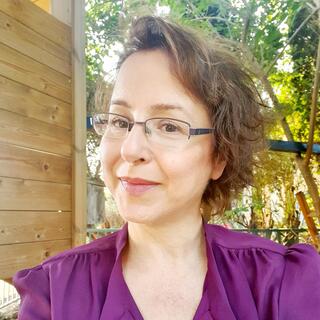
A firm decision Etti Zohar, 45, made three years ago likely saved the life of her husband, Lior, 49. Two of their three daughters have Crohn’s disease, a chronic bowel condition diagnosed when they were young. Etti decided that she and Lior should have colonoscopies “to see whether the Crohn’s came from one of us,” she explains. “I thought we should check what was happening in our intestines. Lior didn’t want to have the test. As far as he was concerned, if everything was fine, there was no reason to go into a hospital. But I pushed him.”
Lior: “She went to our health fund to get referrals for both of us, but because we were under 50, they wouldn’t approve them. She argued with everyone there. When I went to the gastroenterologist, she asked, ‘Why are you here?’ I said, ‘I’m afraid.’ She asked, ‘What are you afraid of?’ I said, ‘My wife.’ So she said, ‘Oh, you’re the husband of that crazy woman who was here,’ and gave me a referral. I went into the test feeling pretty smug. I thought everything was fine with me.”
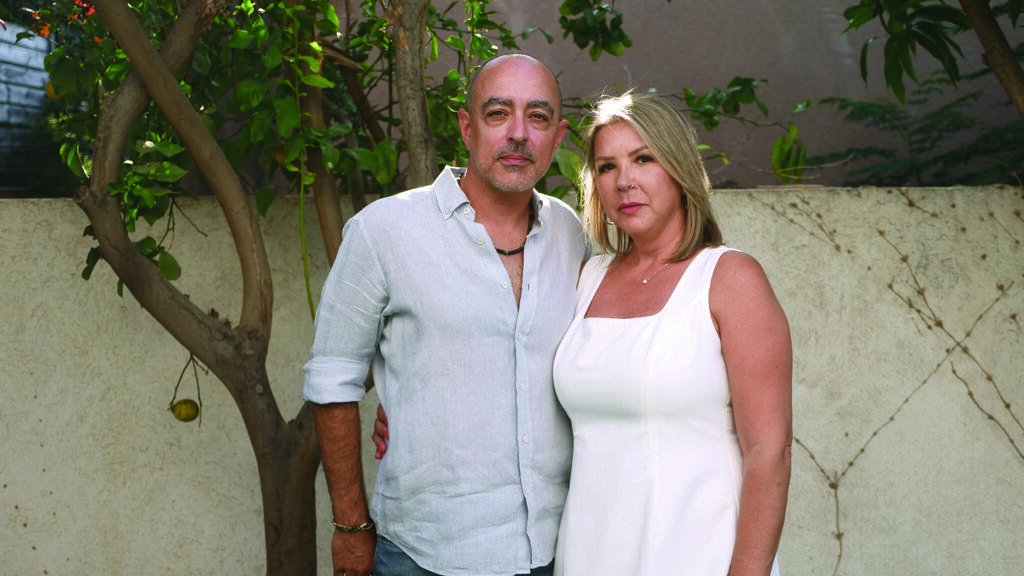
Etti: “We had the tests one after the other. Then the doctor called us in and said, ‘Etti, everything is normal with you. But Lior, you have a tumor the size of a tennis ball in your bowel.’ We were in shock. He hadn’t felt anything. We left stunned and sat down at a cafe to process what we had heard.”
Lior: “My thoughts were racing. How was I going to get through this? What about the girls? What had I accomplished in life? What hadn’t I done? What would happen financially? The uncertainty was overwhelming. At night, I read about colorectal cancer, and in the morning, I went to work. I was a zombie. People at work asked, ‘Why do you look like that?’ I said, ‘Everything’s fine,’ and just kept walking. I hope people weren’t offended by me during that time. Only after three weeks did I change my mindset and decide to stop reading medical material, start thinking positively and focus on doing things.”
Meanwhile, as they waited for Lior’s biopsy results, Etti discovered a lump in her breast.
“I don’t usually check, but something made me feel my breast,” she recalls. “I felt a small lump in the middle of my right breast. When Lior came home from work, I told him, and he suggested I get it checked. I wanted to put it off because I felt very healthy and thought it was probably a cyst. But a week later, a lymph node in my armpit swelled up like a little Ping-Pong ball. I immediately made an appointment with a breast surgeon, who referred me for tests.
“During the mammogram, I could see that something wasn’t looking right to the technician, but she didn’t say anything because she wasn’t allowed to. The ultrasound technician didn’t say anything either. The next day, the imaging center called and asked me to come back for another test. I had another mammogram and ultrasound, and the doctor said, ‘You know what I have to tell you.’ I asked him to explain, and he said, ‘You have a cancerous tumor, and it’s aggressive.’ The shock was indescribable. I couldn’t understand how there could be two cases in one household at the same time.”
Lior: “I fell apart. It was even harder than finding out about my own diagnosis. When they found my tumor, I knew Etti was strong and that our home wouldn’t fall apart. When I heard she had a tumor too, I told myself: That’s it. We’re screwed. We cried together, and from that moment, we decided we were going to fight. By the way, I asked a chatbot what the chances were of both spouses being diagnosed with cancer in the same month, and it answered: one in hundreds of millions.”
Etti was told she would need surgery, chemotherapy and radiation. “Because it was an aggressive, fast-spreading tumor, it had to be treated immediately. When we told the girls, they cried and asked, ‘We only just found out about Dad. How can you have it too?’ Nobody could understand how it was possible. Some people told us to replace the mezuzahs in our home, and we did.”
Etti, is there a history of cancer in your family?
“Both of my mother’s sisters had breast cancer and, thank God, recovered. That’s why I made sure to have a mammogram and ultrasound every year. But my tumor wasn’t hereditary.”
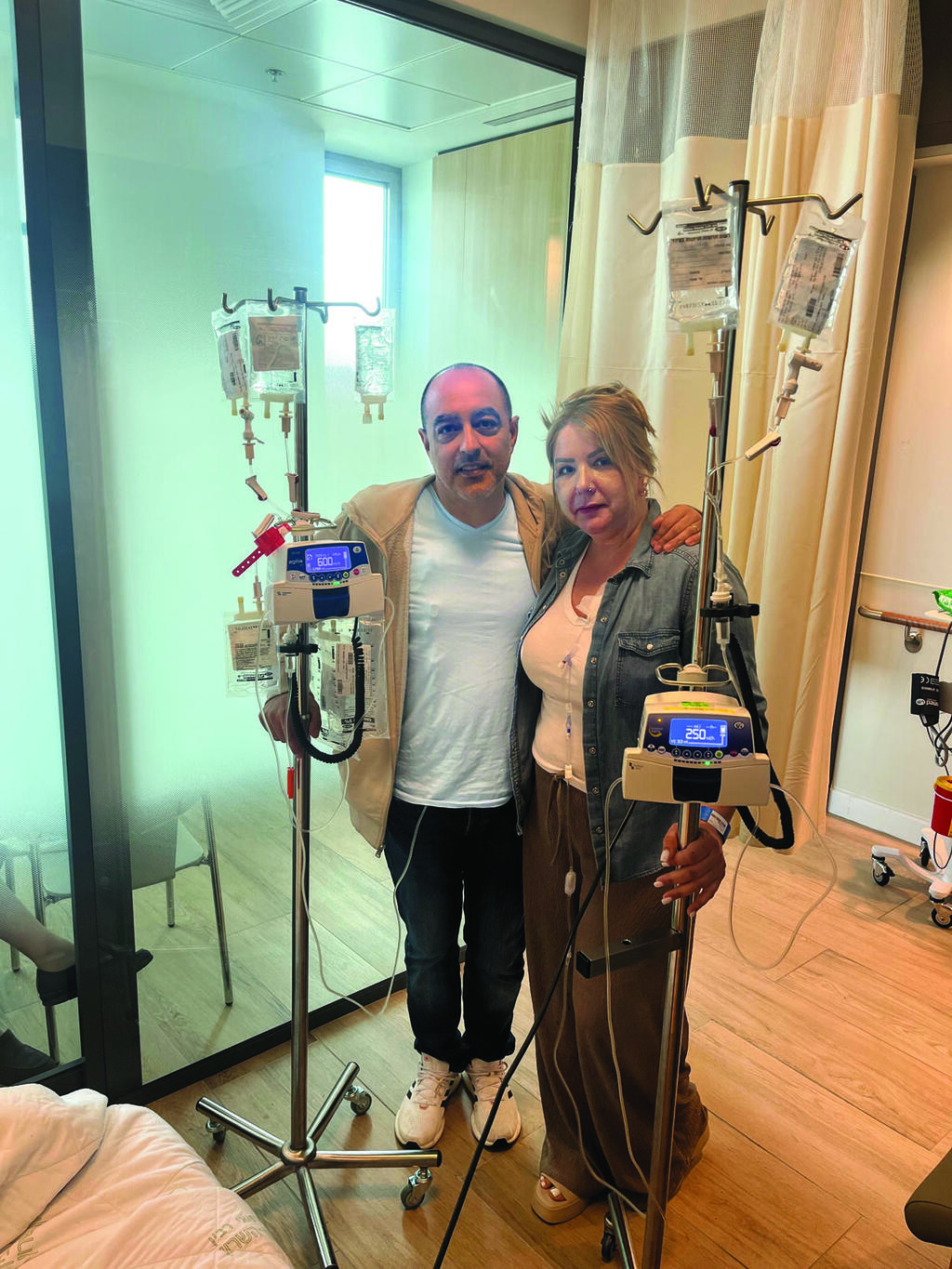
Lior and Etti Zohar during treatment
(Photo: Private album)
Side by side
Etti owns a beauty salon adjoining their home in Hadera. Lior has worked at Elbit for 22 years. They have three daughters, ages 21, 18 and 13.
The couple met during their military service. He was a fire-control systems technician in the Ordnance Corps, assigned to an armored battalion, and she served as a technical operator in the same corps.
“One day, he saw me at the 188th Brigade, handed me a note with his phone number and asked me to call,” Etti says.
“I was drawn to her like a magnet,” Lior explains. “We started dating, and after two weeks, I told a friend, ‘She’s the woman I want to marry.’”
Both stayed in the military as career soldiers. They married and lived in Katzrin. After leaving the military, they moved to Rishon Lezion and then to Hadera.
They went through treatment and recovery together, telling those close to them about their illnesses only after both had undergone biopsies and received formal diagnoses.
“A week after I told my father, he had a heart attack and underwent cardiac catheterization,” Lior says.
Although Lior was diagnosed first, Etti began chemotherapy before he did, at Beilinson Hospital, part of Rabin Medical Center.
“During the first treatment, I felt as though I was choking. Lior quickly called the nurses, who gave me more steroids. By the time I finished 12 treatments, I had no energy left.”
Meanwhile, Lior enrolled in a rectal cancer study led by Prof. Baruch Brenner, described below. He was told he would need radiation and chemotherapy but probably would not need surgery.
“Because I had accompanied Etti to her chemotherapy treatments, I knew what I was heading into. And the chemo really did knock me out. I had all sorts of side effects, including losing my voice for a week and a half.”
Etti: “When I was in treatment, Lior supported me, and vice versa. I had down days and up days, and we tried to lift each other’s spirits. Once, we had chemotherapy together, in chairs side by side. That week was especially challenging.”
Lior: “Because we were both going through chemotherapy at the same time, we understood each other without a word. When Etti came home from treatment, I knew exactly how she felt and what muscle pain she would have the next day. When I was in treatment, Etti knew exactly when I would need a glass of water. That period strengthened our relationship.”
Did you allow yourselves to fall apart?
Etti: “No, because we wanted our home to remain stable and strong, for everything to carry on as usual and for us to be there for the girls. We knew we had to keep going and see the good. Everyone was there for us: our parents, our siblings, our friends, our neighbors. Our eldest daughter helped so much and became the grown-up at home. Despite all the difficulties, we tried to be present for the girls, who went to therapy to help them cope.”
Forgive me for asking, but did you discuss the possibility that one of you would survive and the other wouldn’t?
Etti: “No, and we didn’t write a will either, because I didn’t think that could happen. Something always told me I would find a hidden strength within me to help me cope. We knew this would pass.”
Lior: “It was a very frightening thought. We didn’t prepare a will or any other document, but it hung over us. I went over my workplace benefits with Etti, my pension fund and continuing education fund, and we tried to look at things positively.”
When biologic therapy caused another illness
When Etti began an innovative course of chemotherapy combined with biologic therapy, her condition began to deteriorate.
“I felt terrible. I vomited endlessly and couldn’t swallow anything,” she recalls. “Lior was exhausted from chemotherapy, so my brother took me to the emergency room at another hospital. They examined me and found that my immune system was severely weakened. They put me in isolation and started giving me nutritional support.”
Lior: “At night, after all the medical staff had gone home, I would sneak in to see her. When your hearts are drawn to each other, you can’t fight it.”
Etti: “My memories of that period are hazy. I didn’t have the strength to talk or even hold my phone. They transferred me to Beilinson, where they tried to figure out what was wrong. I felt that my body was betraying me, and there were days when I was quite disconnected. I couldn’t communicate and didn’t know what was happening with my family. I felt I had no control over my life. Looking back, those were the hardest moments of the entire ordeal.”
Lior: “When they put a feeding tube in Etti, that was the most frightening moment for me. She lay there like a sack of potatoes. She was completely out of it.”
After two weeks at Beilinson, oncologist Prof. Rinat Yerushalmi Misheli identified the problem. Etti had developed Addison’s disease, a condition affecting the adrenal glands that left her body unable to produce cortisol.
“It was caused by the biologic drug they gave me. Things still haven’t returned to normal, and I take steroids to replace the hormone the glands should be producing.”
Once the problem was identified and the biologic therapy stopped, Etti was scheduled for surgery to remove the tumor and four lymph nodes. After recovering from the operation, she completed chemotherapy and went on to radiation. Treatment ended two years ago, and both have remained under follow-up care since then.
Did you change your lifestyle after recovering?
Etti: “When I was 9, I nearly drowned at Argaman Beach in Acre, where I grew up. The waves swept me into deep water, and I couldn’t swim. I felt myself slipping away. Luckily, the lifeguard spotted me and pulled me out. I hadn’t gone into the sea since.
“While we were in treatment, Lior took me stand-up paddleboarding at sea, and that was the beginning. I dared to confront my fear. Later, I even swam in deep water in Corfu. It turns out that the illness gave me the courage to face old fears. Today, I go to the sea a lot. Something about it brings me peace and calm, and every day, I choose to live life as fully as possible.”
Lior: “Before I got sick, I smoked a little and ate red and processed meat. I ate cold cuts every day and drank alcohol. Since then, I’ve quit smoking, seen a dietitian, significantly cut back on meat and alcohol and lost 10 kilograms.
“Beyond that, I realized I didn’t need to wait until retirement to start fulfilling my dreams, because I don’t know what will happen. Before I got sick, I took a skipper’s course. I used to think more about the cost of sailing trips and taking time off work. Today, those considerations take a back seat. I’m living my life.”
In our first conversation, you said you were private people. Why did you agree to be interviewed?
Etti: “It was important to us to raise awareness of early detection. Pay attention to any changes in your body, and ask for a referral for tests even if you’re not at the usual screening age. If you feel something isn’t right, insist.”
Lior: “It was important to us to thank the Davidoff Center at Beilinson. Everyone there is willing to help, and the atmosphere is incredibly positive. That helped us get through this period in good spirits. Beyond that, anything that raises awareness of the disease is welcome. Looking back, Etti’s insistence on a colonoscopy saved my life.”
From genetics to diet: breast cancer risk factors
“About 12% of women in Israel will develop breast cancer during their lifetime,” says Prof. Rinat Yerushalmi Misheli, head of the Breast Oncology Unit at the Davidoff Center for Cancer Treatment and Research at Beilinson Hospital, part of Rabin Medical Center. “Symptoms that should concern us include breast pain accompanied by a lump, redness or a sore on the breast, and asymmetry that can be felt or seen.”
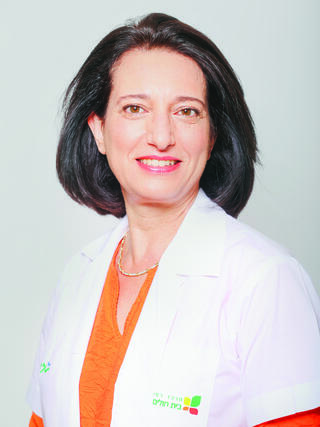 Prof. Rinat Yerushalmi Misheli Photo: Shlomi Yosef
What are the risk factors?
“First, genetic factors, such as carrying a BRCA mutation. It is worth noting that since 2025, women of Ethiopian descent have been eligible for genetic screening under the national health benefits package, as women of Ashkenazi descent are.
“Other factors include a family history of breast, ovarian or pancreatic cancer; breast biopsies showing benign but proliferative changes; breast density; and a history of radiation to the breast, such as during treatment for lymphoma. Starting menstruation at a young age, before 12, reaching menopause late, after 55, and giving birth at a relatively late age are also risk factors.
“All of those factors are beyond our control. Of particular interest are the factors related to our lifestyle: obesity, lack of physical activity, processed and low-fiber foods, as well as drinking alcohol and smoking.”
A pioneering study of colorectal cancer treatment
“Over the past 20 years, there has been an alarming rise in the number of people diagnosed under the age of 50, for reasons that are still not fully understood,” says Prof. Baruch Brenner, head of the Oncology Department at the Davidoff Center at Beilinson Hospital, part of Rabin Medical Center, and chief oncologist at Clalit Health Services. “In the United States, the screening age has already been lowered to 45, and the issue is being discussed in Israel.”
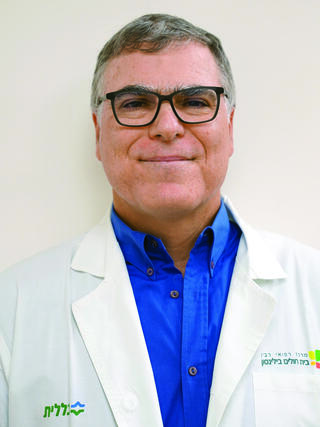 Prof. Baruch Brenner Photo: Beilinson Hospital Spokesperson’s Office
What are the risk factors?
“The main factor is genetic, although in most cases we still cannot identify the specific genetic alteration. That is why, if someone in a family develops colorectal cancer, their children and siblings should all be screened. If a person was diagnosed at 45, their relatives should have a colonoscopy as early as 35. This is the most important test in this context because it can do more than detect the disease early. It can also prevent it if polyps are found and removed.
“The following factors interact with that genetic background: diet, particularly processed foods; hormones and antibiotics in food; radiation exposure from various sources, over which we have less control; stress; and excess weight. Even smoking slightly increases the risk.
“Groups at particularly high risk include people with a family history, people with specific genetic syndromes, such as hereditary nonpolyposis colorectal cancer, or HNPCC, people prone to developing bowel polyps, and people with chronic inflammatory bowel conditions, such as Crohn’s disease or ulcerative colitis.”
What signs should concern us?
“The most common sign is a change in bowel habits. I don’t necessarily mean constipation, but any change in the pattern: if a bowel movement that always happened in the morning starts happening in the afternoon, or if there is constipation followed by diarrhea. Another sign is bleeding: blood in the stool or stools turning black.
“If anemia develops, with or without iron deficiency, the cause could be chronic blood loss. If there is no improvement after taking iron, further investigation is needed. Other symptoms include abdominal pain, pain in the rectal area, loss of appetite and weight loss. I want to emphasize that you can get a referral for the test from a family doctor, not just a gastroenterologist.”
What can you tell us about the study Lior participated in?
“Lior was one of 29 participants in a pioneering study that combined preoperative chemotherapy and radiation with immunotherapy, a drug that activates the immune system against the tumor.
“Based on the very promising results, with tumors disappearing in most patients, an international multicenter study was launched, also under my leadership, to compare this approach with standard treatment. The study is still recruiting patients at Beilinson and nine other centers in Israel and Germany.”