

Dementia is often viewed as an unavoidable consequence of growing older. But updated World Health Organization guidelines offer a different picture: A significant share of the risk of cognitive decline and dementia is linked to factors that can be changed, potentially allowing some cases to be prevented or delayed.
There is no single miracle drug or habit that protects the brain. Instead, the WHO points to factors that accumulate throughout life, including physical activity, managing high blood pressure and diabetes, quitting smoking, treating hearing and vision loss, maintaining social connections and reducing exposure to air pollution.
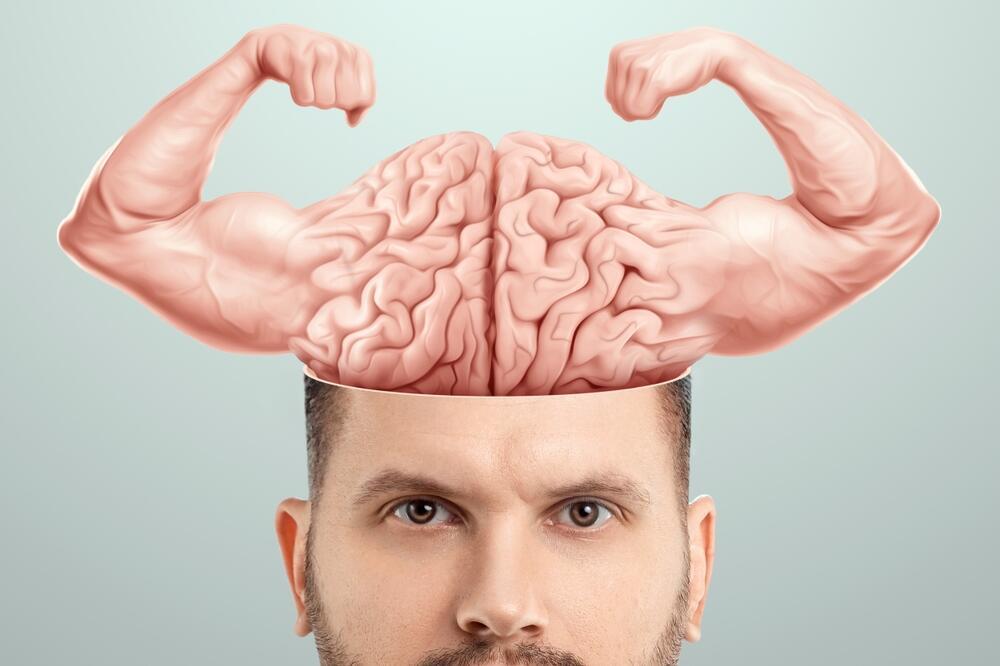
(Photo: shutterstock)
More than 57 million people worldwide live with dementia, with nearly 10 million new cases diagnosed each year. Dementia is not one disease but an umbrella term for conditions that affect memory, thinking and the ability to function independently. Alzheimer’s disease is the most common cause, accounting for about 60% to 70% of cases.
There is still no cure for dementia, making prevention and risk reduction increasingly important.
It’s not just genetics
“Dementia is often perceived as an inevitable consequence of old age, but the World Health Organization’s new guidelines offer a different picture,” said Prof. Michael Davidson, a psychiatrist and chairman of the Israeli Medical Center for Alzheimer’s.
“A significant part of the risk of cognitive decline and dementia is associated with factors that can be modified, and in some cases potentially prevented or delayed.”
The updated recommendations expand on WHO guidance first issued in 2019, adding greater emphasis on environmental factors and on combining several interventions.
“Up to 45% of dementia risk can be attributed to modifiable risk factors,” Davidson said. “These include smoking, alcohol consumption, physical inactivity, social isolation, air pollution and chronic illnesses such as hypertension and diabetes.”
But that does not mean a healthy lifestyle can guarantee protection.
“It means there are factors we can influence and, by doing so, reduce overall risk,” he said.
Regular exercise is among the measures recommended, alongside controlling high blood pressure, diabetes and high cholesterol. Smoking and excessive alcohol consumption also affect brain health, not only the risk of cancer and cardiovascular disease.
Prof. Kristine Yaffe of the University of California, San Francisco, summarized the connection in an interview with TIME: “Anything you think is going to be bad for your heart turns out to be important for your brain.”
Five related factors, high LDL cholesterol, obesity, hypertension, physical inactivity and type 2 diabetes, together account for about 14% of potentially modifiable dementia risk, according to a Lancet commission.
Hearing loss is more than an inconvenience
One of the more striking recommendations concerns hearing loss.
“The new guidelines say hearing aids can be offered to adults with hearing loss as part of a strategy to reduce cognitive risk,” Davidson said.
Dr. Nati Blum, CEO of EMDA, Israel’s Alzheimer’s and dementia association, said hearing loss should not simply be dismissed as part of aging.
“Hearing loss is not just a matter of turning up the television or struggling to follow a conversation in a restaurant,” she said. “Untreated hearing loss is also associated with social isolation, loneliness and impaired communication, and is recognized as one of the factors associated with an increased risk of cognitive decline and dementia.”
The randomized ACHIEVE clinical trial found that hearing intervention slowed cognitive decline over three years among people at higher risk. Vision impairment has also been added to the broader list of factors associated with modifiable dementia risk.
Exercise the brain, but don’t rely on crosswords
The WHO also recommends cognitive stimulation and social activity for older adults with normal cognition and for people with mild cognitive impairment.
Research increasingly suggests that combining several interventions may be more useful than focusing on any one measure.
The U.S. POINTER trial, published in JAMA in 2025, examined a program combining exercise, the MIND diet and social activity. Participants showed cognitive improvement after two years, particularly in planning and problem-solving, although the study did not establish whether this ultimately reduced their likelihood of developing dementia.
Blum warns against reducing brain health to puzzles and memory games.
“One widespread belief is that if we just do enough crosswords, Sudoku or memory games, or read enough books, we will ‘train the brain’ and prevent dementia,” she said.
“Cognitive activity and learning are certainly part of an active and healthy life, but brain health is not an app, a crossword puzzle or a dietary supplement.”
Sometimes, she said, protecting the brain means doing something far more basic: checking blood pressure, treating diabetes, having hearing tested or simply leaving the house and meeting other people.
What about vitamins?
Here the WHO message is less encouraging for those looking for a quick fix.
“WHO does not recommend the routine use of vitamins to reduce the risk of cognitive decline or dementia when no nutritional deficiency has been diagnosed,” Davidson said.
“The message is not ‘take a brain supplement,’” he added. “The more meaningful interventions are connected to overall health and managing risk factors over time.”
Blum said another common misconception is that dementia prevention only becomes relevant in a person’s 70s or 80s.
“The risk of dementia accumulates throughout life,” she said. “A 45- or 50-year-old with untreated hypertension may not think of themselves as someone who needs to ‘protect their brain.’ But protecting the brain is not one action. It accumulates through the way we care for our bodies and our health over many years.”
When forgetfulness becomes a warning sign
Occasionally forgetting a name or walking into a room and forgetting why is not the same as dementia.
The more important question, Blum said, is whether there has been a change from a person’s previous level of functioning and whether it is beginning to interfere with everyday life.
Warning signs include repeatedly asking the same questions, becoming disoriented in familiar places, struggling with previously routine tasks such as paying bills or taking medication, worsening difficulty finding words, unexplained changes in judgment or behavior, or relatives noticing a persistent decline.
None of these symptoms alone proves someone has dementia. Memory problems can also result from depression, sleep disorders, medications, thyroid conditions, nutritional deficiencies and other medical problems.
That is why, Blum said, people should neither diagnose themselves nor dismiss changes as “just age.”
Early evaluation can help identify treatable causes, clarify what is happening and allow patients and families more time to prepare.
“Brain health does not begin on the day we start forgetting,” Blum said. “It begins years earlier, in the way we live, care for ourselves and respond when something changes.”
The WHO estimates dementia costs the global economy about $1.3 trillion annually, roughly half of it through unpaid care provided by relatives and friends.
The underlying message of the new guidelines is simple: There is no guaranteed way to prevent dementia, but protecting the brain can begin decades before memory problems appear.