

An altitude of 30,000 feet completely alters our physiology and how our bodies respond to substances we ingest.
The combination of low barometric pressure, reduced oxygen levels and extreme dryness can alter the effects of routine medications, potentially making them health hazards.
Here are the scientific facts you must know before your next flight:
1. Opioid painkillers (like codeine) are more dangerous at high altitudes
At cruising altitude, cabin pressure naturally results in lower oxygen levels than at ground level. A common and well-known side effect of medications like codeine, tramadol or Percocet is respiratory depression—slowing down the breathing rate.
The combination of thin cabin air and the drug's effect can lead to a sharp, sudden drop in blood oxygen levels. This can cause severe dizziness, confusion and even shortness of breath that you would never experience on the ground.
2. Cold medicine can damage your eardrums during landing
Many passengers take decongestants (such as Sudafed or Claritin-D) to prevent ear pain caused by a blocked Eustachian tube.
However, if the medication wears off during the flight, the body experiences a "rebound effect." The blood vessels in the nose and ears constrict and then suddenly dilate, causing congestion that is far more severe than before.
If this happens exactly during descent, the air pressure in the middle ear will fail to equalize. This can lead to intense pain and, in extreme cases, a ruptured eardrum.
3. Sleeping pills on a plane triple the risk of blood clots
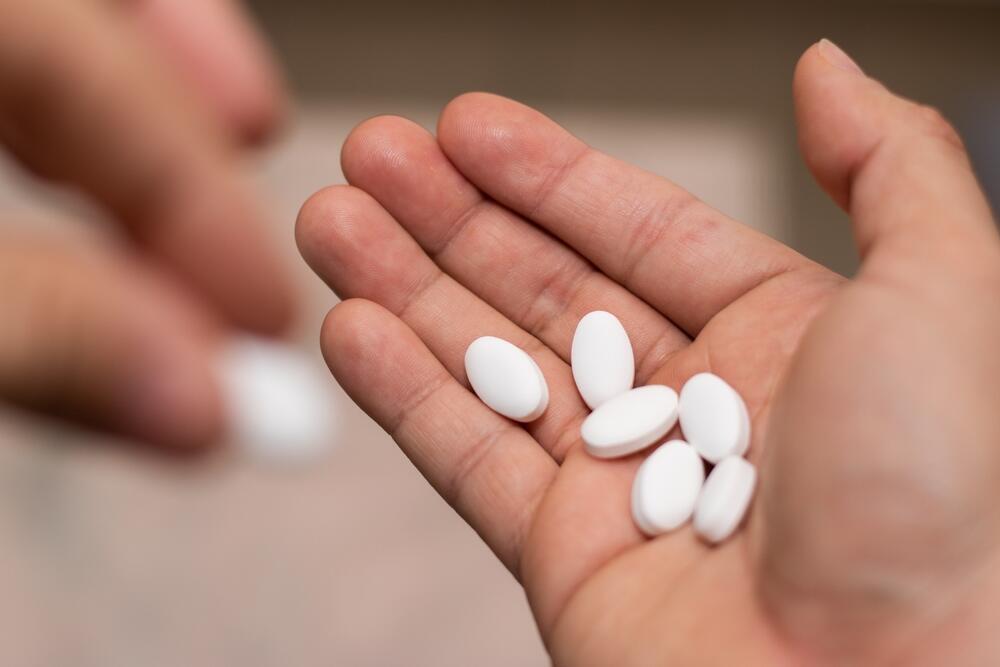
It is well known that flying increases the risk of blood clots (DVT) due to cramped seating. In reality, the primary culprit is immobility. Strong sleeping pills or sedatives shut down the body's natural movement mechanisms.
(Photo: Diomedes Cordero Acevedo / Shutterstock)
While we unconsciously shift and engage our muscles during sleep on the ground, a passenger on a plane, under the influence of a sleeping pill, remains completely motionless for prolonged periods in a cramped position, severely restricting blood circulation in the legs.
4. The cargo hold is a danger zone for liquid and biologic medications
The temperature in the aircraft's lower cargo hold (where checked baggage is stored) is not climate-controlled like the passenger cabin and can drop below freezing. For sensitive medications such as insulin, EpiPens or protein-based biologics, freezing can completely alter their molecular structure, rendering them useless.
Therefore, it is mandatory to pack these medications strictly in your carry-on luggage, and it is highly recommended to use a temperature-controlled travel case, as the cabin itself can also experience temperature fluctuations and may become either very hot or very cold during travel
5. Atmospheric pressure impacts suspensions and drops
As the aircraft climbs, the air pressure inside medication bottles sealed on the ground remains high, while the cabin pressure drops. This physical law causes liquids and air inside the bottle to expand.
Consequently, when opening eye drops or pediatric liquid antibiotics at high altitudes, the fluid can suddenly spurt or leak out due to rapid pressure equalization, leading to the loss of critical doses. To prevent this, slightly loosen the bottle cap during takeoff to allow the pressure to equalize gradually.
6. Airplane air conditioning dries the skin and boosts the efficacy of medical ointments
The air in the passenger cabin is exceptionally dry (frequently dropping below 20% humidity, compared to 50% or higher on the ground). This extreme dryness compromises the skin's natural barrier, making the pores and stratum corneum far more permeable.
 TempraMed CEO Ran Nagar Photo: TempraMed
Anyone applying medicated topical ointments or therapeutic creams will experience a significant benefit, as the active ingredients are absorbed and penetrate the skin much more easily and effectively than under normal humidity conditions.
7. The 3-1-1 liquids rule does not apply to medications (but requires declaration)
Many passengers accidentally discard expensive liquid medications or syrups at airport security checkpoints out of fear of the TSA's strict liquid regulations. The truth is that aviation security agencies worldwide, including the TSA, officially exempt medications from this rule. You are permitted to bring liquid medications, injectables or medical gels in volumes exceeding 3.4 ounces (100 ml), provided you declare them in advance and place them in a separate bin for screening.
Many medications do not behave the same way in the air as they do on the ground. Understanding these factors and preparing properly will ensure your medications remain effective and your flight passes safely, preventing health incidents caused by a lack of awareness regarding the effects of high altitude.
- The author is the CEO of TempraMed.