

A deadly outbreak of a hantavirus-linked illness has killed three people aboard the cruise ship MV Hondius as it sailed in the South Atlantic Ocean, prompting an international medical response and raising questions about how the virus spread at sea.
The vessel, operated by the Dutch company Oceanwide Expeditions, departed from Ushuaia, Argentina, on March 20 and has spent about six weeks at sea, with stops including Antarctica and the remote island of St. Helena. It is currently positioned several hundred kilometers off the west coast of Africa, near Cape Verde, with about 150 passengers and 71 crew members on board, including one doctor.
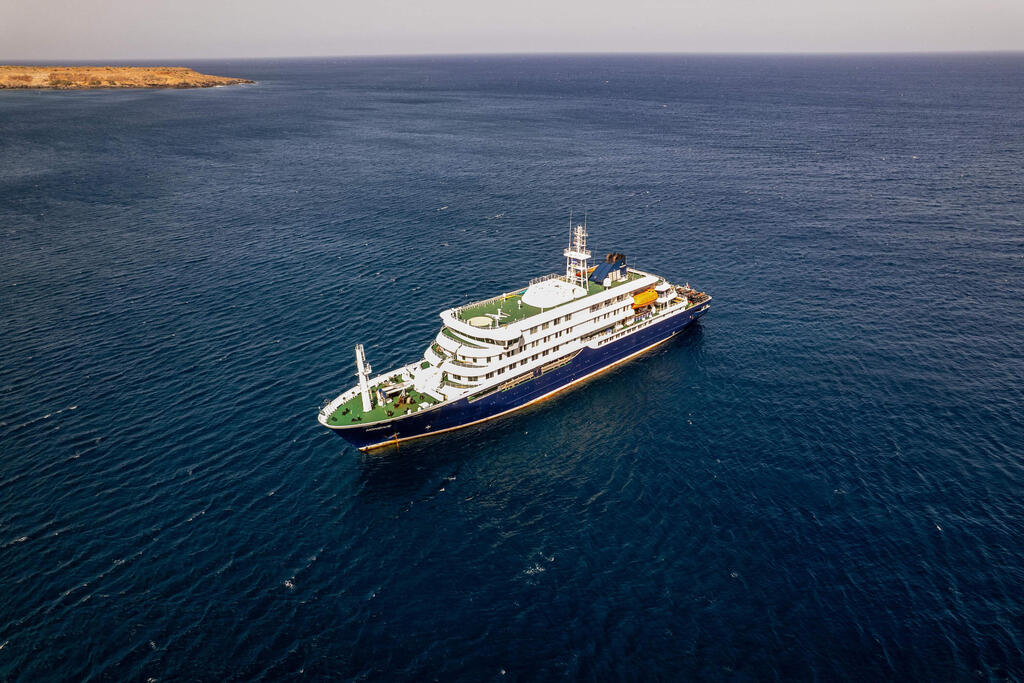
Health authorities say at least six people have developed symptoms consistent with Hantavirus infection. Three have died, one British passenger is in critical condition in a hospital in Johannesburg, and two crew members with active symptoms remain on the ship.
The World Health Organization confirmed that one case has been laboratory-verified, while five others are considered suspected. Genetic sequencing is underway to determine the exact strain.
Victims and evacuations
The first reported victim, a 70-year-old Dutch man, developed fever and abdominal symptoms mid-voyage and died before or upon the ship’s arrival at St. Helena. His body was taken ashore. His 69-year-old wife was evacuated to South Africa, where she later died in a hospital. Dutch authorities confirmed both were citizens of the Netherlands.
A third victim has not been publicly identified and is believed to have died aboard the ship.
A 69-year-old British passenger fell ill near Ascension Island and was evacuated to South Africa, where he tested positive for hantavirus. He remains hospitalized in intensive care in Johannesburg.
Authorities in Cape Verde have boarded the vessel to assess the situation but have not authorized passengers to disembark or confirmed medical evacuations for those still on board.
Containment efforts underway
The Dutch government said it is working to coordinate medical evacuations, including the removal of at least one deceased individual. The World Health Organization is assisting with logistics and risk assessment.
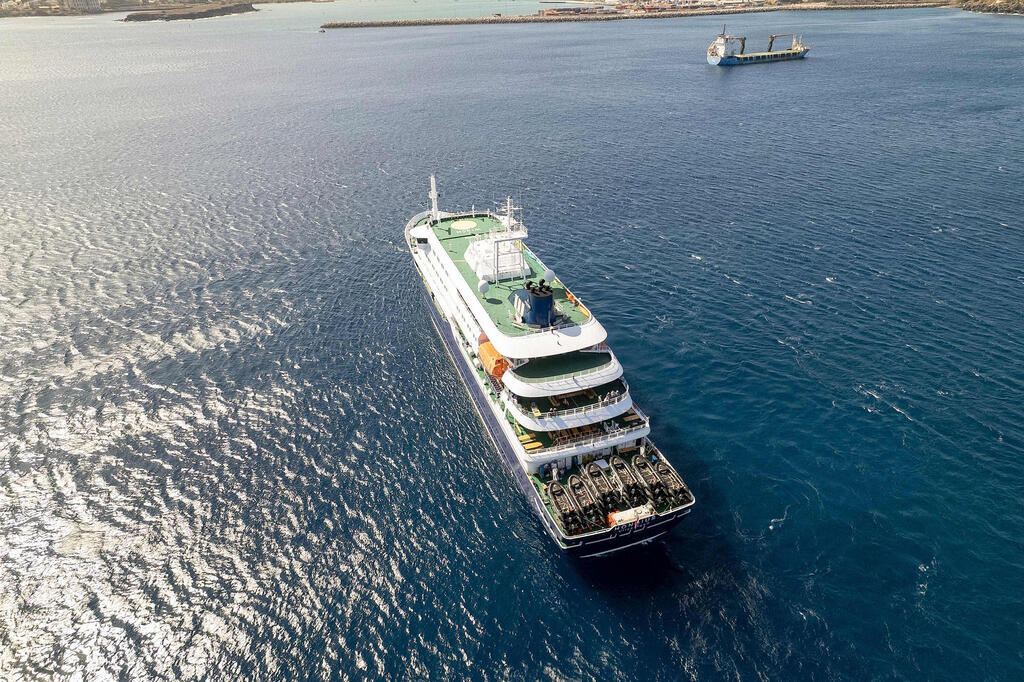
Passengers on MV Hondius cruise ship die from Hanta virus
(Photo: AFP)
WHO Director-General Tedros Adhanom Ghebreyesus emphasized the need for a rapid, coordinated response, while the agency’s Europe director Hans Henri Kluge said the risk to the general public remains low and that no travel restrictions are currently needed.
Unclear source of outbreak
Experts say it remains unclear how the virus, which is typically transmitted through contact with infected rodents or their droppings, appeared on a ship in the open ocean.
In most cases, hantaviruses do not spread between humans. However, some specialists point to the possibility of infection with the Andes virus, a rare strain found primarily in Argentina and Chile that can spread person to person.
Another possibility is environmental exposure aboard the vessel, such as contamination from rodents.
Health officials in Argentina’s Tierra del Fuego province, where the journey began, said no hantavirus cases have been reported there. However, the virus is endemic in other parts of Argentina and Chile, and its incubation period can range from one to eight weeks, meaning a passenger could have been infected before boarding and only developed symptoms later.
About hantavirus
Hantavirus infections can begin with flu-like symptoms, including fever, chills and muscle aches, but can rapidly progress to severe respiratory illness as fluid accumulates in the lungs. The disease has no specific treatment or vaccine, and mortality rates can reach 35% or higher, particularly among older adults or those with weakened immune systems.
Passengers remain confined to the ship as health authorities continue to monitor the situation and determine next steps. The vessel is expected to continue toward the Canary Islands after medical operations are completed.