

We had barely gotten used to the demise of the term "anti-aging." That was it, we were told. We no longer do anti-aging, and we no longer fight the aging process. Instead, we do everything we can to stay healthy, fresh-faced and firm until the very end. Pre-Juvenation is part of the longevity movement, and its message is simple: tackle the worst of aging while you're still young and wrinkle-free.
Yes, the beauty and aesthetics industry is undergoing a cultural revolution that supposedly rewrites everything we thought we knew about metabolism, age and beauty. But ultimately, it is asking us to do the same thing it always has: do everything you can, and preferably a little more, to freeze time.
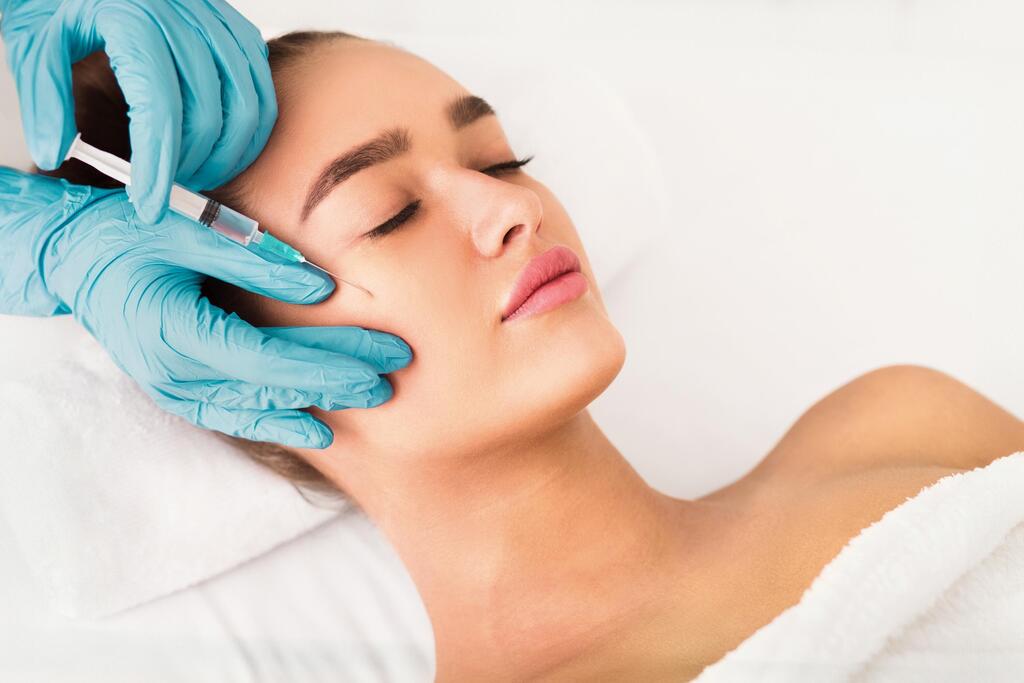
The Pre-Juvenation trend, a combination of the words "prevention" and "rejuvenation," has become a hot topic among Gen Z and younger millennials, people in their 20s and 30s who want to get ahead of the problem. Instead of fighting the effects of aging after they appear, they are choosing to manage their skin's biology proactively and scientifically.
This approach stems from a worldview that regards facial skincare as an integral part of overall wellness and cellular longevity. The goal is to maintain optimal tissue resilience over the years, based on the belief that early maintenance is key.
Beauty consultant Josephine Forsberg, writing about the trend in Vogue Scandinavia, describes a clear shift away from reactive aesthetic treatments toward preventive approaches rooted in skin biology. She notes that people in their 20s today have a more sophisticated understanding of skincare and recognize that preserving collagen at a young age may help them avoid more invasive treatments later in life.
A long-term investment
Until just a few years ago, beauty clinics primarily offered muscle-freezing Botox, volumizing injections and wrinkle fillers. Today, the language has changed. These treatments have given way to concepts such as "boosting cellular metabolism" and "optimizing skin function."
This cultural shift is being driven by a generation unwilling to wait for problems to appear. Young people analyze dermatological studies on social media, consult specialists from an early age and view their skin health much as they view proper nutrition or physical activity. And they are not just talking about it. They are taking action.

Unwilling to wait for problems to appear
(Photo: Shutterstock/ASAP creative)
According to an article about the trend published on RefinedMD, a website featuring medical and dermatological expertise, Gen Z increasingly rejects the idea of fighting wrinkles, viewing the term as outdated and almost offensive. Instead, young people prefer to focus on aging well, embracing an approach in which early treatment is seen not as an attempt to stop the clock, but as a long-term investment in skin resilience.
A 2026 trend analysis published in the design and culture magazine Wallpaper highlighted the growing convergence of aesthetic medicine and the longevity movement, with an increasing focus on smart mapping and precision technologies designed to help tissues maintain their optimal biological condition for decades.
So what exactly are they doing? To put the Pre-Juvenation philosophy into practice, leading clinics across the United States are already offering a wide range of gentle procedures for younger skin. Rather than changing facial features, these treatments are designed to stimulate the body's natural repair mechanisms. Examples include:
1. Energy-based treatments and laser technologies
Nonablative fractional lasers: Advanced devices that operate at specific wavelengths, penetrating the dermis without damaging the outer epidermal layer. They create controlled microscopic thermal injuries that stimulate fibroblasts, the cells responsible for producing collagen and elastin, with the aim of rebuilding skin density long before any sagging becomes visible.
Radiofrequency (RF) devices: These devices use controlled heating of the deeper layers of skin. The heat encourages the immediate contraction of existing collagen fibers, alongside the longer-term production of new fibers, with the goal of giving the skin a firmer, denser texture and a radiant appearance from within.
High-intensity focused ultrasound (HIFU), at customized treatment levels: Sound waves reach the deepest layers of the skin and are intended to encourage structural renewal, helping prevent the loss of firmness commonly associated with the jawline and neck.
2. Fascia treatments and connective tissue tightening
Fascia is the connective tissue that surrounds the facial muscles. Over the years, a decline in the tension of this tissue contributes to facial sagging. Advanced treatments, combining specialized devices with hands-on clinical techniques, target this deeper layer with the aim of preserving a defined jawline, naturally lifted eyebrows and structural support for the face.
3. Biostimulation and advanced regenerative ingredients
PDRN and polynucleotide injections: These substances are injected in low concentrations across the face. Rather than adding volume or altering facial features, as hyaluronic acid fillers do, they are promoted as a form of "cellular fuel" that accelerates cellular DNA repair, improves blood circulation and strengthens the skin barrier.
Advanced medical mesotherapy and peptide cocktails: Complexes of amino acids, antioxidants and vitamins are delivered directly into the inner layers of the skin through microscopic punctures. The aim is to stimulate cellular metabolism and achieve the smooth, luminous appearance known as "glass skin."
Exosome treatments: Exosomes are tiny particles that transmit biological signals between cells. Treatments using them are promoted as a way to encourage rapid tissue repair and restore the skin's youthful functioning.
Baby Botox: A trend involving preventive Botox injections at low doses. Minimal amounts of neurotoxin are administered to areas prone to frequent muscle movement, such as the forehead or the outer corners of the eyes. The goal is not to "freeze" the muscles, but to prevent facial expressions from creating future wrinkles while fully preserving natural facial movement.
The gym and self-love
The Pre-Juvenation approach tells us something about the changing attitudes toward skincare among younger generations. Just as they are committed to going to the gym from a very young age (how many of us went to the gym three times a week at 16?), they are taking a similar approach to their skin. They choose to manage their entire skincare routine with awareness, science and self-love, and they are willing to spend considerable amounts of money on it.
Yet despite the appeal of all these new technologies, aesthetic medicine experts remind us that none of them can replace the fundamentals: a smart skincare routine that includes strict sun protection, since sun exposure is a major cause of collagen breakdown, a healthy diet, adequate hydration, deep sleep and stress management.