

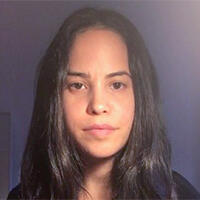
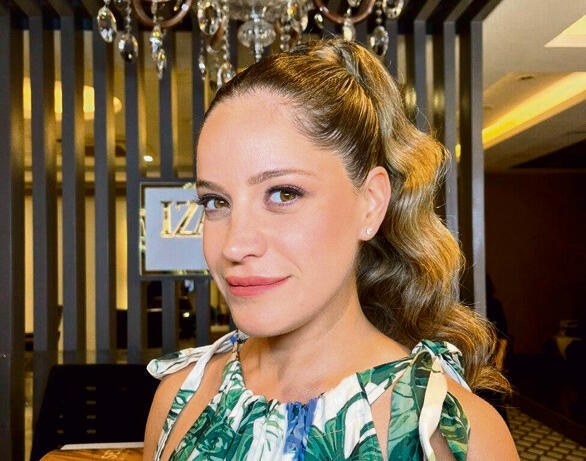
The tragedy of Reut Cohen, a 35-year-old from Ra’anana who died in her eighth month of pregnancy with twins, continues to shock her family and friends. Her brother, Itai, told ynet Saturday night that Reut was discharged from Meir Medical Center in Kfar Saba just one day before she collapsed and died. She had been examined in the emergency room at Sheba Medical Center a week earlier and was also sent home. In an emergency C-section performed at Meir after she collapsed, doctors tried to deliver the twins she was carrying in her 30th week of pregnancy, but they were stillborn.
“This loss could have been unequivocally prevented,” her brother Itai told ynet. Meir Medical Center said the cause of death has not yet been determined and that the incident was reported to the Health Ministry, but did not respond to the family’s claims. The Health Ministry has also not yet responded. ynet has learned that at the request of Reut’s parents, her body will not be sent for an autopsy at the Institute of Forensic Medicine, meaning many questions will likely remain unanswered.
A week of pain and two discharges
A week before her death, in the eighth month of her pregnancy, Reut woke up in the middle of the night with severe pain. “Screaming, unable to move, pain along the entire spine and pressure in the abdomen,” her brother said, citing WhatsApp messages Reut had sent him. Her partner called an ambulance, and she was rushed to Sheba’s emergency room. According to Itai, she was told there that one of the fetuses may have been pressing on an organ or nerve, and she was sent home.
Two days later, when the lower abdominal pain did not subside, she went with her mother to Meir Medical Center. There, an MRI showed that one of the twins was pressing on a kidney. Reut was hospitalized. On the second day of her hospitalization, a gynecologist came to see her and, according to the family, told her that “it is unpleasant, but there is nothing to do about the pain.” On Thursday, she was discharged. About 24 hours later, she collapsed at home.
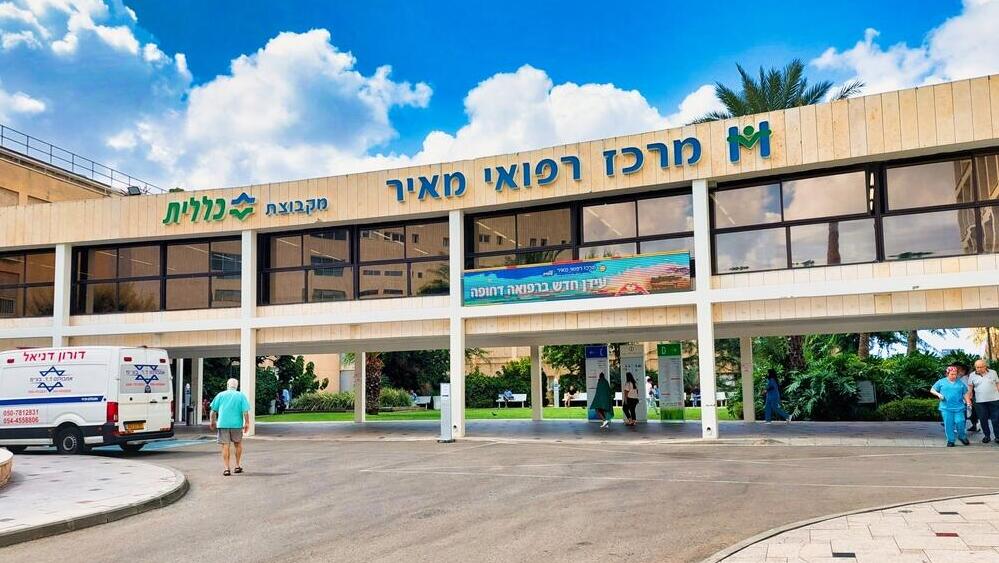
Meir Medical Center’s statement does not address the claims made by Reut Cohen’s relatives
(Photo: quartetworld / Shutterstock.com)
The Magen David Adom team called to her home found her unconscious, without a pulse and not breathing. Resuscitation efforts were performed, and medics fought for her life as her pulse returned intermittently until she arrived at the hospital, where the Meir team continued prolonged resuscitation efforts that ultimately failed.
Was preeclampsia considered?
The family is convinced Reut died of preeclampsia, a condition in which blood pressure rises to life-threatening levels during pregnancy and can be diagnosed with simple blood and urine tests. “We do not understand how none of the tests detected it,” Itai said. Meir Medical Center neither confirmed nor denied the claim. The professionals who review the case will need to answer whether the abdominal pain, severe back pain and MRI findings justified actively ruling out preeclampsia, particularly in a twin pregnancy, which is considered high-risk.
'We are angry because we do not understand how none of those tests and hospitalizations detected that she had preeclampsia. We would like answers from the hospitals as to how they failed to detect it. This enormous loss could have been unequivocally prevented if they had found it'
Did Reut’s pain receive proper weight?
Reut went to two different emergency rooms on separate occasions with complaints of extreme pain, and in both cases, she was sent home. At Sheba, her pain was explained as a normal phenomenon in pregnancy. Meir hospitalized her but later discharged her. The question that will need to be central to any review is whether the medical system seriously considered the full picture: a woman with a high-risk twin pregnancy, recurring and worsening pain and two ER visits within a week because of severe pain.
What will the review find?
Meir Medical Center said the incident was reported to the Health Ministry. It remains to be seen whether the review will focus only on the treatment in the final 24 hours or examine the full sequence of events. Itai said: “We are angry because we do not understand how none of those tests and hospitalizations detected that she had preeclampsia. We would like answers from the hospitals as to how they failed to detect it. This enormous loss could have been unequivocally prevented if they had found it.” It should be noted that according to Meir Medical Center’s official version, the cause of death has not yet been determined.
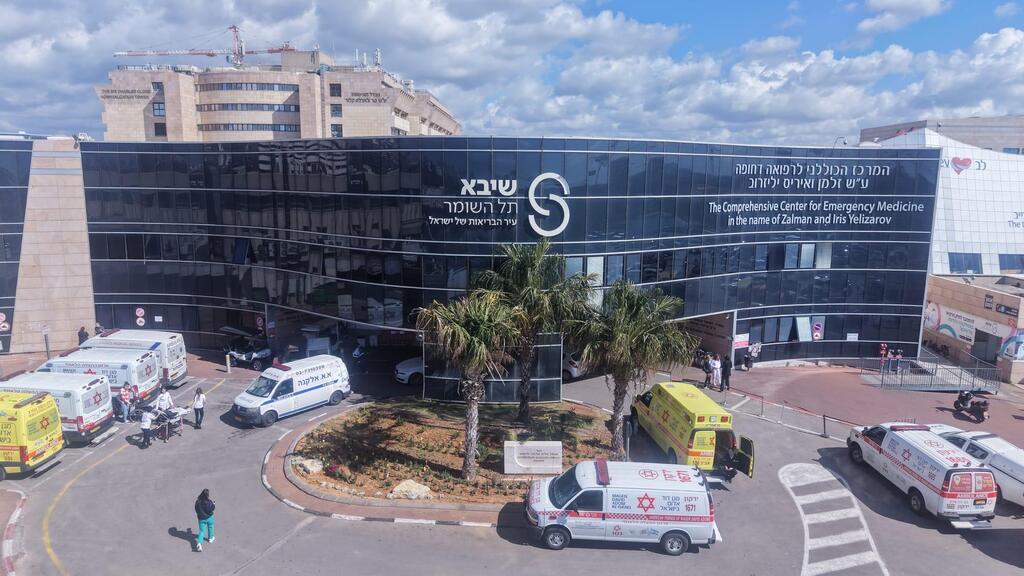
Sheba Medical Center; Reut Cohen was rushed there a week before her death and was discharged shortly afterward
(Photo: Sheba spokesperson)
Why is Meir still silent?
Meir Medical Center issued a brief official statement about the circumstances of her arrival and the rescue efforts, but did not address the family’s claims in substance, including which tests were or were not performed and the discharge decisions.
Sheba Medical Center said in response: “We share in the family’s deep sorrow over their painful loss. Every case of maternal death is unusual and difficult and requires a thorough review. Upon learning of the unusual death last night, a professional team was established to examine the case. After an initial review, it appears the patient received comprehensive and professional care from all teams that treated her at Sheba Medical Center in accordance with strict medical standards. Unfortunately, there are extremely rare cases of sudden deterioration that are not necessarily accompanied by early warning signs.
“We are fully cooperating with all relevant parties and will provide any information required to Meir Medical Center of the Clalit Group and to the Health Ministry for a comprehensive review of the circumstances of the case.”
When the incident was first reported, Meir Medical Center said Reut had been rushed to the hospital in critical condition, “while undergoing resuscitation efforts after collapsing at home. Upon her arrival, an emergency C-section was performed in the trauma room, and many teams continued advanced and prolonged resuscitation efforts for the mother and the babies. Despite the many efforts, the medical team was forced to pronounce the mother and babies dead. The cause of death has not yet been determined. The incident was reported to the Health Ministry. We share in the family’s deep sorrow.”
Despite that statement, as long as Meir Medical Center avoids addressing the sequence of events described by the family in any substantive way, the picture remains highly incomplete, making it difficult to understand what actually happened in the week before the tragedy.
When will an inquiry committee be appointed?
In cases of maternal death, one of the rarest and most serious events in Israeli medicine, it is customary to appoint an independent inquiry committee. The incident was reported to the Health Ministry, but the ministry told ynet that as of now, no official investigation has been opened. The question is not only when, but whether the review will include the full sequence: the two ER visits, the MRI findings and the decisions that led to her discharge on Thursday, just one day before the tragedy.