

Cases of oral cavity and pharyngeal cancer have risen in recent years, mainly among men, driven by an unexpected factor: human papillomavirus, best known for causing cervical cancer in women. The link lies largely in sexual behavior, particularly oral sex.
Oral and pharyngeal cancers are among the most common worldwide and in Israel. While smoking and alcohol remain major risk factors, recent studies show that HPV-related cancer of the tonsils and base of the tongue, the oropharynx, has become an increasingly significant cause of disease. Some data indicate that HPV-related oral and pharyngeal cancer in men is now more common than cervical cancer in women.

(Photo: Shutterstock)
Men are more frequently affected because the most common route of infection leading to cancer is oral sex. This drew public attention several years ago when actor Michael Douglas disclosed that he developed oral cancer under these circumstances.
HPV includes multiple strains, some causing warts and others leading to cancer. High-risk strains are mainly transmitted through sexual activity and can cause penile cancer in men and cervical cancer in women in about 99% of cases, as well as vaginal cancer and fertility problems in both sexes.
Health experts stress the importance of vaccinating boys and girls before they become sexually active. In Israel, the vaccine is given to students in seventh and eighth grades. In countries with high vaccination rates, cervical cancer has been nearly eliminated, and rates of cancerous, precancerous lesions and warts have dropped sharply. The vaccine is safe and effective, with very low side effects. Studies also show benefits from catch-up vaccination at ages 25 to 46, including lower reinfection rates among those previously infected.
Warning signs to watch for
Head and neck cancers are a group of tumors affecting areas such as the oral cavity, pharynx, larynx, including the vocal cords, salivary glands and more. Symptoms vary depending on the tumor’s location, but the most common reasons for seeking medical care include a sore that does not heal in the mouth or tonsils, a lump in the neck, difficulty swallowing, hoarseness, coughing and breathing difficulties.
The main challenge in treating head and neck cancers is their location, which affects essential functions such as eating and drinking, speech and breathing. Treatment must address not only the tumor itself but also potential functional damage. Options include surgery, radiation, chemotherapy and biological therapies, used alone or in combination. For each tumor, treatment must be carefully tailored to provide the best chance of recovery while preserving optimal function.
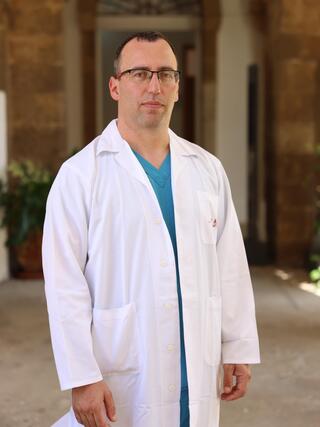 Dr. Yotam ShkedyPhoto: Rambam Health Care Campus
Survival rates are improving
Early diagnosis and multidisciplinary care have been shown to significantly improve recovery rates. In previous decades, survival from head and neck cancers was about 50%. An international study that followed about 3,000 patients over 20 years found a marked decline in mortality.
The study, led by researchers from the otolaryngology department at Rambam Health Care Campus and involving cancer centers in Italy, Australia, Brazil, Germany, India, the United States and Taiwan, showed that cancer-related mortality fell by 12% in the past decade, from 31% to 19%, compared with the previous decade. This decline occurred despite patients being older and having more advanced disease: 14% were over age 70, up from 10%, and 55% had advanced cancer, compared with 45% previously.
A similar trend has been seen in Israel and is attributed to a shift toward a multidisciplinary approach in diagnosis and treatment. Teams that bring together specialists from multiple fields are better able to select optimal therapies, manage complications, restore function and provide long-term follow-up. Patients treated by multidisciplinary teams have significantly higher chances of recovery than those treated by a single physician.
Early diagnosis remains critical, allowing faster treatment at earlier stages. Rambam has recently opened a rapid diagnostic clinic where patients are evaluated by a multidisciplinary team, including ear, nose and throat, oral and maxillofacial and oncology specialists, to develop an initial treatment plan and advance further testing as needed, improving outcomes and reducing treatment-related harm.
Dr. Yotam Shkedi is head of the Head and Neck Surgery Unit at Rambam Health Care Campus.
First published: 20:21, 12.22.25