

If you find yourself struggling with mental distress, the most likely outcome is that your family doctor will prescribe medication, and you will receive no therapeutic support from mental health specialists. That is the picture emerging from a new report by the Physicians for Human Rights Israel nonprofit, based on data provided by Israel's health maintenance organizations (HMOs) in response to freedom of information requests. According to the report, medication has become the primary, and often the only, response to mental distress in the public health system.
The figures are stark. In 2023, Clalit Health Services, presented as a representative example of trends seen across all HMOs, initiated treatment with SSRI, SNRI or TCA antidepressants for 79,000 adults through primary care. Of those, only 12,913 underwent an intake assessment with a mental health specialist, the evaluation used to determine eligibility for treatment. In other words, just 16.4% advanced even one step further in the process. By the end of that process, only 2,718 patients — less than 3.5% — received actual mental health treatment through the public system. Similar trends emerged from data provided by Maccabi Healthcare Services and Meuhedet.
Gallery

Medication has become the primary, and often the only, response to mental distress in the public health system
(Photo: New Africa / Shutterstock)
"In the absence of systematic data collection, we can only speculate about what happened to more than 95% of patients who did not receive psychotherapy or psychiatric treatment through the public system," wrote report author Roni Ben-Cnaan, a health policy advocate at the organization.
The nonprofit also criticized the Health Ministry for failing to collect standardized, systematic data from the HMOs on the scope of mental health treatment, waiting times and patients' progress through the system from initial referral to receiving care.
Waiting a year and a half
The situation has not improved despite the state's recognition of a mental health crisis and the launch of a national program worth more than 1 billion shekels. A survey conducted by the Forum for Public Psychology Organizations in November 2025 found that average waiting times for publicly funded psychological treatment had reached a year and a half.
"That is an unreasonable amount of time for someone experiencing mental distress," said Zohara Silman, a clinical psychologist and representative of the forum. "There is a need for thorough assessment, professional support and a system capable of providing a genuine response, not just a partial solution."
 Roni Ben Cnaan Photo: Photo: Physicians for Human Rights Israel
According to Silman, the crisis reflects long-standing structural problems: a severe shortage of positions, the erosion of community-based psychological services and growing disparities affecting populations that require culturally and linguistically appropriate care. She noted that there are almost no psychologists from Israel's Arab or Ethiopian communities working in the public system.
Those who can afford it often turn to private care, where psychotherapy sessions cost several hundred shekels and psychiatric evaluations or follow-up appointments range from 800 to 2,000 shekels. But shortages of mental health professionals have also led to long waits in the private sector.
Antidepressant use up 15% since the war
The data come amid a sharp increase in demand for mental health services since the Oct. 7, 2023, Hamas attack and the ensuing war.
According to Health Ministry data, the number of antidepressant doses dispensed increased by about 15% after the war began compared with the preceding period. The figure refers to the number of prescriptions filled rather than the number of people taking the medication, where the increase was more moderate.
The trend in Israel mirrors a troubling global picture. A recent study published in The Lancet found that the number of people living with mental disorders worldwide has nearly doubled since 1990, reaching about 1.2 billion in 2023. Since 2019, the prevalence of depression has risen by 24%, while anxiety disorders have increased by more than 47%.
"There is no doubt that the rise in medication use highlights that the system is under severe strain," said Dr. Yael Gillerman, chair of the Israel Association of Family Physicians. "At the same time, even if services were ideal, we would still expect some increase because of the needs created by such a dramatic event. That does not change the fact that there are very significant shortages in the mental health system."
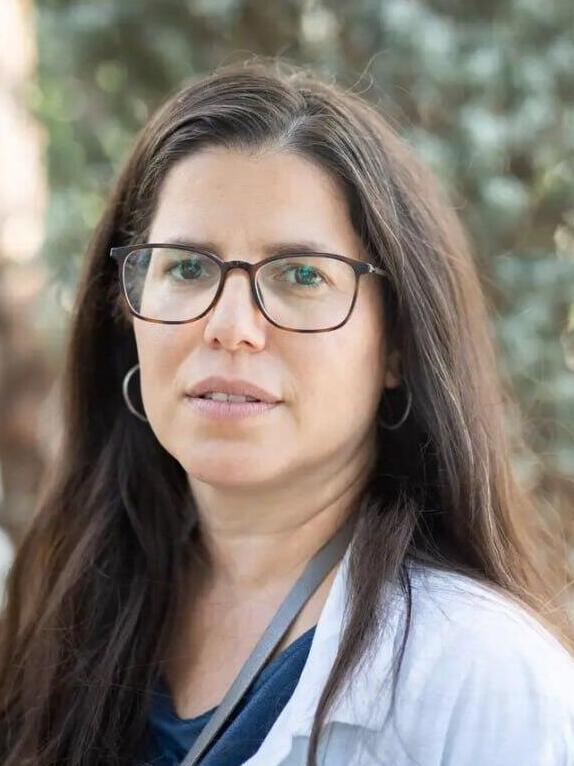 Dr. Yael Gillerman Photo: Hadas Parush
Testimonies from family physicians included in the report suggest that reliance on medication is often driven by systemic constraints rather than clinical preference.
"Sometimes medication is the only treatment tool available. We rely more heavily on drug therapy because of systemic shortages in the field," a family physician from the Sharon region said.
Another physician from Tel Aviv described a more troubling reality: "Many doctors will turn to what they know, such as Vaben. It's a treatment that creates dependency — patients need more and more of it. I've seen patients taking six or seven Vaben pills a day."
A double blow in the periphery
Gillerman stressed that the issue is not one of negligence.
"A patient doesn't tell me they're sad and I immediately prescribe a pill," she said. "We carry out an initial assessment and behavioral interventions, and we decide what can remain under our care and what should be referred elsewhere." Still, she acknowledged the limits physicians face.
"Very often I will start medication and would be happy to refer the patient for complementary care at the same time, but ultimately we work with what exists. Sometimes I start treatment and something isn't working, and I need psychiatric consultation — and sometimes it simply isn't available."

(Photo: Media_Photos / shutterstock)
The report argues that training gaps compound the problem. Many family physicians in Israel do not have specialized training in family medicine, increasing the risk of misdiagnosis and inappropriate treatment. The phenomenon is more common in geographically and socioeconomically disadvantaged areas. Dr. Arin Hajj Yahia, a family medicine specialist, described conditions in Israel's Arab community.
"The need for mental health support keeps growing, but in practice there are almost no services available," she said. "It is nearly impossible to receive treatment in Arabic, which is critical not only linguistically but also because therapists need to understand patients' realities. Many people have no ability to pay for private care."
Mounting pressure
Family physicians have faced steadily increasing workloads in recent years, partly because of an expansion in their responsibilities. Care for diabetes patients, prescribing inhalers and other services that previously required specialist recommendations now often fall under their authority.
"Expanding physicians' authority is a positive development that benefits patients, but it has to come with support and resources," Gillerman said. She said the burden is also driven by shortages of specialists.
"If a patient can't get an appointment with a nephrologist or dermatologist for three months, it eventually comes back to me," she said. "I am an expert in my patients, not in dermatology, nephrology or psychiatry."
The growing volume of digital consultations has added to the workload. "It's very convenient for patients, but it doesn't reduce the burden on doctors," she said. "Patients say, 'I'll send you the medications online so I don't have to bother you,' but it still comes to me. I'm the one entering prescriptions after reviewing the medical file."

(Photo: Diomedes Cordero Acevedo / shutterstock)
Gillerman concluded: "We can serve as the foundation of a strong public health system, but even a strong foundation cannot function if it has no support. Family physicians need a high-quality support network — administrative, social work and nursing staff — that will improve community care and free up time for us to provide real medical treatment. If we collapse, the whole system will fall apart."
Health ministry response
In response, the Health Ministry said, "Family physicians and pediatricians are a central part of the mental health care system. The Health Ministry and the HMOs are working to expand their training and improve access to a variety of treatment tools, including psychotherapy, stepped-care services and medication when necessary.
"Data from the HMOs show that alongside an approximately 15% increase in the use of medications across various areas of mental health care, there has been an increase of more than 40% in the number of therapeutic sessions. This reflects the expansion of services and workforce growth in the field, indicating that most of the increase in care is not based solely on medication.
"At the same time, the ministry is expanding non-pharmacological services, including mental health support workers and brief therapeutic interventions provided by telephone. The ministry also continues efforts to reduce burdens on the system and expand services, particularly for at-risk populations.
"Contrary to the report's claims, the Health Ministry routinely collects data from the HMOs on the scope of services and treatments provided and is currently working to establish a nationwide infrastructure for measuring waiting times in mental health care."