

Weather impacts various aspects of our health. For those who suffer from migraines, the summer heat and seasonal changes can trigger attacks that disrupt daily life. Dr. Oved Daniel, director of the Headache and Facial Pain Clinic at Tel Aviv Sourasky Medical Center, explains the triggers, coping strategies and why migraines should not be accepted as an unchangeable fate.
For most people, summer is a time of enjoyment - extended daylight, sunshine, outings, beaches, ice cream and vacations. But for one in seven people worldwide who suffer from migraines, summer can mean retreating to dark rooms with eyes shut, shielding themselves from the light.

Many migraine sufferers report an increase in both the frequency and severity of their attacks during the summer months. What triggers these summer migraines, and how can they be prevented? Dr. Daniel, a neurology specialist, offers insights.
What is a migraine?
An estimated one million people in Israel suffer from migraines, with women affected three times more often than men. Frequent migraine attacks can significantly impair daily functioning and quality of life. The World Health Organization ranks migraines as the second-most disabling condition globally.
Migraines are typically characterized by moderate to severe headaches, often but not always one-sided, that last between four and 72 hours. They tend to worsen with physical activity and are frequently accompanied by nausea, vomiting, or sensitivity to light and sound. Diagnosis is still clinical, as no definitive biological marker exists.

Dr. Oved Daniel. "Summer migraines are challenging but not inevitable"
(Photo: Shmulik shalish)
About 15% of the general population experiences migraines, and roughly 20% of those have migraines with aura. An aura usually precedes the headache and lasts around 20 to 30 minutes. It commonly involves visual disturbances, such as flashing or zigzag lights or blind spots, but may also include sensory disruptions or speech difficulties.
What triggers migraines in summer?
Of the million-plus migraine sufferers in Israel, about 200,000 are believed to have chronic migraines. The condition is caused by an inflammation in nerve endings of blood vessels within the brain’s protective membranes.
Genetics plays a major role, i.e., people with migraines often have a parent or both parents who also suffer from this condition. However, a wide range of triggers can spark an attack, including hormonal changes, certain foods, stress and lack of sleep. Summer brings several key triggers to the forefront.
A 2024 study found that 49% of participants identified weather changes as a migraine trigger. A 26.5% rise in humidity correlated with a 28% increase in the likelihood of a migraine attack, particularly between April and September.
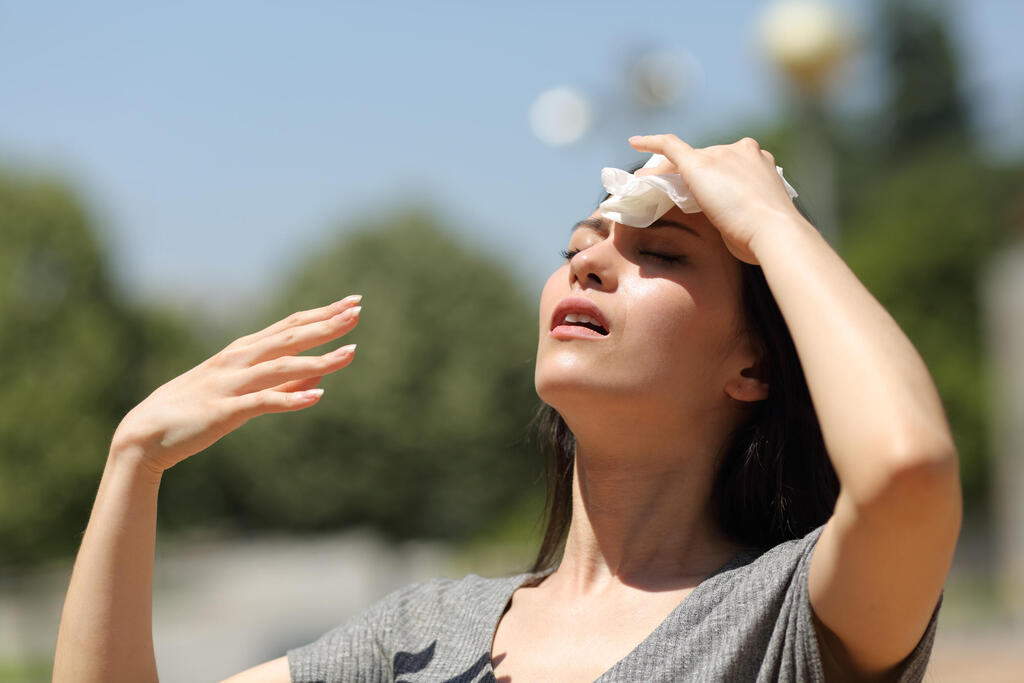
Weather changes identified as a migraine trigger
(Photo: Shutterstock)
Disrupted sleep from daylight saving time
Irregular sleep is one of the most well-known migraine triggers. Even a one-hour shift to daylight saving time can disrupt the body’s internal clock and affect sleep quality.
Another 2024 study, published in Neurology International, examined how the transition to and from daylight saving time influences migraine frequency. It found a 6.4% increase in migraine attacks in the week following the switch to daylight saving time, compared with a 5.5% drop in the week after returning to standard time. The findings suggest that the transition disrupts alignment between the biological and social clocks, potentially triggering more migraine episodes.
Heat and dehydration
A 2009 Boston study published in Neurology found that a 5-degree Celsius (41 F) increase in temperature raised the risk of a migraine attack by about 7.5 percent.
Dehydration, common in the summer, is another major contributor. Insufficient fluid intake reduces blood volume, disrupts physiological processes, and increases the sensitivity of the nervous system.
Research has shown that sufficient fluid intake can significantly lower the frequency of migraine attacks.
Disrupted routines, longer exposure to daylight
Summer often brings changes to daily routines: vacations, travel, irregular sleep schedules and meals at unusual hours. These disruptions can interfere with the body’s internal rhythm and contribute to the onset of migraines.
Extended daylight exposure also plays a role: people with migraines tend to be more sensitive to light, and longer daylight hours reduce melatonin production. This hormone not only regulates sleep but also affects pain sensitivity. A 2010 study published in Headache reinforced this connection.
Barometric pressure shifts
A less commonly discussed but noticeable summer phenomenon is the fluctuation in barometric pressure. A sharp drop in atmospheric pressure can alter the pressure of fluids inside the skull, potentially triggering migraines in some individuals. While not every migraine sufferer is sensitive to such changes, scientific research supports this as a valid trigger.
Increase in air pollution
Recent years have seen wildfires fueled by extreme weather. These fires, occurring particularly during summer, increase smoke and air pollution, which have been identified as another migraine trigger. Fine particulate matter less than 2.5 microns in diameter (PM2.5), abundant in wildfire smoke, penetrates deep into the lungs and can affect the central nervous system.

Wildfire smoke and air pollution are migraine triggers
Photo: Damage from the wildfire in the Jerusalem hills
(Photo: Shaul Golan)
A 2018 study published in Headache found a link between high PM2.5 levels and increased emergency room visits for migraines. Exposure to these toxic particles can elevate pro-inflammatory cytokines and activate the trigeminal nervous system, a key mechanism in migraines.
In short, there is a documented biological explanation showing that air pollution, including wildfire smoke, may increase susceptibility to attacks.
Studies indicate a clear link between summer conditions and increases in migraine episodes. Understanding this link can contribute to diagnosis, prevention and effective treatment for migraine sufferers during this period.
Managing the controllable
While we cannot change the weather or delay sunset, there are practical steps individuals can take to reduce the risk of migraine attacks:
• Maintain a consistent sleep schedule, even during vacations
• Stay well hydrated - aim for at least two liters of water daily
• Stick to regular meal times
• Protect yourself from the sun with hats, sunglasses and shade
• Plan ahead to avoid exposure to extreme temperatures or stress changes
Summer migraines are challenging but not inevitable. With awareness, preparation and consultation with a physician or neurologist, whether for acute or preventive treatment, the hot season can still be enjoyable.
- Dr. Oved Daniel is the director of the Headache and Facial Pain Clinic at Sourasky (Ichilov) Medical Center in Tel Aviv.