

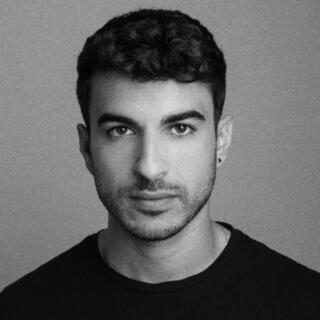
On his 19th birthday, while swimming in a pool, Ofek Keesing’s life turned upside down. His mother rushed in, pulled him out of the water and said: “We have to go to the hospital now.”
A few months earlier, at 18, he began experiencing pain in his leg. He kept training, running and preparing for an elite IDF unit, but the pain grew worse. Eventually, he switched to swimming, the only activity he could still manage. That birthday, however, he received the diagnosis that changed everything: bone cancer.
“My mom took me to the hospital, and from there my whole life was different,” recalls Keesing, now 27 and living in Ofra. “There were doctors, social workers, my parents — and then they told me I had bone cancer and needed immediate chemotherapy. It didn’t sink in. That Thursday, I got the news. By Sunday, I was already getting chemo.”
A rare cancer in teens and children
Dr. Yair Gorchak, head of the orthopedic oncology department at Tel Aviv Sourasky Medical Center, has been with Keesing from the start.
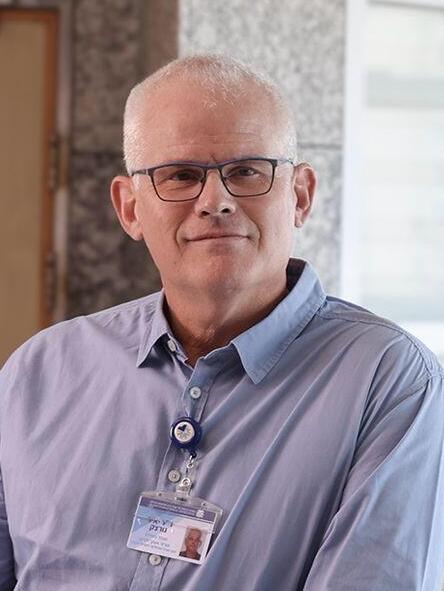 Dr. Yair GorchakPhoto: Tel Aviv Sourasky Medical Center
“He was referred to us young, after a biopsy elsewhere, with suspected bone cancer in his femur,” Gorchak explains. “The diagnosis was osteosarcoma — a malignant tumor in the distal femur, rare and aggressive, usually striking children and teenagers. Only about 30 cases are diagnosed in Israel each year. It progresses rapidly — pain, swelling or sudden limping — and without treatment, survival is impossible.”
Keesing endured 18 chemotherapy sessions and several surgeries to remove the tumor. “The plan was to weaken the cancer with chemo and then cut it out,” he says. But complications quickly mounted. During a weekend with relatives, he collapsed in a bathroom, convulsed and broke his thighbone where the tumor was. “From there, the orthopedic complications started, on top of the chemo,” he says.
“The pain was immense. Sometimes I screamed, sometimes I fainted,” he recalls. “But most of the time I was happy. My friends and family surrounded me. It was actually a good time despite everything. We made music during nights at the hospital. I felt death close by, so I wanted to live as much as possible. All the nonsense fell away. Only the essentials remained.”
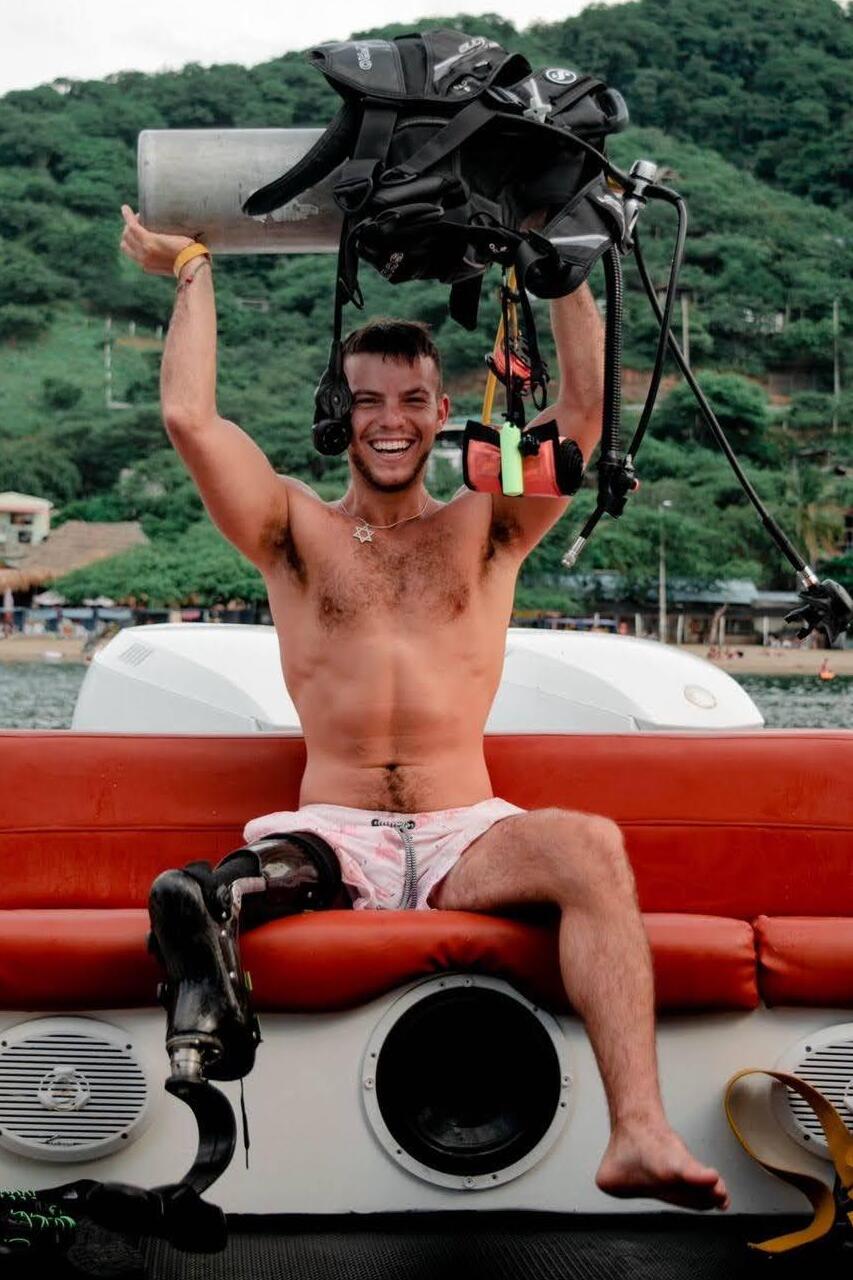
Years of surgeries, endless pain
After months of chemo, doctors removed the diseased part of his femur and replaced his knee with a metal implant. But his knee remained stiff, locked in place and excruciatingly painful. Multiple follow-up procedures failed.
“The chemo ended after nine months, but the surgeries went on for four more years,” Keesing says. “The cancer was gone, but my leg was stuck straight. I was drugged most of the day.”
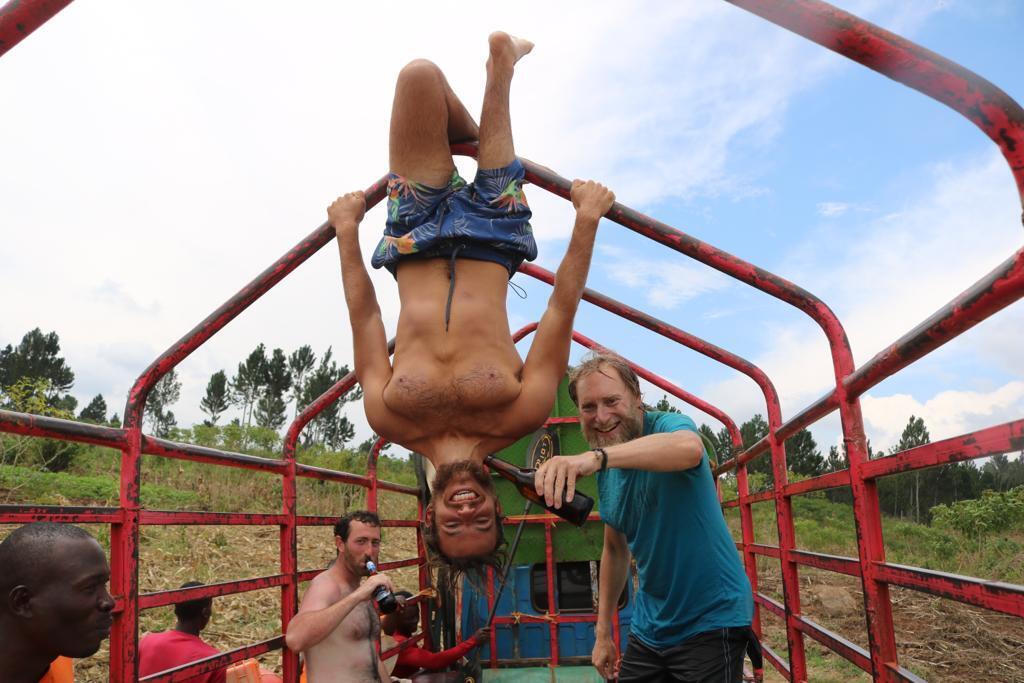
Eventually, the implant became infected. Further surgeries in Israel and the U.S. failed to restore function. “At that stage, we gave two difficult options,” Gorchak explains. “Amputation above the knee, or a rare operation where the leg is rotated 180 degrees so the ankle functions as the knee. It’s uncommon in Israel but more accepted in Europe and the U.S.”
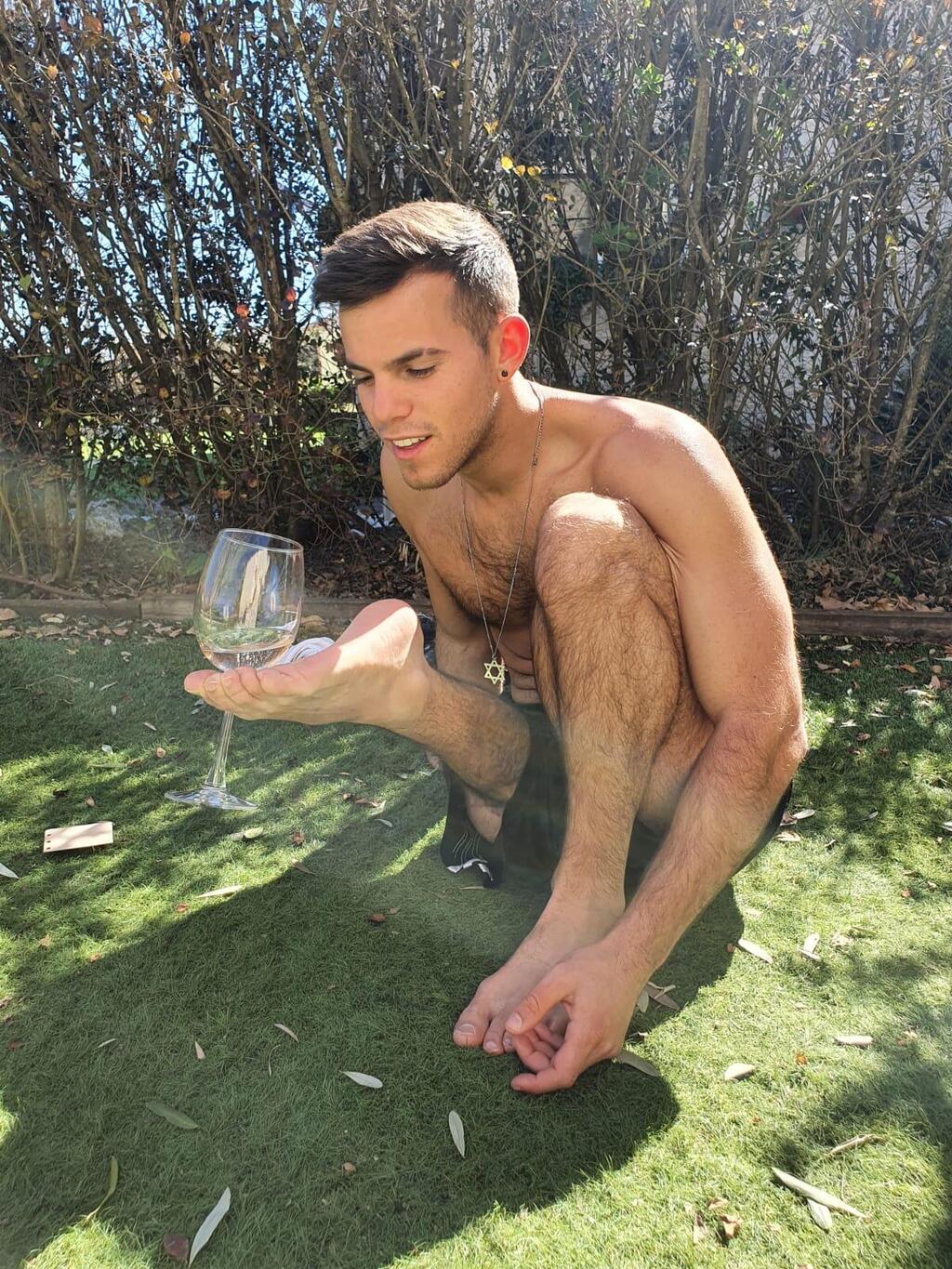
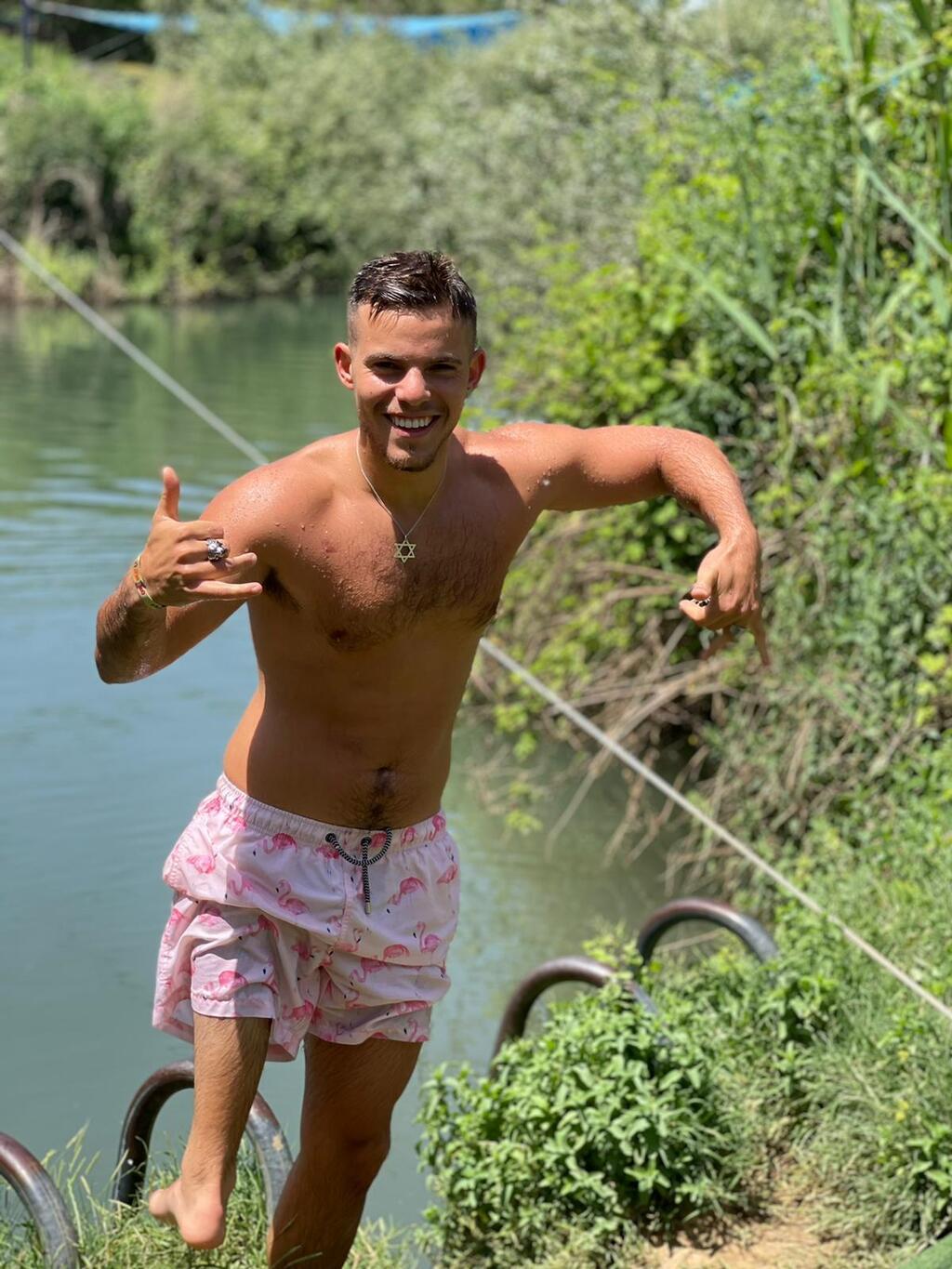
Keesing chose the second. “I already knew one day I’d lose that leg. It wasn’t worth keeping. The ankle-as-knee option is better for function. My little leg is very useful — I can climb trees, surf, even walk on all fours,” he says with a grin.
Today, he attaches a prosthesis and walks without crutches. “I bought very expensive crutches, but I never use them.”
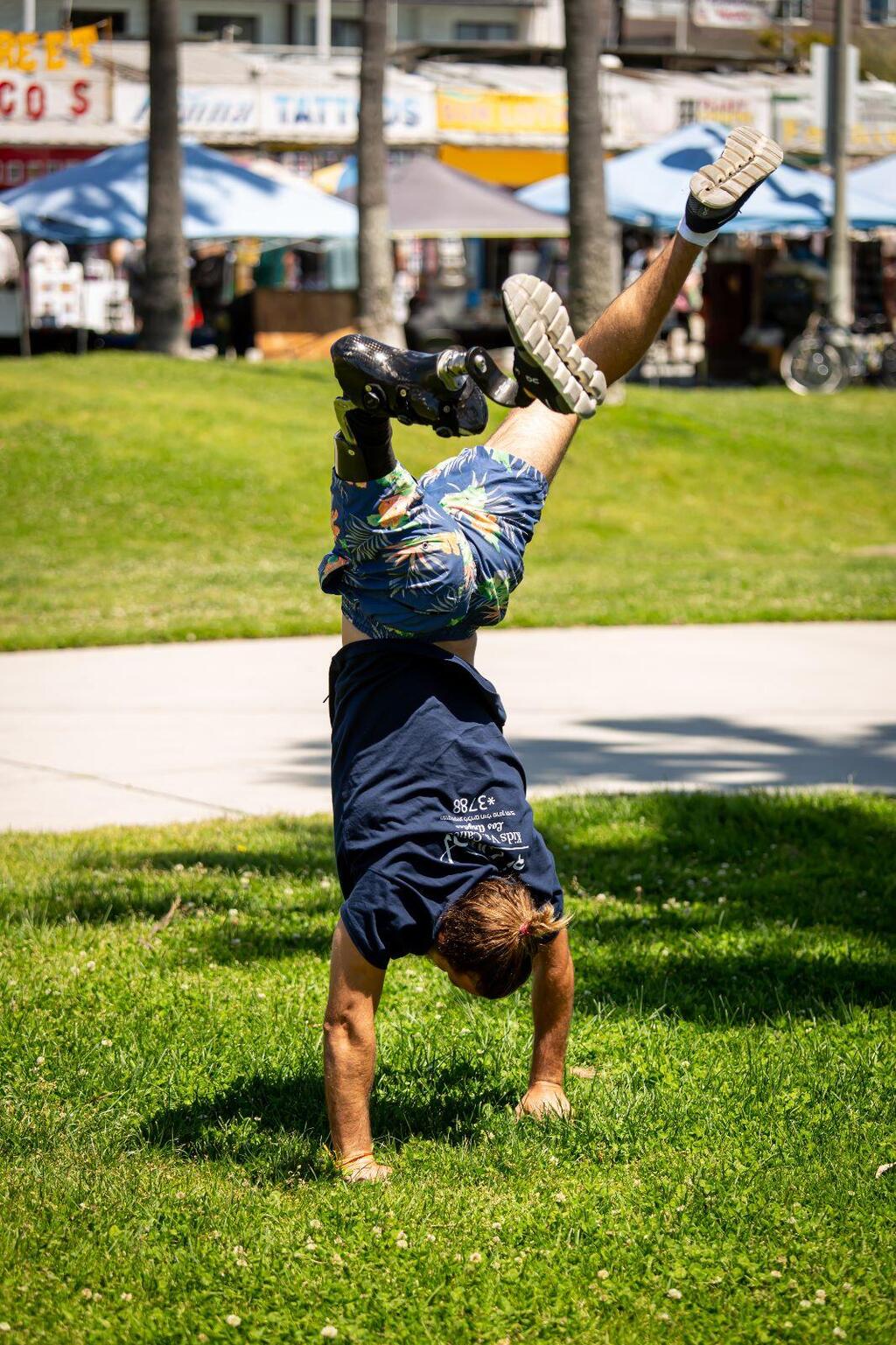
A key turning point came when an orthopedic surgeon from Germany, who had undergone the same surgery as a child, visited Israel. “He showed Ofek his leg, prostheses and function,” Gorchak recalls. “Right then, Ofek decided. He had the surgery in Florida, returned to Israel, rehabilitated and today he is pain-free with an excellent quality of life. He chose an unusual path — and it changed his life.”
Confidence, dating and freedom
For Keesing, the operation not only gave him back mobility — it reshaped his confidence.
“Dating was what I feared most,” he admits. “But it actually pushed me forward. Women like seeing that I’m happy, confident and full of life despite everything. It turned out to be a draw, not a setback.”
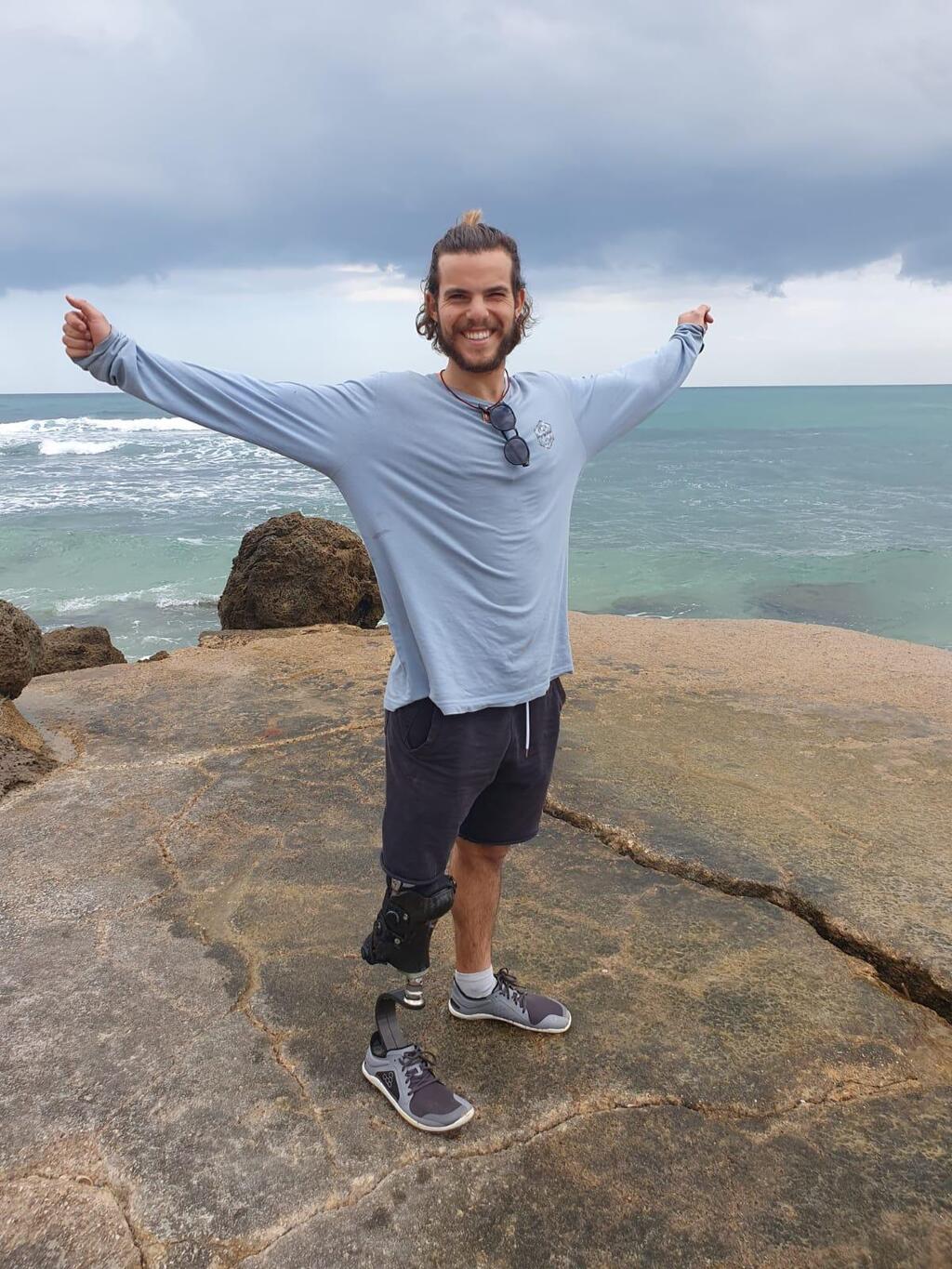
He has since traveled the world — Central and South America, the Caribbean, Africa, India and Nepal. “Sometimes the leg gets tired or hurts, but I don’t see it as a limitation,” he says. “I’m not afraid to travel alone. That’s the greatest freedom.”
In the Amazon jungle, he even joined a shaman-led ayahuasca ritual. “It was deep and powerful,” he says. “Ever since, I’ve been searching for something beyond the body.”
That quest eventually led him to meditation. “One day I sat in my room, closed my eyes and felt ecstasy throughout my whole body,” he recalls. “I realized I didn’t need to chase death-defying adventures to feel alive. Everything I need is already within me.”
First published: 11:57, 08.27.25