


Eli Lilly, a prominent pharmaceutical company in the weight management sector, has recently unveiled results from clinical trials for its innovative weight loss drug, Orforglipron. Unlike existing GLP-1 receptor agonists, which are administered via injection, Orforglipron is taken as a daily oral tablet. This delivery method could significantly enhance accessibility for patients who are needle-averse.
However, while the drug demonstrates clinical promise, its efficacy does not yet match the weight loss outcomes achieved with injectable therapies such as Wegovy (semaglutide) and Mounjaro (tirzepatide).
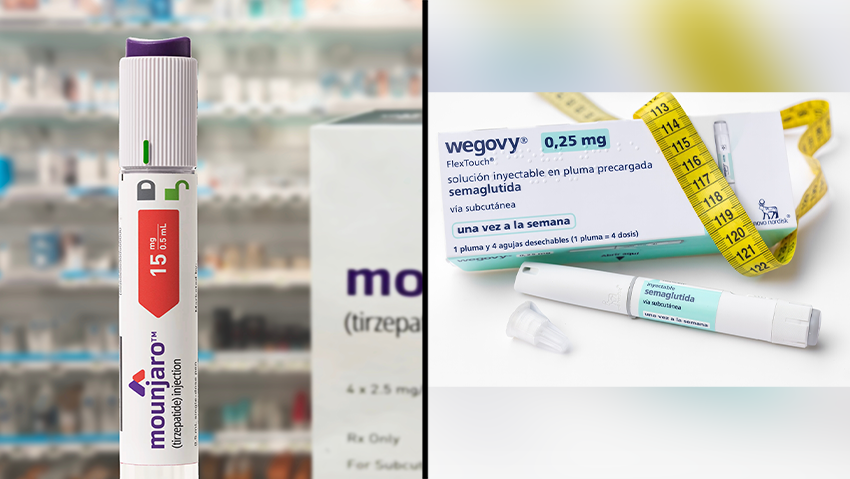
In the trial's highest dosage of 36 mg, participants experienced an average weight reduction of 12.4% of their baseline body weight—an appreciable result, but less than the 15%-20% reductions typically observed with leading injectables.
Clinical outcomes and adverse effects - efficacy data
The pivotal phase 3 clinical trial, Attain-1, involved participants with obesity or excess weight, excluding those with diabetes to isolate the drug's direct impact on weight loss. Subjects were stratified into four groups, receiving either 6 mg, 12 mg, or 36 mg of Orforglipron or a placebo for a duration of 72 weeks.
- 36 mg group: Achieved an average weight loss of 12.4% (equivalent to 12-13 kg).
- Lower doses: Resulted in moderate weight reductions of 7.8%-9.3%.
- Placebo group: Recorded less than 1% weight loss, despite dietary and exercise interventions.
While the weight loss outcomes are clinically meaningful, they are modest in comparison to injectable GLP-1 agonists. Nevertheless, Orforglipron's oral administration offers a simpler and potentially more appealing option for patients at the beginning of their weight loss journey.

(Photo: Shutterstock)
Despite the promising data, Eli Lilly's announcement of the trial results was met with disappointment on Wall Street. Investors expressed subdued enthusiasm, leading to an 18% drop in Eli Lilly's stock (LLY) last week. The primary catalyst for this plunge was the perception that Orforglipron's efficacy does not rival that of market leaders like Wegovy and Mounjaro.
Adverse Events - As with other GLP-1 receptor agonists, gastrointestinal side effects were prominent:
- Nausea (33.7%)
- Vomiting (24%)
- Diarrhea (23.1%)
Abdominal discomfort and heartburn were also reported.
The discontinuation rate due to adverse events in the 36 mg group was approximately 10%, compared to 3% in the placebo group. Importantly, no severe safety concerns, such as hepatotoxicity, were observed, suggesting a favorable overall safety profile for Orforglipron.
Mechanism of action and broader health benefits
Orforglipron, like other GLP-1 receptor agonists, mimics the action of the glucagon-like peptide-1 hormone, which regulates appetite and satiety by acting on the hypothalamic hunger centers. This leads to reduced caloric intake and subsequent weight loss.
Beyond its effects on weight, GLP-1-based therapies have demonstrated additional metabolic and cardiovascular benefits:
- Reduction in systolic blood pressure.
- Decrease in LDL cholesterol and triglycerides.
- Significant reduction (50%) in inflammatory markers, such as C-reactive protein (CRP).

(Photo: Shutterstock)
These findings highlight Orforglipron's potential to improve overall metabolic and cardiovascular health, extending its utility beyond weight management.
Advantages of Orforglipron's oral formulation
Orforglipron presents several distinct advantages over injectable GLP-1 therapies:
- Ease of administration: The tablet form eliminates the need for injections, making it more appealing and accessible for patients who are hesitant to self-administer injectables.
- Convenience: Unlike injectable therapies, Orforglipron does not require refrigeration and can be taken without specific timing relative to meals.
- Chemical stability: The drug's small-molecule design ensures high bioavailability and long-term stability, unlike peptide-based GLP-1 therapies that require carrier proteins.
- Cost-effectiveness: Oral tablets are less expensive to manufacture and distribute, potentially increasing accessibility in regions where injectable therapies are cost-prohibitive.
Dr. Osnat Raziel, an expert in bariatric surgery and obesity management, emphasized that the simplicity of a daily pill could enhance patient adherence, particularly among those new to weight loss treatment. She also noted the potential for future combination therapies with Orforglipron to address multiple metabolic conditions simultaneously.
Limitations and future directions
While the results are promising, Orforglipron's efficacy lags behind injectable therapies like Wegovy and Mounjaro. Experts suggest that optimizing dosing regimens or combining Orforglipron with other agents may enhance its therapeutic outcomes in the future.
Eli Lilly has announced plans to present comprehensive trial data at the upcoming European Association for the Study of Diabetes (EASD) conference. Regulatory submissions to the FDA and European authorities are expected by the end of the year, with a potential global launch anticipated in 2026.
A multidisciplinary approach to obesity management
Despite the convenience and promise of Orforglipron, experts caution against viewing it as a standalone solution. Dr. Raziel emphasized the importance of a comprehensive, multidisciplinary approach to obesity management: "This treatment must be accompanied by professional guidance. To minimize side effects and establish sustainable lifestyle changes, patients should work closely with dietitians, physicians, psychologists, and fitness trainers."
 Dr. Osnat Raziel Photo: Talou L'Oren
Obesity, a chronic disease with complex etiologies, requires a holistic approach to treatment. While Orforglipron represents a significant advancement, it is most effective when integrated into a broader strategy for long-term weight management and health improvement.
Orforglipron, as the first oral GLP-1 receptor agonist for weight loss, represents a groundbreaking innovation in obesity management. While its efficacy does not yet rival that of injectable therapies, its convenience and accessibility could make it a valuable option for a broad patient population, particularly those deterred by injections.
With ongoing research and potential future developments, Orforglipron has the potential to redefine the landscape of weight management therapies, offering a new avenue for addressing one of the most pressing public health challenges of the 21st century.