


Annael Krief, a 36-year-old mother of three from Netanya, is a TikTok influencer with a large French following, millions of likes and tens of thousands of fans, many of whom are French Jews considering immigration to Israel due to rising antisemitism.
Known for her advocacy and distinctive style, including multiple earrings and dermal piercings—implants embedded under the skin with decorative tops—she recently revealed a health scare involving a dermal piercing gone wrong.
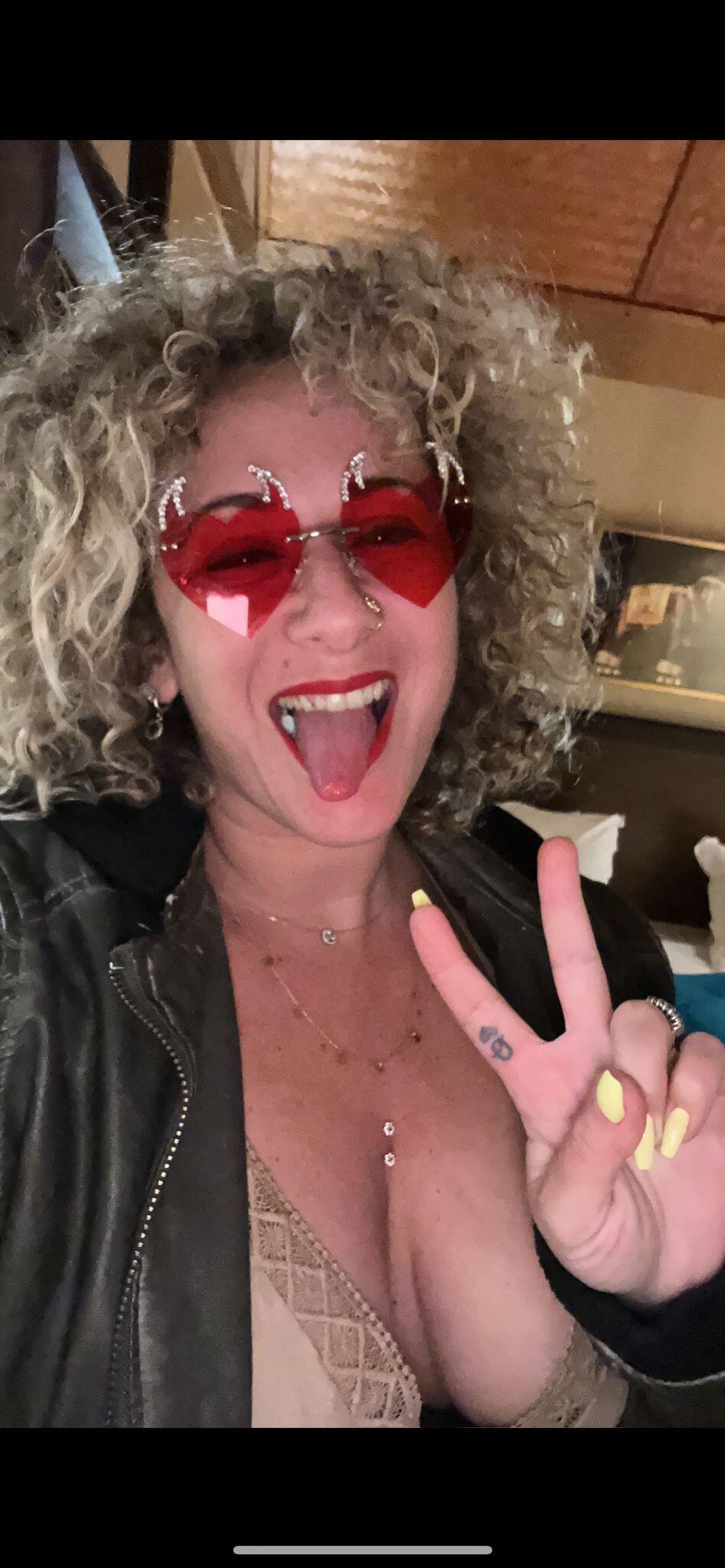
Fans noticed a large bandage on her chest in recent videos, sparking curiosity. Krief shared, “I got the piercing at a reputable studio with a skilled professional but I didn’t know my body might engulf the implant base—and that’s what happened.” During the procedure, she recalled the piercer exclaiming, “Oh, sh*t!”—a worrying sign.
Despite his experience and sterile conditions, her stretched skin swallowed the implant. After an hour of failed attempts to retrieve it, he reassured her, “It’s titanium; you can live with it under your skin, no problem.” But the next morning, pain and swelling prompted her to seek help at Meir Medical Center. “If I’d known this could happen, I’d never have done it,” she said.
At the hospital, Krief was initially embarrassed but relieved to meet a doctor familiar with dermal piercings. “The first doctor I saw wore a dermal himself and knew exactly what to look for,” she explained. After an initial failed attempt to locate the implant, imaging and creative marking with probes pinpointed it, allowing surgeons to remove it under local anesthesia with a small incision, leaving four stitches.
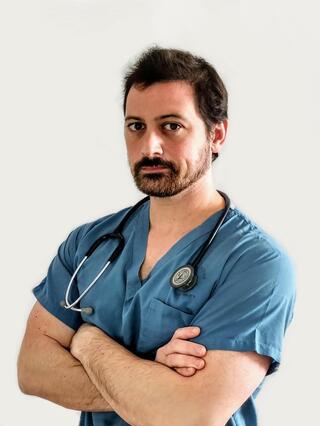 Photo: CourtesyPhoto: Courtesy
 Dr. Oren HanisPhoto: Meir Medical Center
Dr. Oren Hanis and Dr. Hagai Soback from Meir Medical Center described the case: “The patient arrived with a dermal piercing complication where the implant was engulfed in her chest’s soft tissue.
Get the Ynetnews app on your smartphone: Google Play: https://bit.ly/4eJ37pE | Apple App Store: https://bit.ly/3ZL7iNv
"Locating the metal piece was challenging, but with imaging and minimal surgery, we extracted it.” Krief praised the team’s care, saying, “They worked creatively to avoid a large scar. I’m so grateful but people need to know this risk.”
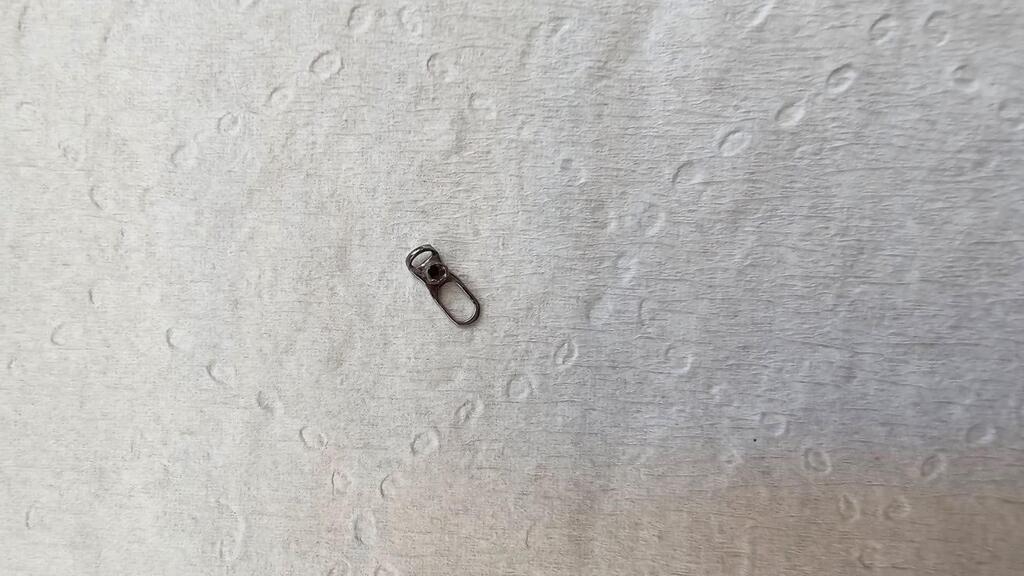
The piercing retrieved from Krief's chest
(Photo: Meir Medical Center)
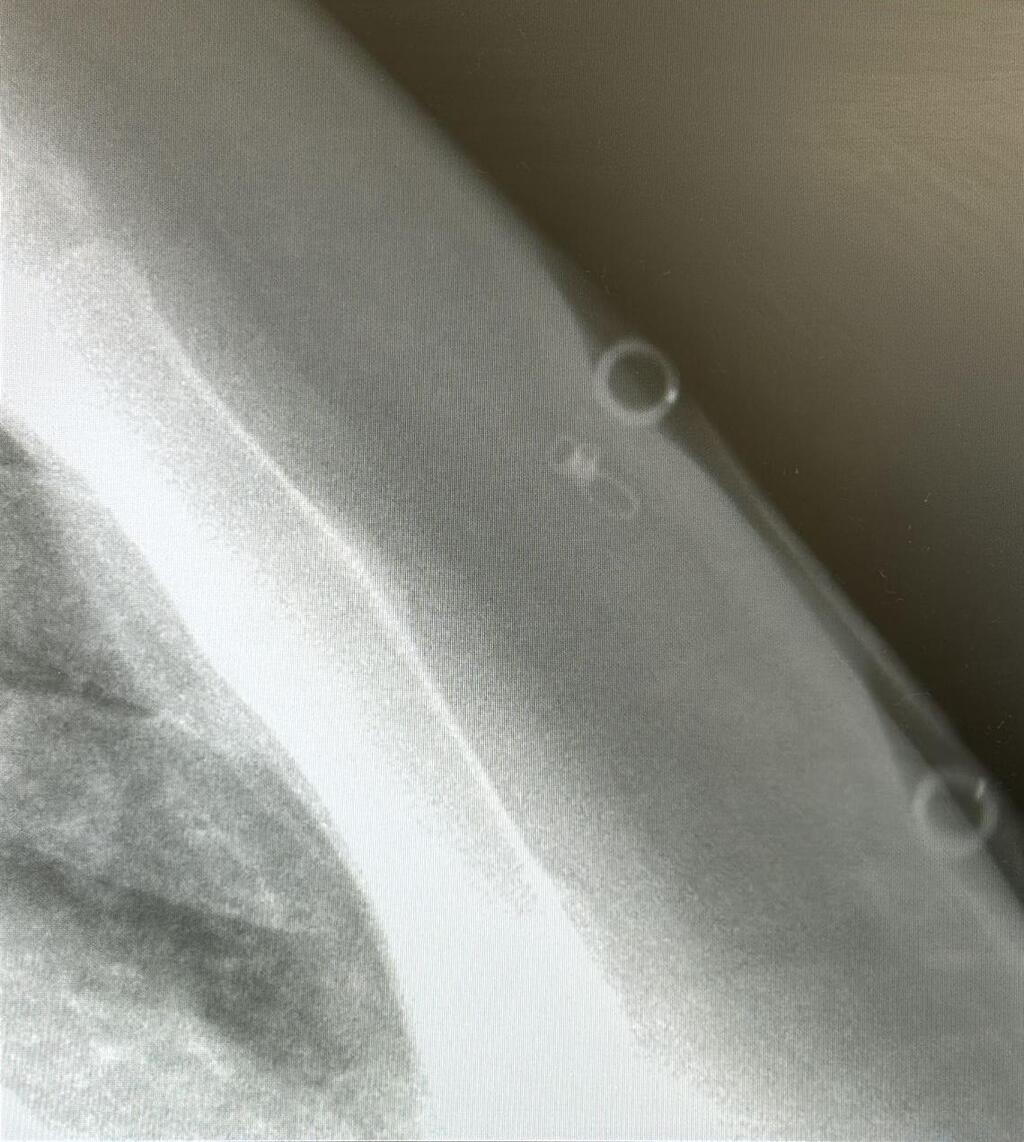
X-ray scan showing the piercing
(Photo: Meir Medical Center)
In a similar case, 14-year-old Eviatar underwent a helix piercing on his upper ear cartilage, leading to severe complications. “About a week and a half after the piercing, my ear swelled massively,” he recounted. “Friends said it’s normal, but the pain was intense—I woke up four times a night, taking painkillers.”
When the swelling worsened, resembling a ping-pong ball, he was sent for treatment at Meir Medical Center, where doctors drained the ear and admitted him for ongoing care. “We tried creams and antibiotics but nothing worked. The staff here is incredible, treating him with such care," His mother added.
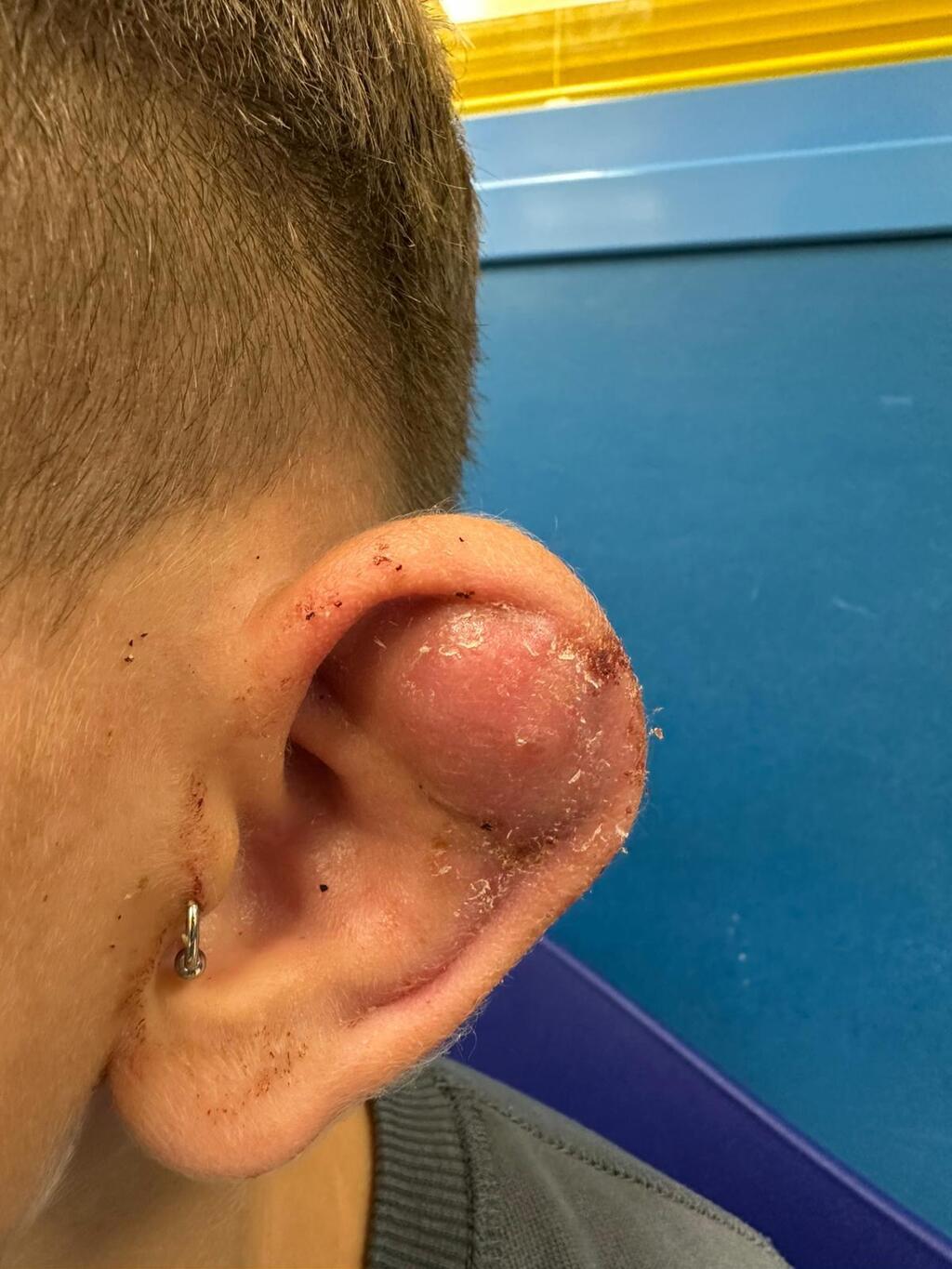
Ear infection following ear piercing
(Photo: Courtesy)
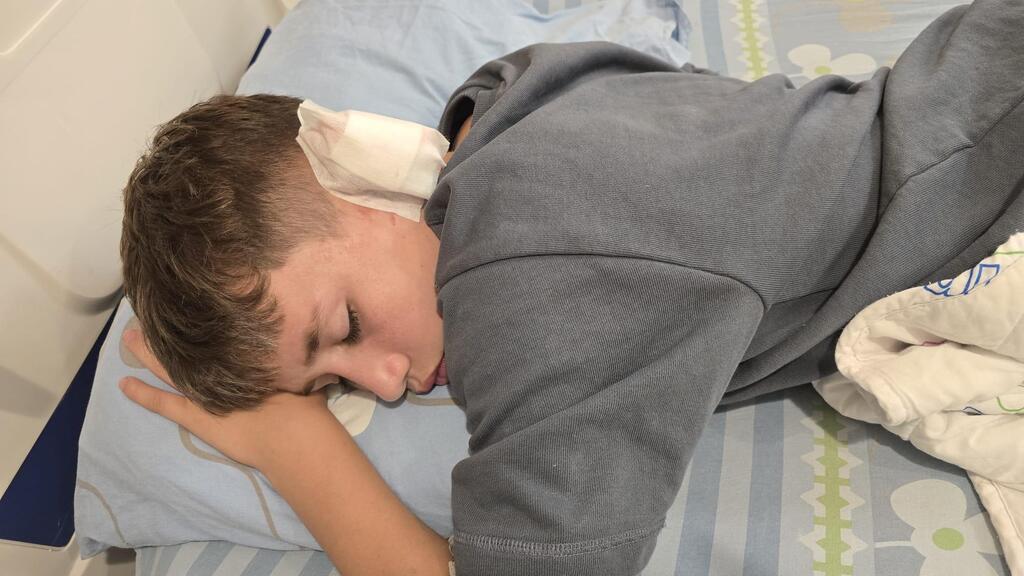
(Photo: Courtesy)
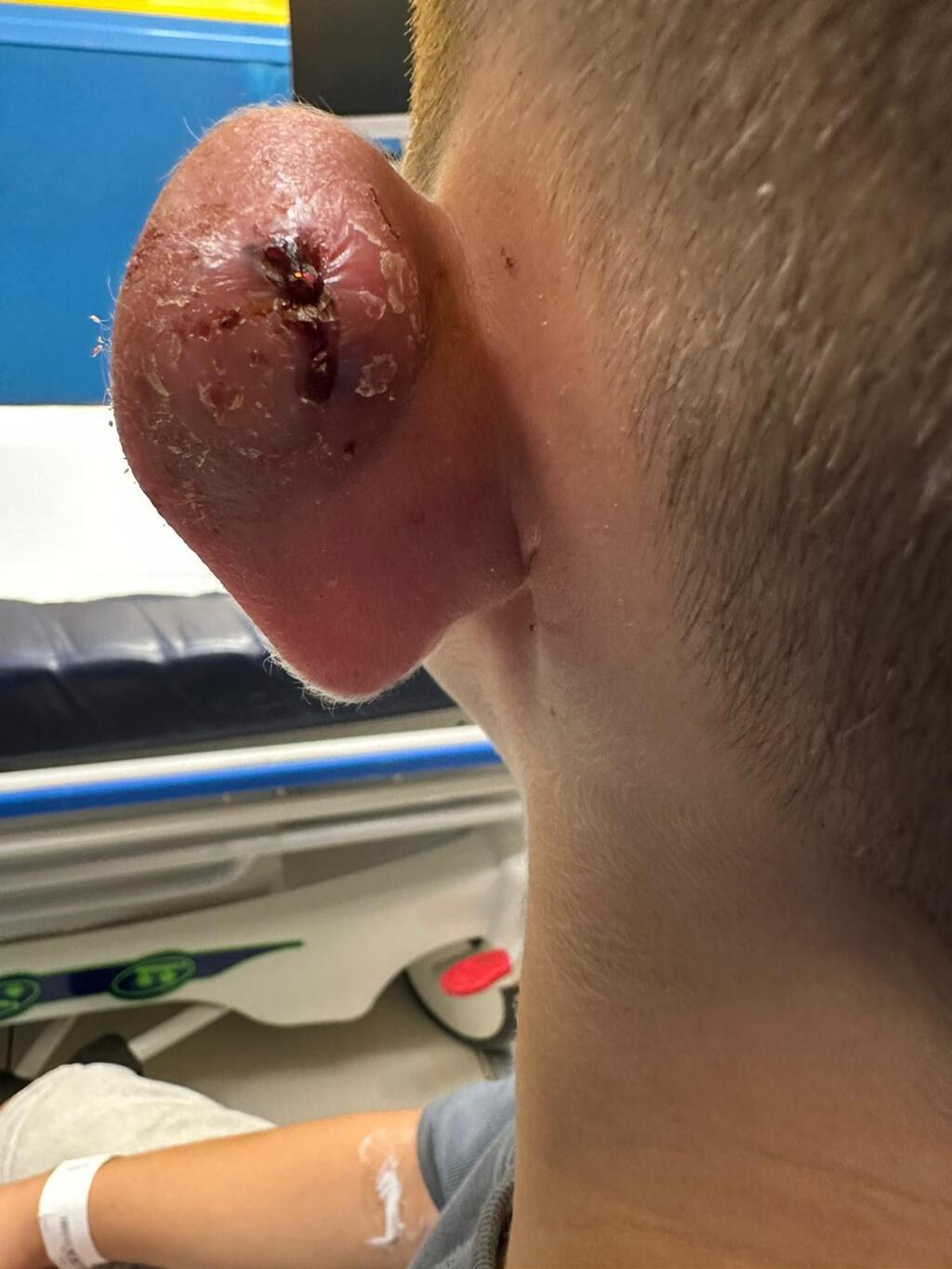
(Photo: Courtesy)
Dr. Firas Kassem, head of the hospital's rhinology division, noted a troubling trend: “We’re seeing more teens with severe infections in the ear cartilage from piercings, especially in the upper ear.
 Dr. Firas KassemPhoto: Courtesy
"Cartilage has limited blood supply, making infections hard to treat, causing intense pain, requiring hospitalization, IV antibiotics or even surgery, which can deform the ear.” He advised avoiding piercings in cartilage areas like the upper ear, tragus or nose and urged parents to discuss the risks with their children. Talking on the teen's condition, Dr. Kassem said, “The infection was advanced, requiring surgical cleaning. He’s been hospitalized for days and we’re monitoring his recovery.”