


A new study published recently in the journal Nutrients found that drinking tea was associated with a very small advantage in bone density in the hip region among postmenopausal women. By contrast, moderate coffee consumption was not linked to bone loss, although very high intake of more than five cups a day may be associated with lower bone density.
Researchers from Flinders University in Australia analyzed data from an ongoing American study known as the Study of Osteoporotic Fractures (SOF), which included 9,704 women aged 65 and older. The current analysis examined data collected over about 10 years, with repeated measurements of coffee and tea consumption and bone mineral density.
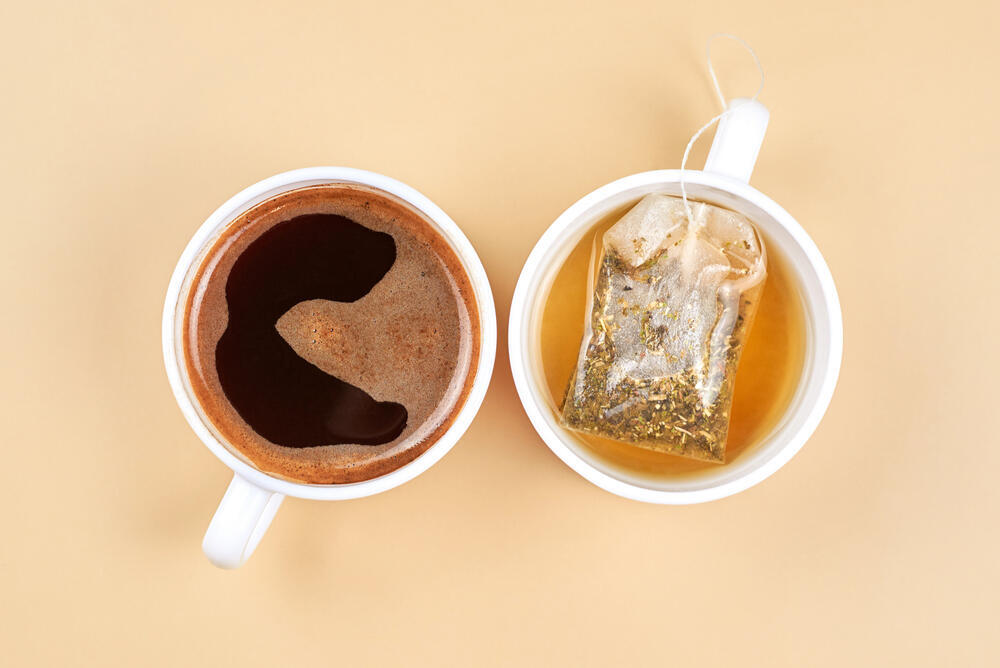
Measurements focused on the femoral neck and hip, two parts closely linked to the risk of hip fractures, among the most serious and dangerous fractures in older age.
The researchers sought to address a long-standing question in medicine and research: whether drinking coffee or tea affects bone density, whether the effect persists over time and whether the amount consumed makes a difference.
“Osteoporosis is a common condition, particularly among postmenopausal women, characterized by a reduction in bone mass and strength, leading to a significantly increased risk of fractures, even after minor trauma,” said Dr. Ahmed Khatib, an endocrinology and diabetes specialist with Clalit Health Services in the Haifa and Western Galilee district. “Although this is an observational study, the findings point to a possible advantage of choosing tea over very high coffee consumption, especially when intake exceeds five cups a day, in terms of bone health."
Can high coffee intake harm bones?
Coffee and tea consumption was assessed using questionnaires completed by participants at several points during follow-up. Women were asked whether they drank regular coffee and, if so, how many cups per day on average, as well as whether they drank tea or iced tea, excluding herbal or decaffeinated tea, and how many cups per day. Bone density was measured using DXA scans, a standard method for assessing bone health.

Osteoporosis is a common condition, particularly among postmenopausal women
(Photo: Shutterstock)
The researchers found that tea consumption was associated with slightly higher bone density at the total hip. The difference between tea drinkers and non-drinkers was about 0.003 grams per square centimeter, a very small gap that nonetheless reached statistical significance.
Both the researchers and experts interviewed for the original report stressed that the clinical significance of such a difference at the individual level is unclear and may be negligible for a single woman.
As for coffee, the main analysis found no significant association between coffee consumption and bone density at either the femoral neck or the total hip. In other words, drinking coffee in itself was not linked to bone damage.
However, a more detailed analysis suggested what the researchers described as a possible "threshold effect." Drinking about two to three cups of coffee per day did not appear to affect bone density, while consuming more than five cups a day may be linked to lower bone density. This represents a trend rather than definitive proof, but it was consistent across the findings.
Alcohol intake and obesity also matter
The study also showed that not all women were affected in the same way. The association between coffee consumption and femoral neck bone density varied according to lifetime alcohol intake.
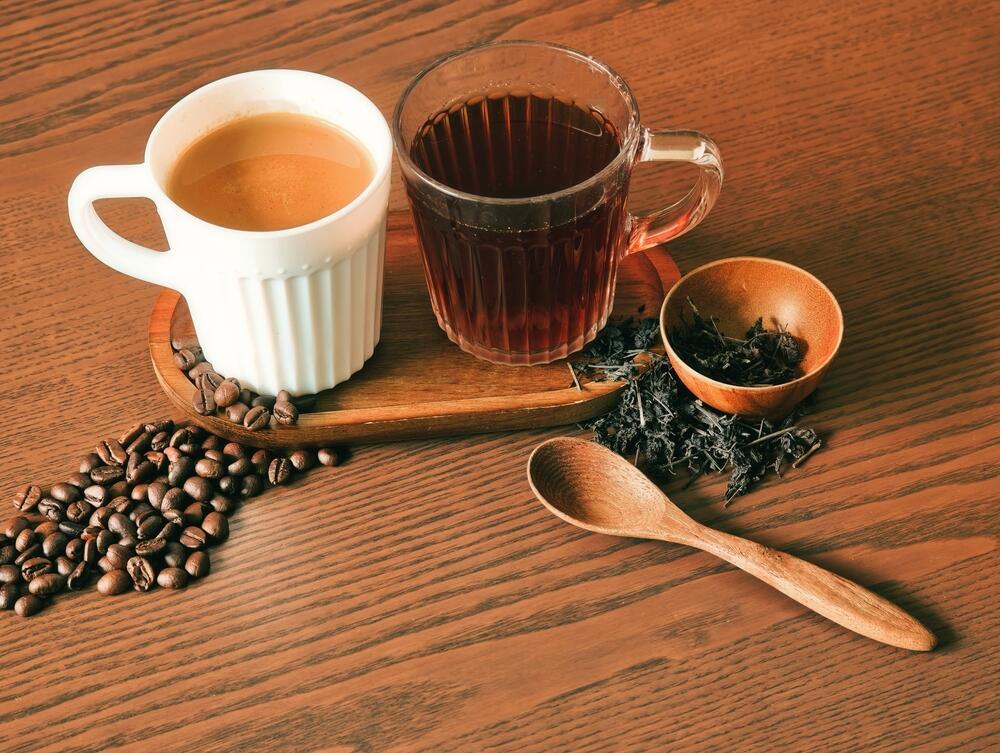
Moderate coffee consumption appears safe for bone health, while very high intake may be problematic
(Photo: Shutterstock)
In addition, the association between tea consumption and bone density was influenced by body mass index (BMI), with women who were obese appearing to derive a clearer benefit from drinking tea. The researchers emphasized that these were subgroup analyses and should be interpreted with caution.
As expected, a general decline in bone density was observed over the years of follow-up, regardless of coffee or tea intake. At the femoral neck, average bone density fell from about 0.65 to about 0.62 grams per square centimeter, and at the total hip from about 0.76 to about 0.73. This decline reflects the natural process of bone loss with aging.
Why might tea be slightly beneficial?
The researchers noted that there is no definitive answer, but suggested a possible explanation based on laboratory studies. Tea contains compounds known as catechins, natural antioxidants that may stimulate bone-forming cells and slow bone breakdown.
Should people switch from coffee to tea?
Not necessarily. The researchers stressed that the study does not show that coffee is harmful to bones, but rather that moderation is advisable. Scientific and medical literature on caffeine and bone density is mixed, with previous studies reporting differing and sometimes conflicting results. The main conclusion is that moderate coffee consumption appears safe for bone health, while very high intake may be problematic.
 Dr. Ahmed KhatibPhoto: Private
Beyond the choice between coffee and tea, other steps are well established as beneficial for bone health. A diet rich in calcium and vitamin D is considered fundamental for maintaining strong bones, whether from dairy products, leafy green vegetables, sardines with bones or fortified foods.
Weight-bearing physical activity and resistance training have been shown to help preserve bone density, particularly after menopause. By contrast, smoking and high alcohol consumption can harm bone health.
The researchers also highlighted clear limitations of the study. Coffee and tea intake was self-reported, with no detailed information on beverage type, cup size or preparation method. Over the years of follow-up, data gaps emerged, mainly due to deaths and loss to follow-up.
In addition, because the sample consisted almost entirely of older white women in the U.S., the findings cannot be directly generalized to other populations.
“It is important to emphasize that this is an observational study, which does not allow for establishing a clear causal relationship or formulating a sweeping clinical recommendation for lifestyle changes, unlike well-established guidance on calcium intake, vitamin D and avoiding smoking,” Dr. Khatib said.