

A brief prayer session was associated with lower pain and anxiety among patients in a new study, with some of the reported improvements still evident weeks later.
The study followed 180 patients who arrived at a family medicine clinic with significant pain, anxiety or both. After their medical visit, participants were randomly divided into two groups: 90 took part in a five-minute, one-on-one prayer session with a trained individual, while the other 90 listened to calming music for the same amount of time. Researchers assessed participants immediately afterward and again two and six weeks later.
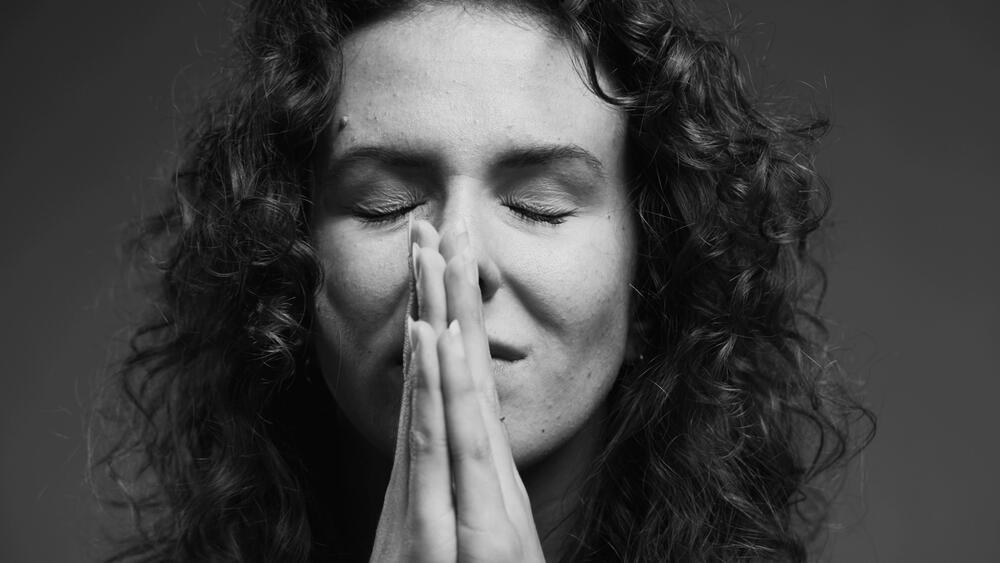
(Photo: Shutterstock/Bricolage)
Among patients experiencing pain, those in the prayer group reported a greater reduction in pain intensity than those who listened to music, with the difference still evident two weeks later. Anxiety also declined, and the improvement remained apparent at both the two-week and six-week follow-ups. The results were generally not associated with how religious participants were or how strongly they expected prayer to help.
That does not mean the study proves prayer itself caused the improvement. The intervention also involved another person spending several minutes giving the patient focused attention, along with physical presence and touch, all factors that could independently affect perceptions of pain and anxiety.
What happens when we pray alone?
Research into private prayer has also found links with mental well-being. A scientific review of 41 studies found that nine of the 11 examining depression reported an association between private prayer and fewer depressive symptoms. Other studies found links with lower anxiety, greater optimism and better coping, although these findings show associations rather than proof of cause and effect.
One possible explanation is that prayer allows people to put fears, worries, hopes and requests into words. Psychologists sometimes describe a similar process as self-disclosure: expressing troubling thoughts instead of leaving them to circulate internally. Giving words to what is worrying us may help organize and process emotions.
More repetitive forms of prayer may work differently. Rhythmic prayer can slow breathing to around six breaths per minute, and studies have linked breathing at that pace with changes in cardiovascular regulation. In this way, personal prayer may help through emotional expression, while structured prayer may combine focused attention with slower, more regular breathing.
Could prayer be part of medical care?
Most participants in the clinical study were at least open to the idea. Some 97% said they were neutral, agreed or strongly agreed that access to this type of prayer during a future medical visit would be acceptable to them.
The researchers stress, however, that prayer is not a substitute for medical treatment. At most, it could be considered a complementary option for patients who want it. More research is also needed to determine whether the reported benefits came from prayer itself, another person’s attention, touch or some combination of those factors.
Research on private prayer carries similar limitations. Much of the evidence shows correlations rather than clear cause-and-effect relationships, and it cannot support the claim that prayer “heals.”
What science can examine is a narrower question: what happens to people when they pray? Humans have done so for thousands of years, seeking health, protection, recovery, comfort and hope. Science cannot determine whether prayer changes what ultimately happens, but it can begin to examine whether it changes the way people experience pain, fear and uncertainty.
First published: 19:47, 09.09.26