

Early symptoms of heart failure aren’t always obvious. Swelling, unusual fatigue, shortness of breath during routine activities, unexplained weight gain, or waking up at night gasping for air can all be warning signs.
Dr. Iran Kruchin, senior cardiologist at Clalit Health Services, explains: “The first signs are often increased fatigue and shortness of breath. If you notice them, it’s important to seek early diagnosis and treatment."
A simple at-home test
If you press your finger gently into swollen skin on your shin or ankle and a dent remains for five to 10 seconds before fading, it may indicate fluid retention, commonly known as “pitting edema.”
Gallery
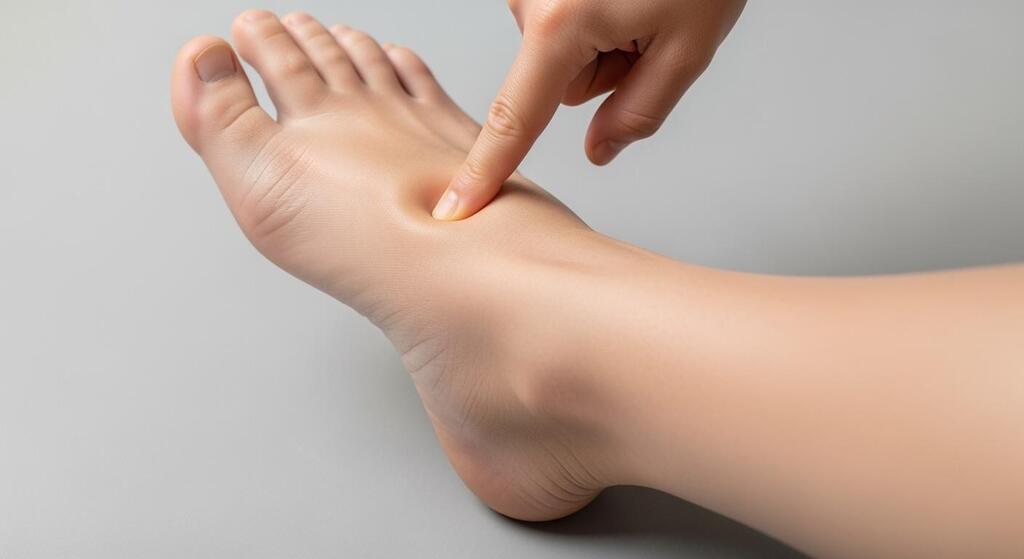
The 'five-second test': A simple at-home check that may indicate fluid retention, but it does not replace professional medical advice
(Photo: Shutterstock)
While sometimes caused by temporary issues such as prolonged standing, sitting for extended periods or pregnancy, it can also signal more serious disruptions in the body’s fluid balance, including heart failure.
But swelling is only part of the picture. Other early, often overlooked signs of heart failure include symptoms that people may ignore or simply not recognize.
When to worry
To try the test at home, sit down, slightly raise your leg and press your thumb gently above the ankle or on the shin for a few seconds. If the skin remains indented after you remove your thumb, it may be "pitting edema."
Important note: this is a sign, not a diagnosis. It does not replace a professional medical evaluation.
In pitting edema, fluids accumulate between cells. It can result from daily venous pressure and gravity, but also from medical conditions that hinder the body’s ability to clear fluids, such as heart failure, kidney disease or liver disease.
Venous disorders like chronic venous insufficiency or deep vein thrombosis (DVT) may also cause swelling in one or both legs. In the early stages of lymphedema (damage to the lymphatic system), the swelling may initially be pitting and later become non-pitting.
Certain medications can also cause fluid retention, including calcium channel blockers for high blood pressure (such as amlodipine), steroids, some diabetes medications (TZDs), hormone treatments and nonsteroidal anti-inflammatory drugs (NSAIDs).
If swelling appears weeks after starting a new medication, notify your doctor.
Persistent pitting edema, especially if it affects both legs and is accompanied by rapid weight gain, shortness of breath or unusual fatigue, may indicate fluid overload, as seen in heart failure.
In contrast, swelling that affects only one leg and is painful, warm or red raises concern for DVT or infection and requires prompt medical attention. If swelling is accompanied by chest pain, shortness of breath while lying down or at rest or coughing up blood, go to the emergency room immediately.
The overlooked signs of heart failure
Dr. Iran Kruchin, a senior cardiologist with Clalit Health Services in the Dan–Petah Tikva district, addressed a viral video circulating on social media claiming that leg swelling is always a sign of heart failure.
“While leg swelling can be one of the symptoms of heart failure,” she said, “it’s usually not the first sign and is not always related to the heart. More common causes include venous insufficiency and a blocked lymphatic system."
In such cases, the swelling typically worsens in the evening, after prolonged sitting or standing and improves overnight after rest, says Dr. Kruchin. “Kidney dysfunction can also cause swelling. In addition, it may result from failure of the heart’s right ventricle, impaired relaxation of the left ventricle or valve disorders."
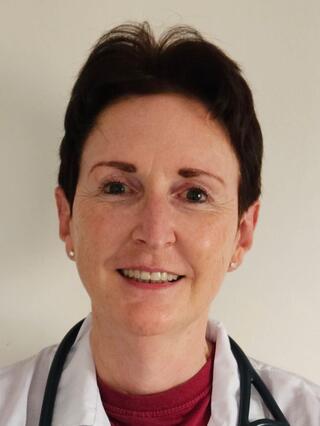 Dr. Iran KruchinPhoto: Private
Early symptoms you might miss
Dr. Kruchin emphasized that the most common early signs of heart failure are actually different.
"Increased fatigue and shortness of breath during physical exertion, such as walking, are key indicators. If you notice these symptoms, it’s important to consult your primary care physician or a cardiologist to enable early diagnosis and treatment."
She also highlighted other early signs that tend to go unnoticed: “Unexplained increases in heart rate, sudden weight gain, difficulty sleeping while lying flat, such as needing more than one pillow, and waking up at night due to shortness of breath."
When to see a doctor and what to expect
You should see a doctor in the following cases:
- If swelling lasts more than a few days, is accompanied by shortness of breath, chest pain, rapid heartbeat or dizziness.
- If swelling comes on suddenly or affects only one leg.
- if swelling includes redness, pain or warmth.
- If you're pregnant and experiencing significant swelling along with symptoms like a severe headache, vision problems or high blood pressure.
People with heart disease who experience worsening swelling or sudden weight gain should be examined as soon as possible.
A medical evaluation typically includes a physical examination (heart, lungs, abdomen and limbs), a review of medications, an assessment of whether the swelling is in one leg or both and an examination of the skin.
Common blood tests include kidney and liver function panels, albumin levels and sometimes BNP, which can indicate heart stress. A urine test may be done to check for protein, and a venous ultrasound (duplex) may be used to rule out deep vein thrombosis. If necessary, the doctor may order imaging tests or refer the patient to a specialist.
For mild cases, relief may be achieved by elevating the legs during rest, engaging in light physical activity and reducing salt intake.
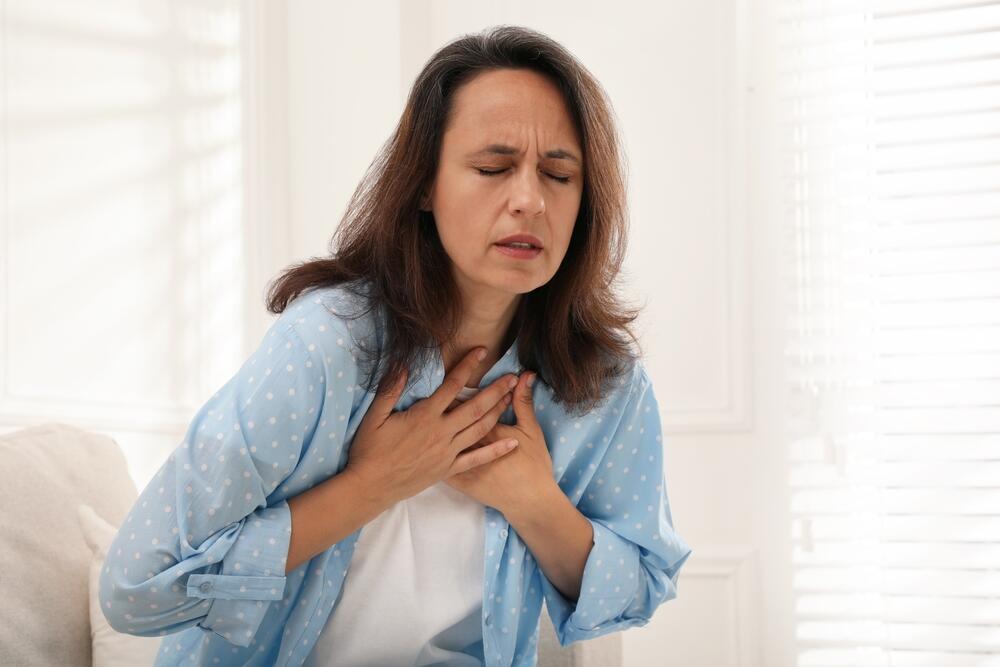
Waking up at night with shortness of breath may be a sign of heart failure
(Photo: Shutterstock)
Compression stockings can help in cases of venous insufficiency or in managing lymphedema, but should be used only with a doctor’s approval, especially if there’s any suspicion of arterial disease in the legs.
Diuretics are prescribed only under medical supervision and based on the underlying cause, as they can be harmful in certain situations.
Bottom line: know the signs
The “five-second test” can help identify pitting edema and serve as an early warning for fluid overload, which can be harmless and temporary, or can be a sign of serious conditions like heart failure.
The earliest symptoms are often not leg swelling, but rather unusual fatigue, shortness of breath or sudden weight gain.
Recognizing these signs early can lead to faster diagnosis and more effective treatment. The most important rule remains: if there’s concern or any suspicious symptoms, consult your doctor.