

The sound of exploding firecrackers stirs intense distress for Roni, 35, from Acre. “I feel that I have to be on guard, open my eyes, see who is in front of me and across from me, protect the friends with me who are protecting me, know there is an enemy beyond the door,” said Roni, a married father of two, describing sensations that have resurfaced in recent weeks.
Roni served in the reserves in the 188th Armored Brigade’s reconnaissance unit. His service was cut short as his mental health deteriorated. In August 2024, he was recognized as 40% disabled and is now awaiting two additional medical committee hearings.
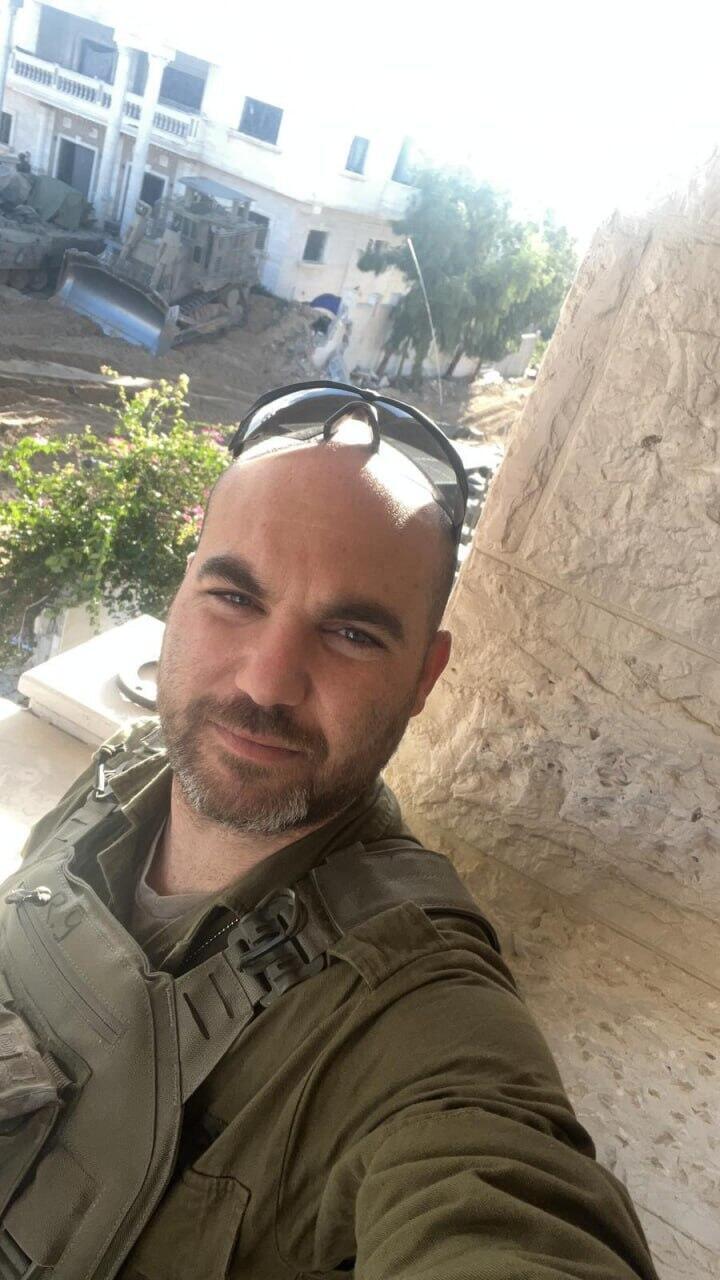
“I’ve already started hearing Purim firecrackers in the city,” he said. “It sends me back to war. For me, that means sleepless nights. With every firecracker I hear, I have to quickly use a cannabis inhaler to lower my stress and anxiety levels. I can’t sleep next to my wife and children because I get sudden attacks. Usually I sit in the living room, curled up, until dawn.”
“I don’t have much of a life right now,” he added. “I go into extreme stress states, I can’t sleep, I’m always on edge. I can’t be in crowded places. I don’t celebrate with my kids, not even on Purim.”
Roni is asking the public to show consideration. “I was a child too. I used firecrackers until I grew up and understood how much damage it caused, especially today when I’m a combat veteran with trauma,” he said. “My request is simple: stop.”
“Before you pull a prank, consider that it could send someone to the hospital with a severe anxiety attack. My episodes end up in the emergency room or psychiatric hospitalization. Unfortunately, we feel very invisible, and it’s even more pronounced during Purim.”
‘Thousands of thoughts at once’
Yarin, 34, from Rosh HaAyin, served as a combat soldier in the Givati Brigade from 2009 to 2011 and copes with complex PTSD that includes physical and psychological injury. “I was exposed to significant, life-threatening, destabilizing events over a long period,” he said. “Only in recent years have I come to understand how deeply the traumatic events affected me, how serious the problem is.”
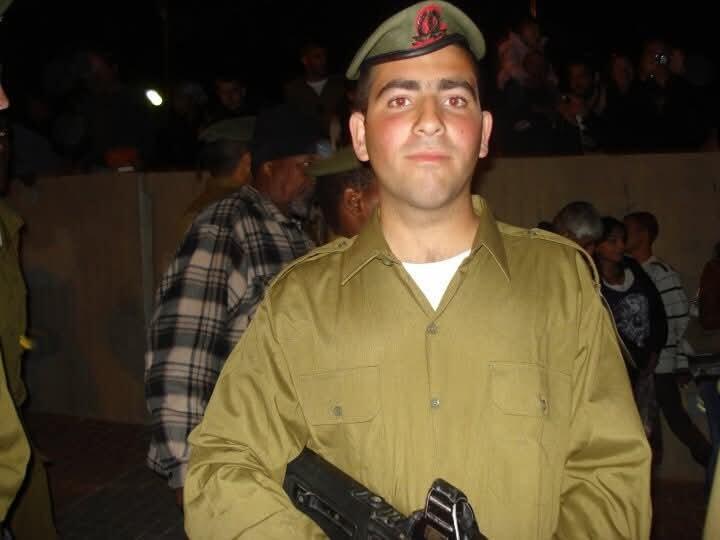
Yarin: 'Traumatic events I experienced during my service have affected me'
Like Roni, he also struggles with the psychological impact caused by the sound of firecrackers. “It makes me jump, immediately taking me back to events from my military service,” Yarin said. “The moment you hear the explosion, thousands of thoughts run simultaneously, without the ability to focus or understand if there is real danger.”
“A loud noise can act as a trigger, creating the sensation of being transported back in time", he explained. “The most accurate description is an out-of-body experience felt very intensely, sometimes accompanied by physical pain and ringing in the ears.”
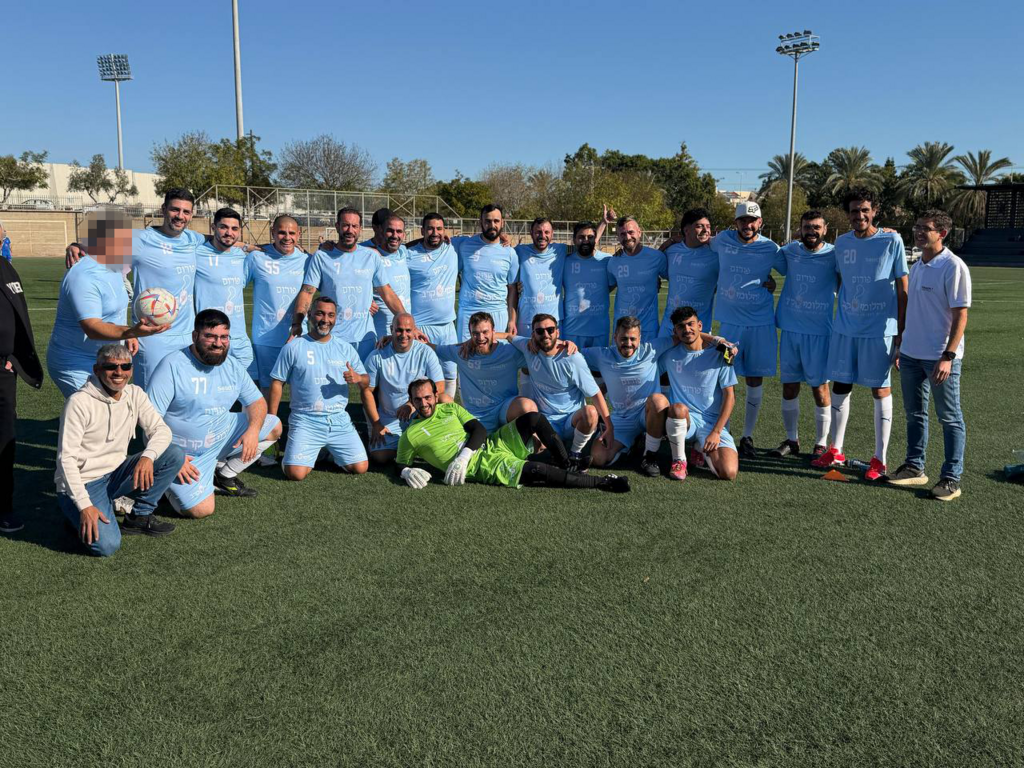
Yarin plays on a soccer team called “Battle Diamonds,” made up of people coping with mental health challenges who meet weekly for a bonding match. At a recent game, he said, explosions were heard in the background.
“At that moment, three players with PTSD experienced a panic attack. The explosion sent them back to Gaza. It continued throughout the game, with sounds of explosions followed by attacks. Fortunately other team members were there to support us,” he said.
He adds that some of them barely leave their homes, sometimes only for that weekly soccer match. "Now we could lose them. They may decide not to return.”
Yarin urged the public to reconsider buying fireworks or firecrackers. “Think twice before you buy one. Someone could be harmed, even if it isn’t done deliberately.” It can throw another person off balance,” he said. “After October 7, we have to take this into account. Maybe it used to be accepted, but times have changed. There are sensitivities today. We need to learn to accept and see the other person, especially if we want to reintegrate them into society.”
“Just as there is a ramp instead of stairs for people with disabilities, the least we can do is refrain from setting off firecrackers out of consideration for combat veterans. That’s how we ensure public spaces are accessible to those coping with mental health challenges.”
'An anxiety attack as if they were at the height of battle'
This week, the Defense Ministry launched a public awareness campaign titled “Every firecracker sends them back to the battlefield,” aimed at curbing the phenomenon.
“People suffering from post-traumatic stress deal with flashbacks, nightmares and dissociation. One of the triggers that brings them back to those states is the sound of explosions,” said Dr. Idit Oz, head of social services for the Rehabilitation Department’s Haifa district.
“In an activity we held at a rehabilitation creative center, controlled explosions from a nearby factory were heard, and five participants immediately lay flat on the floor. They had anxiety attacks as if they were in the height of battle,” she said.
“The public needs to understand that for some, fireworks and explosions may be entertainment or a game, but for others, they can trigger episodes like these, making it harder for them to return to routine.”
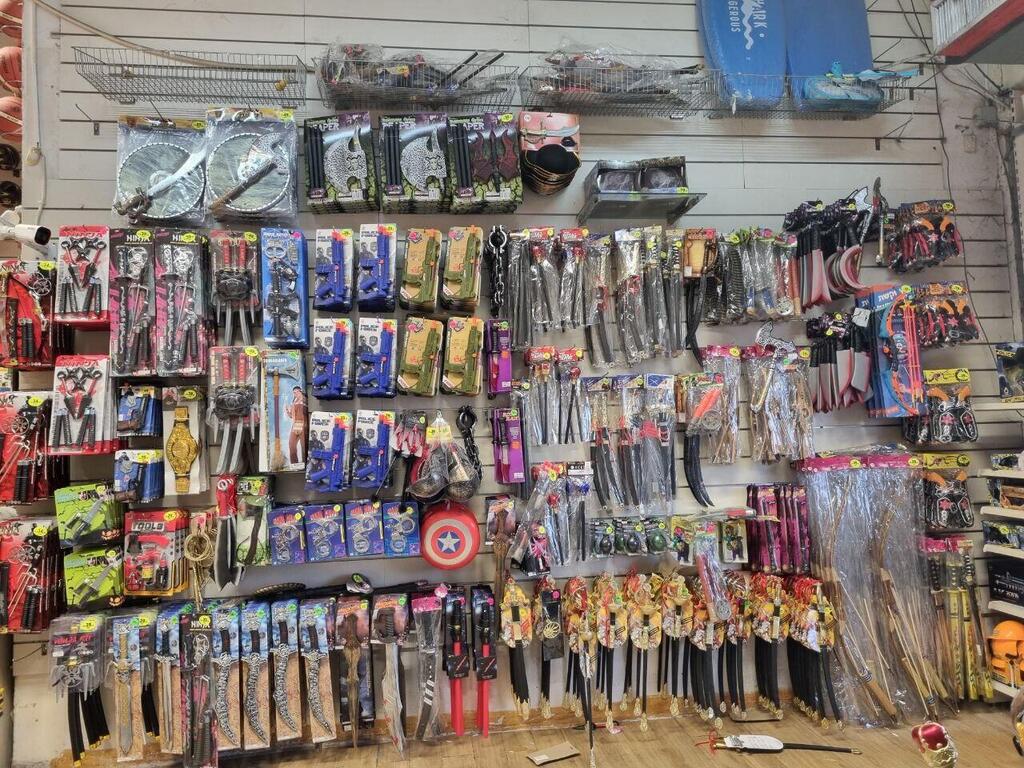
Firecrackers and toy weapons on display at a toy store ahead of Purim
Police say enforcement ahead of Purim has intensified. In the past week, 55 proactive operations were carried out nationwide, with about 40 more planned before the holiday. Approximately 500 business licensing inspections have also been conducted as part of efforts to combat the distribution of dangerous toys.
“Purim carries real dangers for our children when they play with or are exposed to dangerous toys,” an official in the police operations division said. A joint enforcement campaign is underway, led by the Economy and Industry Ministry in cooperation with police and local authorities.
Importing, selling or possessing dangerous toys is a criminal offense punishable by up to one year in prison and a fine of up to 30,000 shekels.
The Defense Ministry said in a statement that about 31,000 wounded IDF veterans and security personnel cope with mental distress and PTSD. “To ease their suffering, the Rehabilitation Department initiated an awareness campaign against the use of firecrackers,” the ministry said. “We hope that this effort, together with public attention and ongoing police enforcement, will allow the wounded to enjoy a happy and safe Purim.”