

High blood pressure, back pain, poor sleep or concerns about losing muscle mass? We are constantly told that we need to exercise, but less attention is paid to the fact that different types of physical activity affect the body in different ways.
That is why asking “What is the healthiest sport?” may be the wrong question. A more useful one is: What exactly do I want to improve?
First, why aren’t walking, cycling and swimming the same workout?
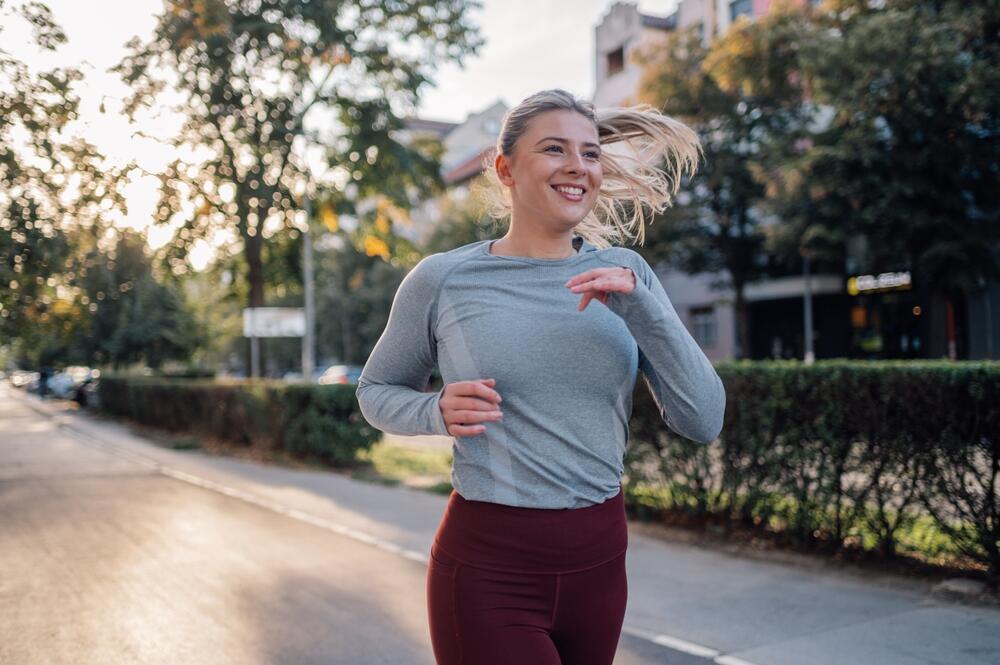
Walking, swimming and cycling all belong to the category of aerobic exercise. When performed at sufficient intensity, they raise the heart rate, train the cardiorespiratory system and improve physical fitness. However, there are important differences in how each activity affects the body.
Walking is a weight-bearing activity. With every step, we support our body weight, creating a certain degree of mechanical stress on the bones and muscles, in addition to the aerobic benefits. One of its greatest advantages is accessibility: almost anyone can get started, control their pace and gradually increase both distance and intensity. However, there is a significant difference between a leisurely stroll and brisk walking. When the goal is to exercise, it is advisable to gradually work up to moderate intensity. A simple way to assess this is the “talk test”: your breathing becomes faster, but you can still hold a conversation.
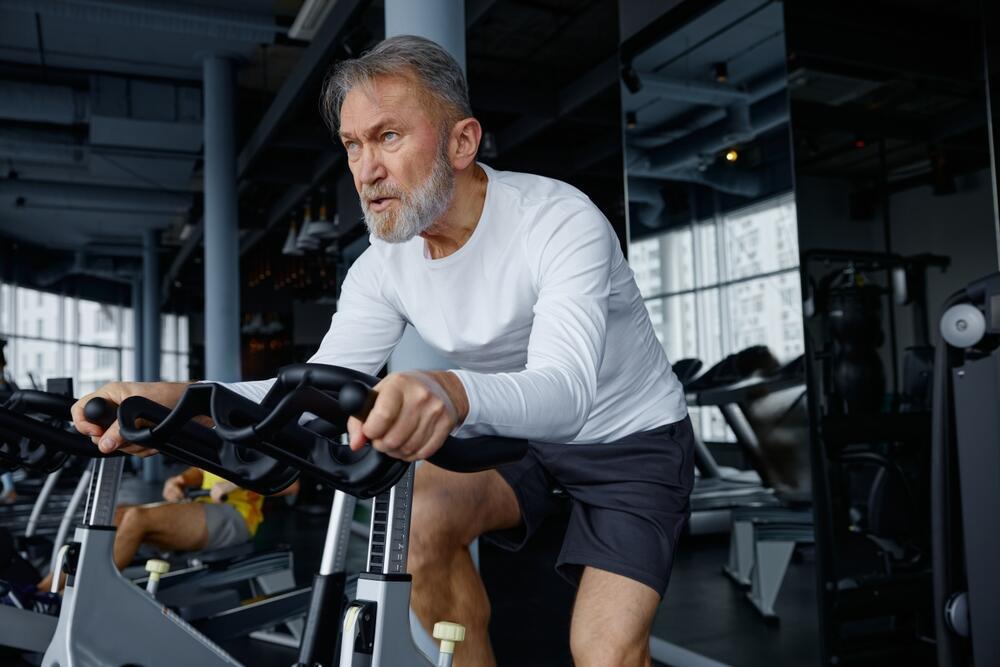
Cycling makes it possible to raise the heart rate while placing less weight-bearing stress on the body. It can be a particularly good option for people who are overweight, experience joint pain or have difficulty walking or running for extended periods.
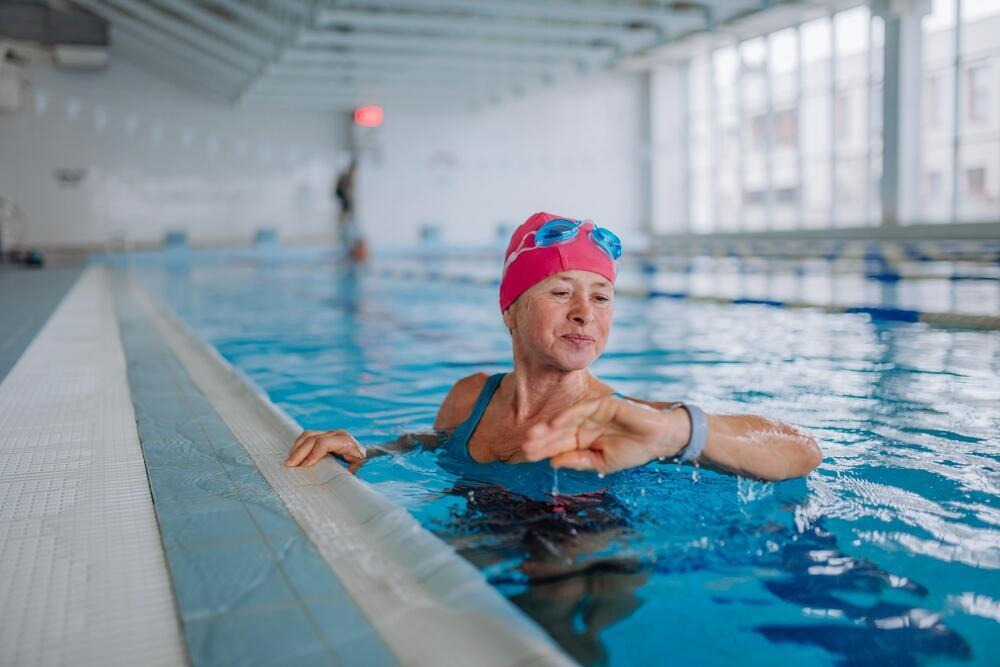
Swimming reduces weight-bearing stress even further, thanks to the buoyancy of water. This makes it an excellent option for people who find land-based activities difficult because of excess weight or joint limitations. And swimming is by no means necessarily a light workout: at the right pace, it can provide a substantial cardiovascular challenge while engaging numerous muscle groups. On the other hand, swimming is not a primary bone-strengthening activity. Those who swim regularly should still incorporate strength training and weight-bearing exercise into their routines.
High blood pressure? Brisk walking is a good place to start
One of the simplest forms of physical activity for managing high blood pressure is brisk walking. A practical goal may be 30 to 40 minutes, four to five times a week. Those who are not physically fit do not need to begin with a continuous 30-minute session. They can start with 10 to 20 minutes and gradually increase the duration. For those who find walking difficult, swimming, cycling or using an elliptical machine can provide the necessary aerobic exercise.
(Photo: Shutterstock/NDAB Creativity)
High blood sugar? Don’t choose between cardio and strength training
For people with type 2 diabetes, the answer lies in combining both.
Aerobic activity increases the body’s use of glucose, while resistance training helps improve muscle function and the muscles’ ability to use glucose. That is why walking alone is not enough. The recommended target is at least 150 minutes of aerobic activity per week, alongside two to three strength-training sessions.
Back pain? Movement may be exactly what you need
When back pain strikes, many people’s instinct is to stop moving. However, for chronic, nonspecific lower back pain, physical activity and controlled movement can be part of the solution. Walking, core-strengthening exercises, yoga, tai chi and Pilates have all shown potential benefits.
It is important to remember, however, that back pain is not a single diagnosis. New or severe pain, particularly when accompanied by weakness, numbness, pain radiating down the legs or other unusual symptoms, requires appropriate medical evaluation before beginning an exercise program.
Feeling less confident when you move? Feldenkrais and tai chi offer a different approach
Not every workout needs to be measured by how much you sweat.
The Feldenkrais Method focuses on slow, controlled movements, awareness of how the body moves and improvements in coordination and movement quality. Research suggests that it may offer benefits for mobility, balance and confidence in movement, particularly among older adults.
(Photo: Shutterstock/Halfpoint)
Tai chi stands out even more when it comes to balance. Its slow, flowing movements involve weight shifting, changes in the body’s center of gravity, coordination and postural control — precisely the abilities we rely on to help prevent falls.
Want to preserve your muscle mass? Walking alone isn’t enough
As we age, we gradually lose muscle mass and strength. When this process becomes more pronounced, it can develop into a condition known as sarcopenia, which can affect physical function, independence and the risk of falls.
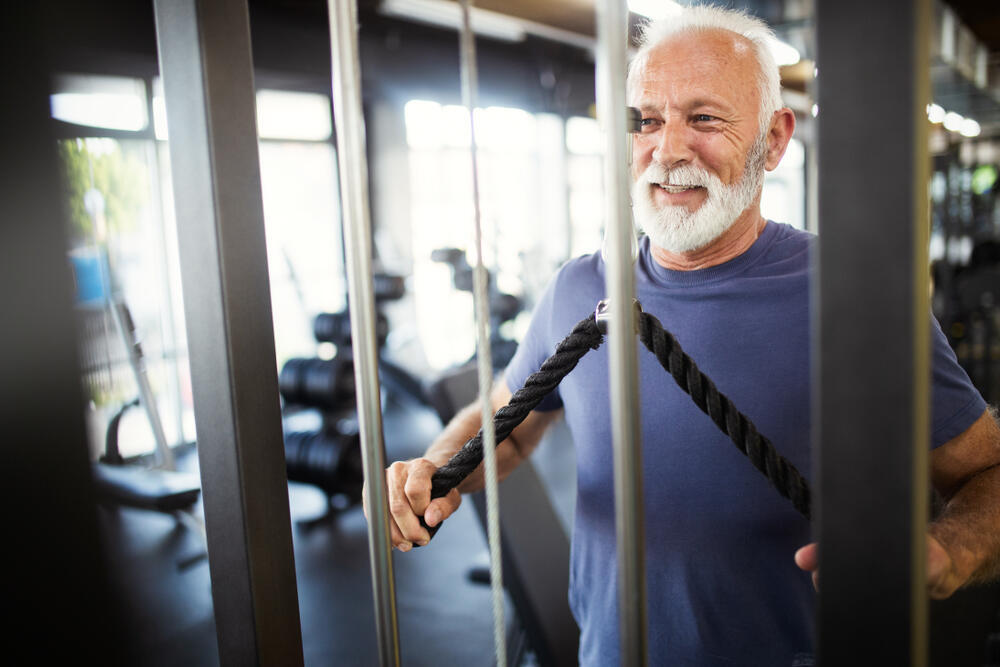
This is where it is important to correct a common misconception: even if you walk every day, you may still not be providing your muscles with the stimulus they need to grow stronger. Strength training is the most direct intervention for maintaining and improving muscle strength and mass.
There is no need to start with heavy weights. Resistance can come from dumbbells, weight machines, resistance bands or body-weight exercises. A commonly recommended starting point is two to three sessions per week, incorporating exercises that target the major muscle groups. It is also important to vary the exercises every few months.
Want to protect your bones, too? Different activities place different demands on them
This is one of the most important distinctions between types of exercise.
A study conducted among postmenopausal women with low bone density found that after eight months of supervised, high-intensity resistance and impact training — involving compression, twisting and stretching movements — performed twice a week, lumbar spine bone density improved by approximately 2.9%.
(Photo: Shutterstock/Nomad_Soul)
This does not mean that everyone with osteoporosis should start jumping or lifting heavy weights. When there is a risk of fractures, the type and intensity of exercise must be carefully tailored to the individual. However, the findings reinforce an important principle: like muscles, bones need stimulation to remain strong.
Not sleeping well? Think beyond yoga and walking
Regular physical activity can contribute to better sleep, but studies involving older adults suggest that resistance training may also improve sleep quality, alongside its well-established benefits for muscle mass, strength and physical function.
For some people, however, intense exercise shortly before bedtime can have a stimulating effect. The timing of a workout should therefore take into account how the individual responds to physical activity.
Feeling stressed or low? Yoga may have an important role to play
Yoga is sometimes perceived as little more than a stretching class, but it offers much more. It combines movement, breathing, balance, strength and, in some cases, meditative practices.
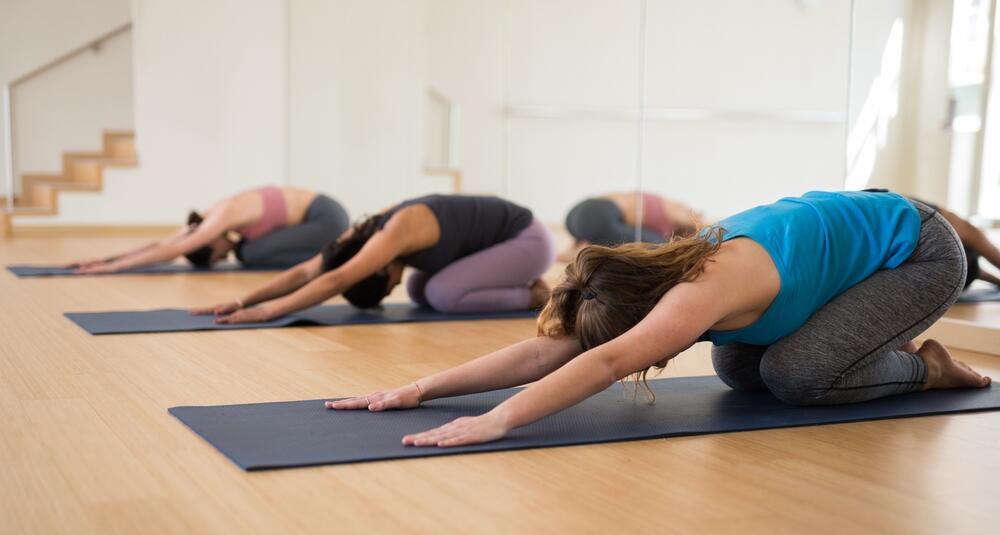
(Photo: Shutterstock/BearFotos)
A large study analyzing 218 trials involving more than 14,000 participants examined the relationship between physical activity and depression. Walking or jogging, yoga and strength training were among the forms of exercise found to have significant effects on depressive symptoms.
So, what is the best workout?
There is no single answer.
The body can be thought of as a system that requires several different types of stimulation: the heart needs an elevated heart rate, muscles need resistance, bones need mechanical loading, balance requires a challenge and joints need to keep moving.
And if you are not currently doing any of these activities, there is no need to start with a perfect exercise program. Ultimately, even when we know how to match a particular type of physical activity to a specific health goal, one principle remains unchanged: the best workout is the one that suits your body and that you can stick with over time.
- The writer is a healthy lifestyle researcher and holds a doctorate in gerontology.