

One in every 100 children in Denmark is born through sperm donation. The small Scandinavian country of just over 6 million people has become a global sperm export powerhouse, supplying sperm banks across Europe and in Israel to help women and families have children, often seeking blond, blue-eyed donors.
A recent investigative report exposed the industry’s dark side. One donor fathered at least 197 children through 67 clinics in 14 countries. All carry a genetic mutation linked to a deadly cancer. Some have died.

Several affected families said they used the donor during fertility treatments in Denmark. The European Sperm Bank acknowledged that the man’s sperm was used excessively across multiple countries. In Belgium, where the law limits donations to 15 families per donor, 38 families used his sperm, resulting in 53 babies. The man began donating in 2005 and continued for 17 years. Children who inherited the mutation face a heightened cancer risk and require ongoing medical monitoring.
The case, in which a rare mutation went undetected, has raised broader questions about the booming industry: How is sperm donation regulated? How many families can use one donor? And how did Denmark become the capital of so-called “Viking sperm”?
Europe’s sperm donation market is valued at 1.3 billion euros and is expected to grow to nearly 2.3 billion euros by 2033, driven by rising same-sex marriages, single motherhood, male infertility, technological advances and government support.
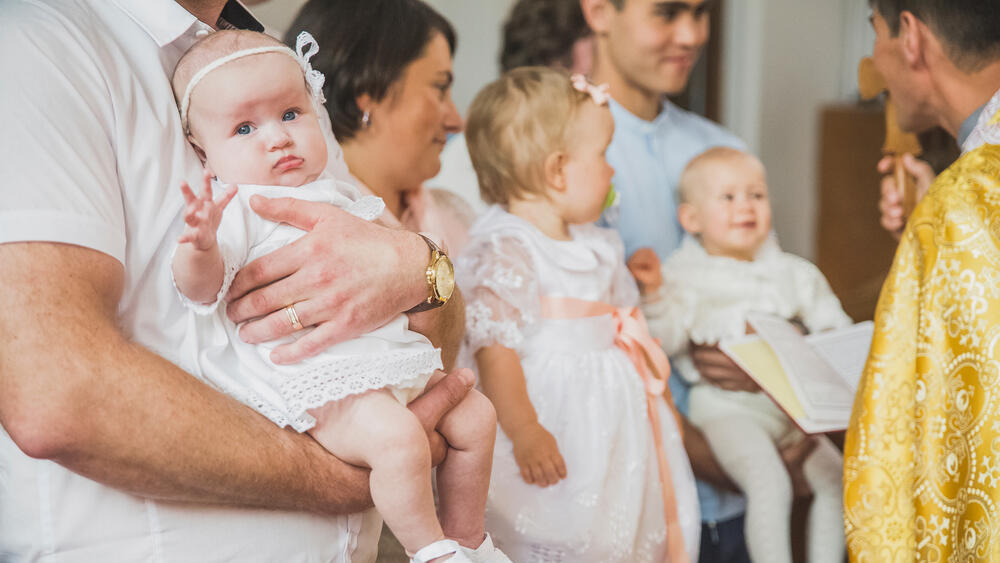
Danish babies
(Photo: shutterstock)
Denmark is the world’s largest sperm exporter. Cryos International, the world’s biggest sperm bank, was founded there and exports to more than 100 countries at prices of 100 to 1,000 euros per half-milliliter vial. In countries such as the Netherlands and Belgium, an estimated 60% of babies conceived through sperm donation have a Danish biological father.
Denmark’s dominance reflects its progressive culture, where sperm donation is not taboo and anonymous donation is legal. Donors are widely accepted, and many also donate blood. Danish sperm banks typically provide women with extensive donor profiles, including photos, physical traits and background, a level of access more limited elsewhere. The promise of blond, blue-eyed genetics remains a strong draw.
Cryos International and the European Sperm Bank each offer about 1,000 Danish donors per client. Demand is highest in Western countries, with 60% of requests coming from highly educated women in their 30s.
Screening standards are among the strictest in the world, with only 1% to 2% of applicants approved. The result is a bottleneck: soaring demand and limited supply, prompting repeated use of the same donors.
This imbalance creates serious ethical risks. Neither recipients nor donors are fully aware of how widely a single donation may be used. Experts warn that stronger caps could have reduced harm in cases like the cancer-linked donor and could prevent situations in which biological siblings unknowingly form relationships.
(Photo: shutterstock)
European Union authorities are now calling for an international registry to monitor sperm exports. Industry leaders argue such regulation would be costly, slow and could further reduce supply or drive parents to a black market. Denmark’s nearly 40 years of experience and advanced freezing and logistics systems allow sperm to reach clinics within days, enabling pregnancies within weeks and motherhood, if successful, within a few years.
High global demand has led sperm banks to actively recruit donors, including students, through traditional and social media campaigns. Approved donors typically donate twice a week and earn 100 to 250 shekels per donation, more than 3,300 shekels a month, often with added perks such as gym access. Donors must usually be Danish residents ages 18 to 45.
In 2011, Cryos stopped accepting redheaded donors, citing oversupply. Donor Network bars donors with criminal records and is the only sperm bank to require a minimum IQ of 85, a policy that has sparked ethical debate.
(Photo: shutterstock)
The Danish sperm industry’s success has created its own vulnerabilities. “Viking sperm” has become a scarce commodity, and in the rush to meet demand, regulatory gaps have emerged. The children born with dangerous genetic mutations underscore the risks that arise when medical technology intersects with the deep human desire to create life.
First published: 03:24, 01.03.26