


A comprehensive investigation by Consumer Reports, one of the world’s leading consumer magazines, has found that many protein powders and drinks sold in the U.S. contain dangerously high levels of lead and other heavy metals—sometimes far exceeding what experts consider safe for daily consumption. According to the report, published this week, metal concentrations in these products have increased compared to a similar test conducted 15 years ago.
The study analyzed 23 protein supplements made from dairy, beef, and plant-based sources. It found that more than two-thirds of the products contained more than 0.5 micrograms of lead per serving—the threshold for safe daily intake. Some products exceeded that level by up to tenfold or more.
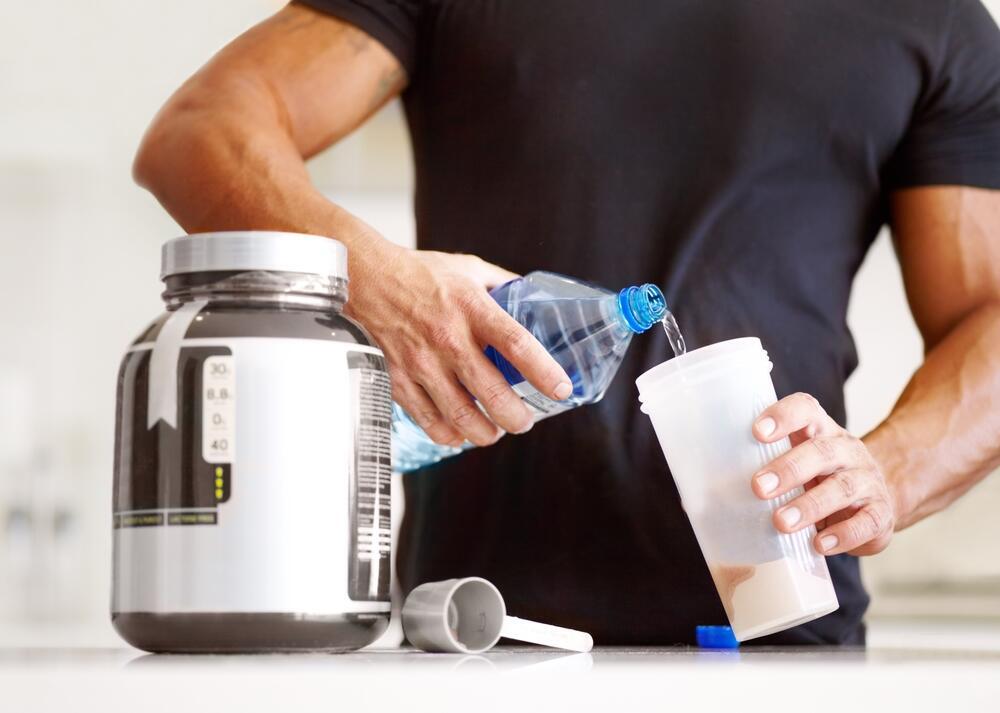
“Lead is a toxic heavy metal that harms multiple body systems,” explained Dr. Meir Preis, director of the Hematology Department at Carmel Medical Center in Israel. “The human body cannot break down or eliminate lead, which accumulates in tissues and causes long-term damage over months or even years.”
One of the most contaminated products contained 7.7 micrograms of lead per serving—1,570% above what Consumer Reports classified as a “level of concern.” Another contained 6.3 micrograms of lead and 9.2 micrograms of cadmium—more than twice the safe limit for that metal. Both products were deemed unsafe for any consumption.
Twelve products were found to contain elevated, but acceptable levels of lead for occasional use—up to several times a week—depending on the exact concentration. Only seven were deemed safe for daily use.
According to CBS News, several products also contained alarming levels of cadmium and arsenic—both identified by the U.S. Environmental Protection Agency (EPA) as carcinogenic or potentially carcinogenic to humans.
Huel told CBS News and TODAY that its products "fully comply with international food safety regulations" and are "completely safe to consume." The company added that trace amounts of lead naturally occur in food and it conducts routine testing via accredited independent labs.
Naked Nutrition said it “takes customers’ health very seriously” and has commissioned additional third‑party testing on the product in question. The company also asserted that its suppliers must provide documentation proving heavy metal testing for all ingredients.
Lead accumulation in the body over time can be dangerous
(Photo: Shutterstock)
Garden of Life stated that “all of its products are tested for heavy metals and levels are below any safety threshold.” The company emphasized that its products are safe for consumption and comply with both governmental standards and its own internal policies.
Dr. Sana Mujahid, director of food safety research at Consumer Reports, said heavy metal contamination in protein products is “even more common and worse than it was 15 years ago.” She noted that in 2010, lead, arsenic, cadmium or mercury were found in all 15 sampled products but at lower levels.
She explained that plant-based ingredients—especially pea protein—absorb lead from the soil, compounded by industrial processing. What’s measured now may not cause immediate harm, but “because protein powders are consumed by people daily or even multiple times a day, it’s very concerning that they’re being exposed to this amount of lead in just one serving.”
Many media outlets pointed out that protein powders and shakes are regulated as dietary supplements, so the FDA does not review or approve them before they are sold. The FDA has only issued a nonbinding “interim reference level” of 8.8 micrograms of lead per day for adults and 2.2 micrograms for children; there is no legal requirement to meet it. Consumer Reports instead uses California’s Proposition 65 standard, which sets 0.5 micrograms of lead per day as a “level of concern,” and adopted it as its own benchmark.
Brian Ronholm, food policy director at Consumer Reports, told CBS News: “No one should have to worry that their protein shake could expose them to dangerous levels of lead. It’s time for the FDA to protect the public and hold industry accountable by setting strong limits on lead in protein powders and shakes.”
According to Yahoo News, Americans already consume too much protein—on average 155% of the daily recommended amount for men and 135% for women. Dr. Rose Goldman, a physician-researcher with the Cambridge Health Alliance, told Consumer Reports, “If your diet already supplies sufficient protein, why take in unnecessary lead with protein powder?”
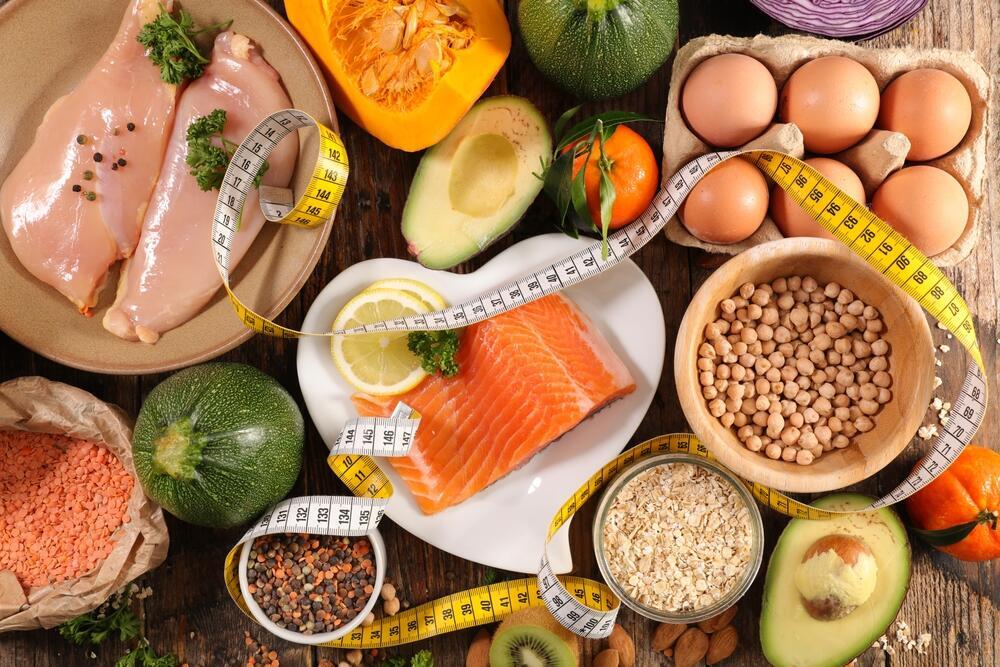
Dr. Rose Goldman: 'Why take in unnecessary lead with protein powder?'
(Photo: Shutterstock)
Consumer Reports does not recommend abandoning protein supplements entirely, but suggests limiting frequency of use and choosing products with independent third‑party testing. Dr. Kathrin Schilling of Columbia University warned, “There's no safe amount of lead to consume. Lead can stay in the body for a long time, up to 10 to 30 years, because it’s going to be stored in the bones.”
In adults, chronic lead exposure is linked to high blood pressure, joint pain, neurological issues, memory and concentration decline and fertility problems. In children, lead can impair brain development, causing cognitive and behavioral delays.
Consumer Reports noted that occasional use of a protein shake is unlikely to cause harm. The key is to choose brands that publish heavy metal testing results and seek certifications from external bodies like NSF. The report also suggested preferring animal‑based proteins, which tend to contain less lead.
Dr. Preis concluded: “A balanced, healthy diet usually provides adequate protein. Excess use of protein powders—especially those with heavy metals—should be moderated and ideally done under professional guidance. In medical situations requiring extra protein, it should be managed with dietitians and careful tracking.”