

Charred food, once seen as a kitchen mishap, has become a prominent culinary trend in recent years, particularly in England, Canada, Australia and New York. But as enthusiasm grows for smoky flavors and crispy textures, health experts are warning of potential risks.
“Burning food, especially meats, can result in the formation of some carcinogens, chemicals that have been shown in laboratory studies to cause cancer,” said Dr. Christine B. Ambrosone, chair of cancer prevention and control at Roswell Park Comprehensive Cancer Center in Buffalo, New York.
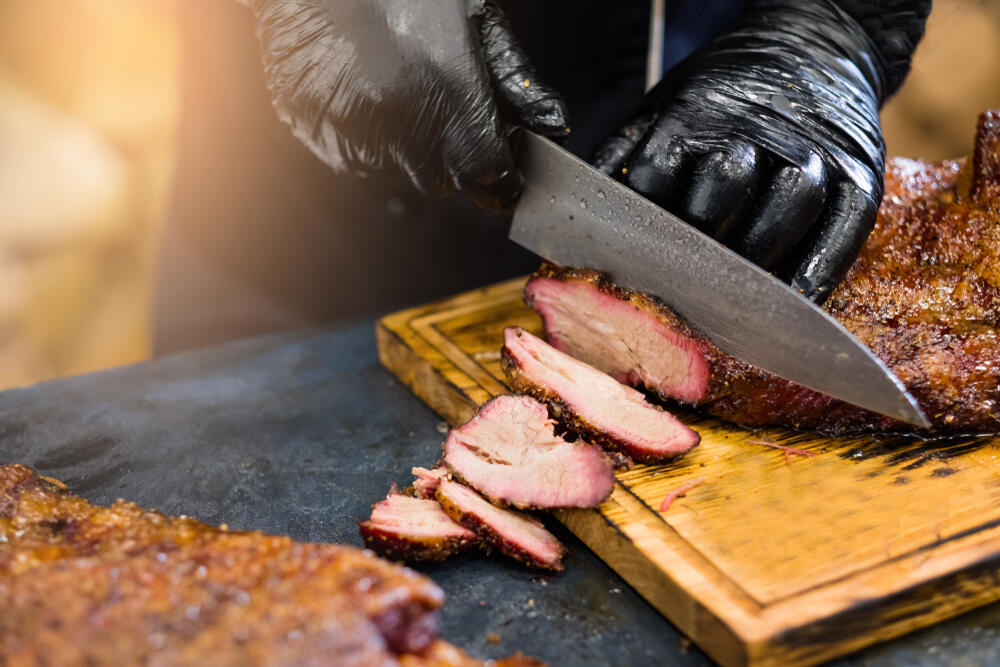
Ambrosone said occasional consumption of burnt food is “probably OK,” but cautioned against making it a regular habit, in comments to the New York Post.
The trend has gained traction in fine dining, where chefs have embraced charring and deep browning techniques to intensify flavors and create sensory complexity, according to Directo al Paladar, a Spanish culinary website. The approach, sometimes combined with smoking, is used not only for meats but also for vegetables, breads and even desserts featuring burnt sugar.
The website noted that the popularity of charring draws in part on long-standing culinary traditions. Desserts such as crème brûlée and the Turkish dish kazandibi intentionally caramelize or burn sugar, while in Vietnam, burnt caramel sauce known as nuoc mau is used to deepen color and flavor.
Still, health experts and food safety authorities warn that frequent use of high-heat cooking methods could carry long-term health consequences.
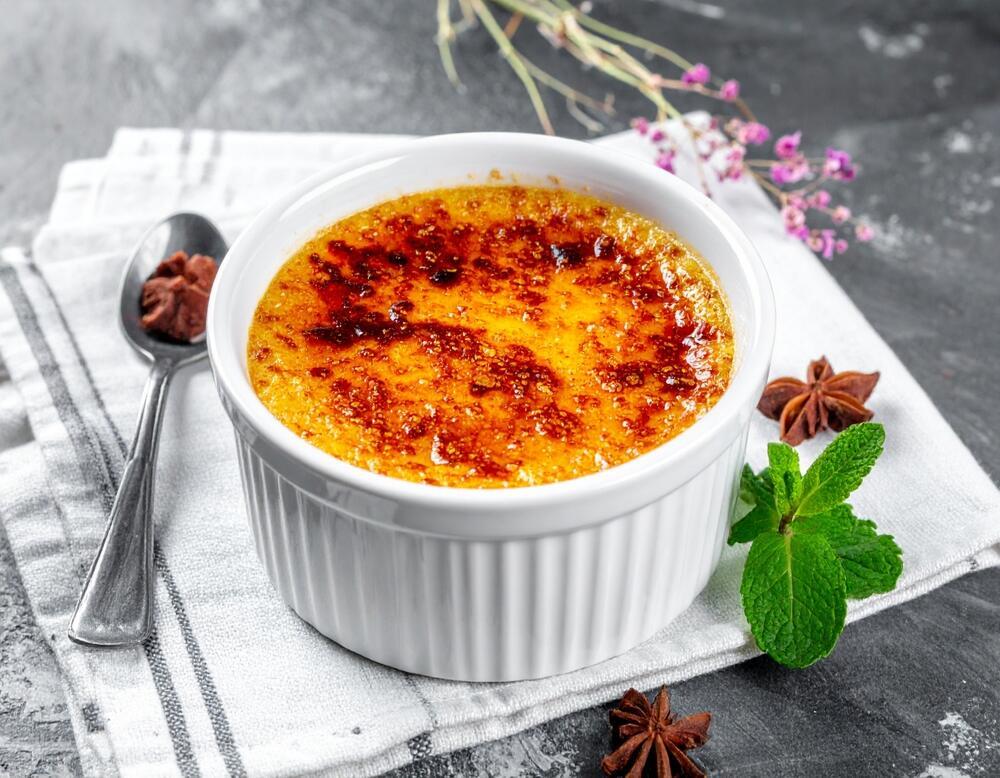
Crème brûlée
(Photo: Shutterstock)
Grilling or roasting beef, fish, pork or poultry at high temperatures can produce chemical compounds known as polycyclic aromatic hydrocarbons (PAHs) and heterocyclic amines (HCAs). HCAs form when amino acids, creatine and sugars in muscle tissue react at temperatures above 150 degrees Celsius (302 degrees Fahrenheit). PAHs develop when fat and meat juices drip onto an open flame, creating smoke that coats the food.
Starchy foods are not exempt. Burning or deeply browning bread, potatoes and root vegetables can lead to elevated levels of acrylamide, a chemical formed when the amino acid asparagine reacts with reducing sugars such as glucose or fructose at temperatures above 120 degrees Celsius (248 degrees Fahrenheit).
PAHs, HCAs and acrylamide have been classified as carcinogenic in laboratory studies involving animals. However, a direct link between dietary exposure to these compounds and cancer risk in humans has not been conclusively established.
“While some laboratory studies have shown that ingesting the chemicals that form when food is burnt or cooked at high temperatures may cause colon tumors and may also be linked to breast cancer, there is very little evidence that this is true for humans,” Ambrosone said.
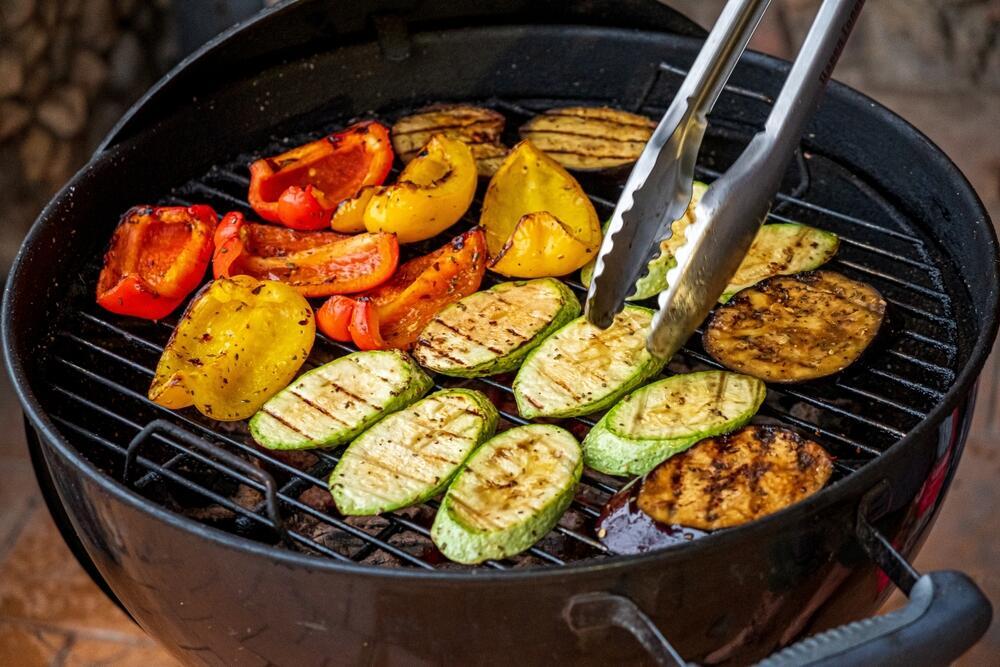
(Photo: Shutterstock)
Beyond cancer concerns, regularly consuming charred food may raise the risk of diabetes, contribute to digestive discomfort, irritate the stomach lining and worsen heartburn. High heat can also degrade heat-sensitive vitamins and delicate antioxidants, including vitamins B and C.
Seasonal eating patterns may further reinforce the trend. Cold weather often drives demand for hot, calorie-dense foods, increasing consumption of charred meats, smoky sauces and deeply browned breads — and with it, exposure to high-temperature cooking byproducts.
For those who embrace the smoky aesthetic, experts recommend steps to reduce risk: aim for a golden-brown finish rather than blackening; turn meat frequently to prevent excessive charring; trim off burnt portions; choose lean cuts; and marinate meat with herbs and spices, which some studies suggest may help reduce formation of harmful compounds.