


Salt may be a hidden driver of treatment-resistant high blood pressure, according to a new study that could reshape understanding of one of the world’s leading health threats.
Hypertension affects about two-thirds of people over age 60 and is responsible for an estimated 10 million deaths globally each year. Often symptomless, it raises the risk of heart disease, stroke and other complications. Roughly one-third of patients do not respond to common treatments that target the kidneys and blood vessels, where doctors have long believed the problem begins.
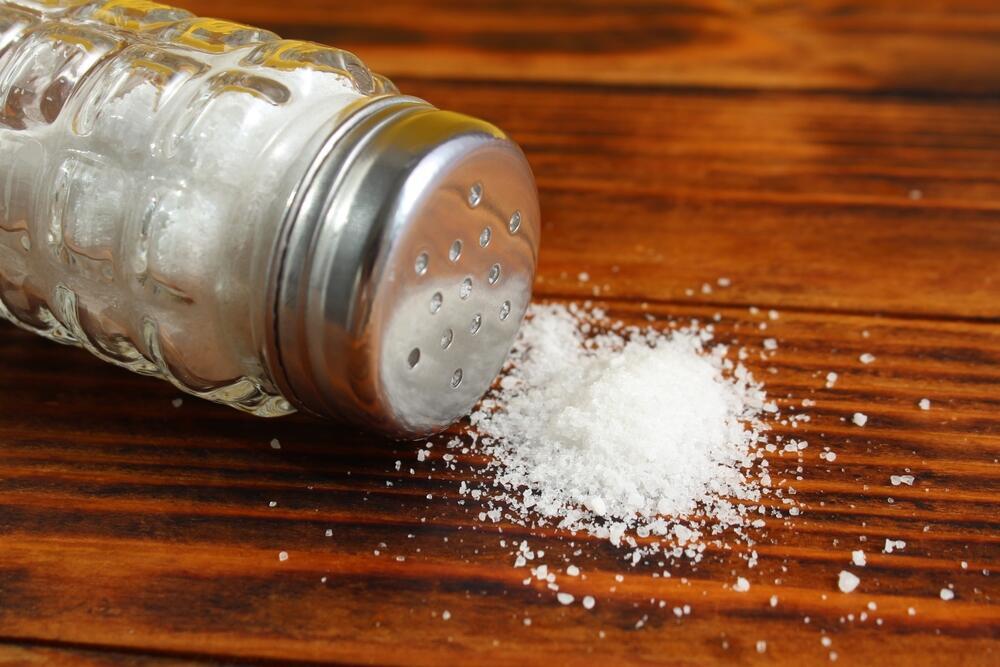
(Photo: Shutterstock)
The study, published in the journal Neuron, was led by Dr. Masha Prager-Khoutorsky of McGill University in Canada with a multidisciplinary team from the university’s medical research institute.
To mimic human eating patterns, researchers gave rats water containing 2% salt, equivalent to a diet heavy in sodium-rich fast food such as bacon, instant noodles and processed cheese. Rats are widely used in such research because they regulate salt and fluids similarly to humans.
The scientists found that the high-salt diet activated immune cells in a specific brain region, triggered inflammation and increased secretion of the hormone vasopressin, which raises blood pressure. They tracked these changes in real time using advanced imaging and laboratory methods.
“The role of the brain in hypertension has hardly been studied until now, partly because it is difficult to investigate,” Prager-Khoutorsky said. “With new techniques, we can actually see these processes happening. That means the findings could be more relevant to humans.” Researchers plan to examine whether similar mechanisms are involved in other forms of hypertension.
Excess salt intake is a global health concern, including in Israel. Sodium is vital for normal body function but in large amounts can be harmful. Because the damage builds without warning signs, it is often called the “silent killer.”
“According to global health recommendations, daily salt intake for adults should not exceed five grams, or about 2.3 milligrams of sodium. In reality most people consume far more,” said Luda Nevo, a clinical dietitian at Maccabi Healthcare Services.
Most dietary salt does not come from the shaker, she said, but from processed and industrial foods such as sausages, hot dogs, soups, bouillon cubes, prepared salads, snacks and salty crackers.
Too much salt raises intercellular pressure, constricts blood vessels and can impair kidney function, leading to kidney failure or worsening existing conditions, Nevo said. Combined, those factors sharply increase the risk of cardiovascular disease including heart failure and heart attacks.
Nevo advised consumers to check nutrition labels, avoid products marked with red warnings for high sodium and use herbs and spices instead of salt to enhance flavor. She also recommended choosing fresh foods over processed ones and preparing salads and sauces at home.
“No one is asking us to live in a salt-free world,” she said. “But if we control how much we consume, we can protect our hearts, kidneys and, as this new research shows, even our brains.”