

IDF Surgeon General and Chief Medical Officer Brig. Gen. (Dr.) Zivan Aviad-Beer said Monday that the army has introduced artificial intelligence tools to help soldiers recognize signs of emotional distress among their peers, part of a broader push to prevent suicides and treat post-traumatic stress in the aftermath of the war in Gaza.
Speaking at the ynet and Yedioth Ahronoth Health Conference, Aviad-Beer said the new AI chat-based system “trains soldiers to identify warning signs of distress” and was designed “to speak their language.” The system, developed by Prof. Yossi Blez, supplements traditional awareness programs.
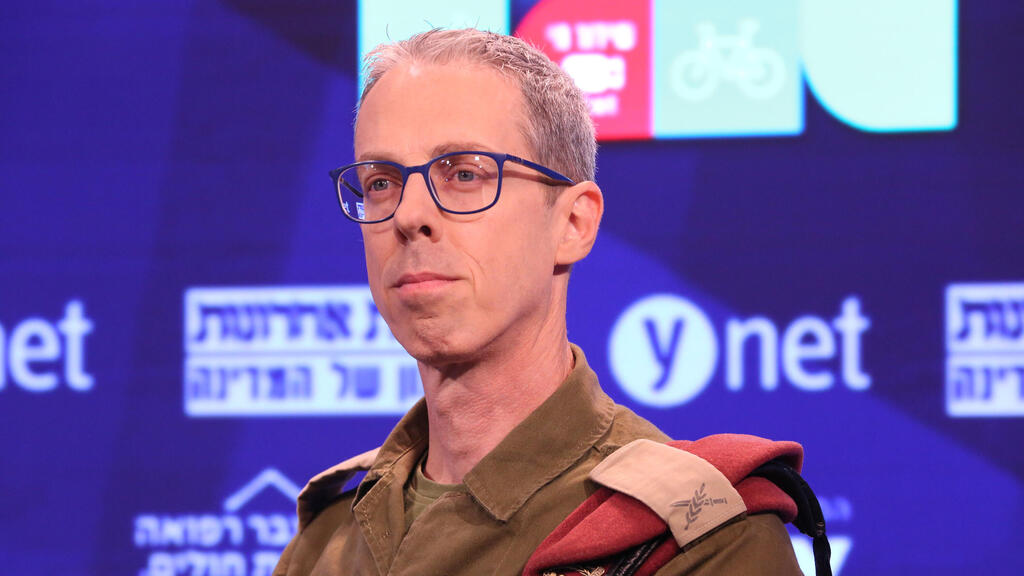
IDF Surgeon General and Chief Medical Officer Brig. Gen. (Dr.) Zivan Aviad-Beer
(Photo: Rayen Frohis)
“In the past, we mostly spoke about mental health and tried to raise awareness,” Aviad-Beer said. “Now we’re implementing a tool that actively teaches soldiers how to recognize distress in their friends. It’s about using technology to connect and prevent crises before they happen.”
Aviad-Beer also revealed that the IDF Medical Corps has cut the rate of battlefield fatalities by more than half compared to the Second Lebanon War. “There’s an international measure called CFR — case fatality rate,” he explained. “In 2006, it was 14.8%. In the current war, it dropped to 6.9%. We’re saving twice as many wounded soldiers as in previous conflicts — even those severely injured.”
He credited the improvement to a culture of learning and innovation: “We revised treatment protocols, introduced blood transfusions directly in the field, and improved evacuation times. Our medics and doctors reach the wounded within minutes. These are measurable, life-saving changes.”
Aviad-Beer said Israel now provides “some of the best battlefield medical care in the world” and urged parents to take comfort in that knowledge: “If, God forbid, their son or daughter is injured, they will receive the fastest and best care possible, with the most advanced technology available.”
Turning to mental health, he said the army has shifted its approach to soldiers suffering from post-traumatic stress disorder, integrating them instead of discharging them. “More than 1,200 soldiers with PTSD now serve in regular and career positions,” Aviad-Beer said. “In the past, they would have been released.”
“Today, we treat them before returning them to their units,” he explained. “They undergo daily therapy — from clinical treatment to innovative rehabilitation programs involving the sea, nature, and agriculture. We do this professionally and responsibly.”
“Saving someone’s mental health,” Aviad-Beer concluded, “is just as important — and often more complex — than treating a physical wound. With the right mix of compassion, professionalism, and technology, we can make a real difference.”