

In recent years, Israel’s hospitals have learned to prepare for virtually any scenario. At Shaare Zedek Medical Center in Jerusalem, that meant planning for a moment when patients would need to be moved quickly and professionally into a protected treatment environment tailored to diverse medical needs.
Shortly before the outbreak of war, hospital leadership realized preparations had to be accelerated. “The war didn’t surprise us,” said Prof. Ofer Merin, Director General of Shaare Zedek Medical Center. “The hospital wasn’t originally built with a fortified underground facility, but in the weeks leading up to the war we invested significant resources, in cooperation with the Health Ministry, to ensure our patients would be protected.”
Gallery
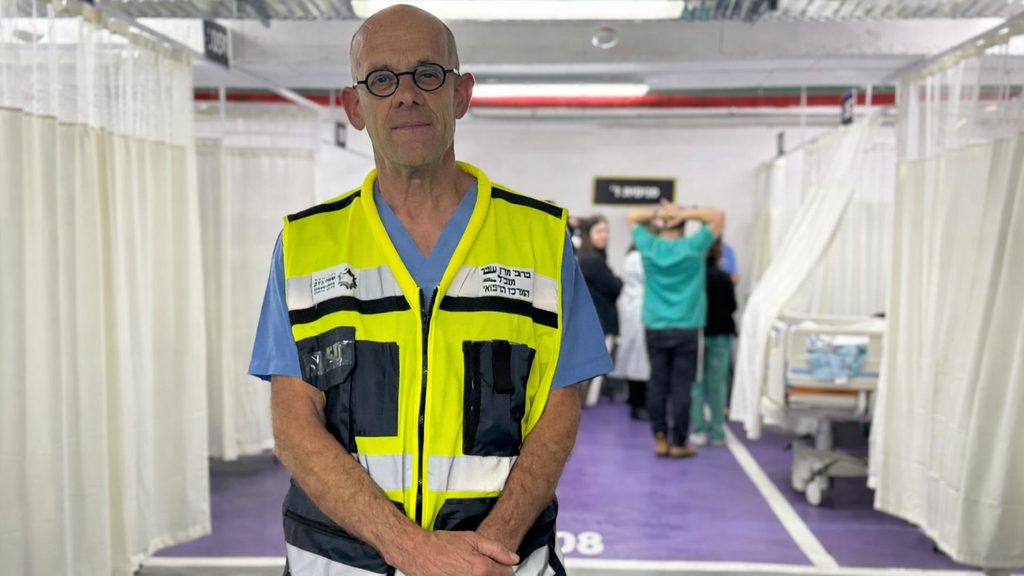
Prof. Ofer Merin, Director General of Shaare Zedek Medical Center
(Photo: Shaare Zedek Medical Center )
According to Merin, a detailed operational plan was already in place. “Teams knew in advance which department would move first, who would follow and what each person’s role was. On that Saturday, when the war broke out, hundreds of staff members arrived without being called. Everyone knew exactly what to do,” he said.
The underground parking structure was rapidly transformed into a fully functioning hospital space, equipped with essential medical infrastructure including monitoring stations, ventilators and intensive care capabilities. Dr. Gal Pachis, Director of Emergency Medicine, who directs the emergency hospital, said some patients and families initially expressed concern about receiving care underground. “The concern is completely understandable. Being hospitalized after an emergency is stressful under any circumstances, especially during wartime,” he said. “But patients tell us they are pleasantly surprised by the conditions and see that we have maintained the highest standards of care.”
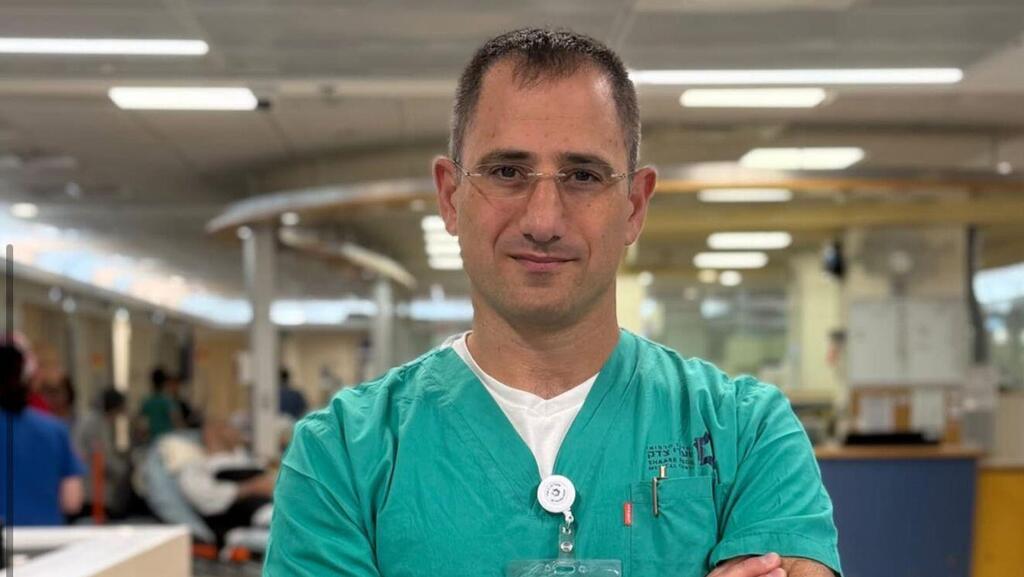
Dr. Gal Pachis, Director of Emergency Medicine, who directs the emergency hospital
(Photo: Shaare Zedek Medical Center)
The facility continues to expand even during the fighting. Today, about 470 patients are treated in the underground complex, with additional patients housed in another protected bunker unit known as the “Lavi complex,” as well as in fortified areas within the main hospital building. “Despite the pressure and the move underground, we decided within the first two days to renovate the departments left behind, something almost impossible during routine times,” Pachis said. “Patients and staff will return to upgraded facilities.”
Shaare Zedek serves more than one million residents in Jerusalem and handles both wartime emergencies and routine urgent cases such as strokes and heart attacks. Moving critically ill patients underground presents significant risks. “For emergency patients, relocation is a complex process that can be life-threatening,” Pachis explained.
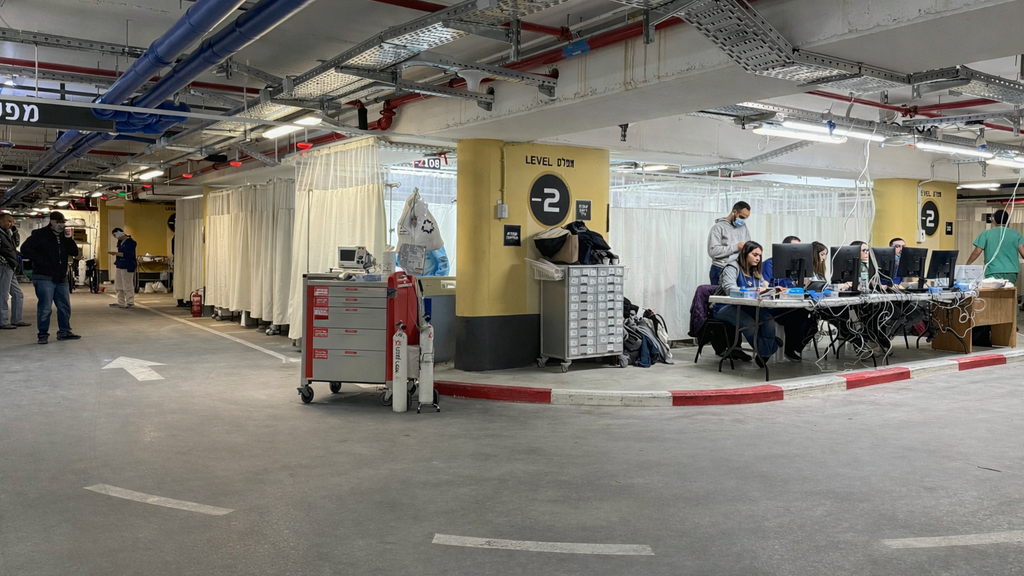
The fortified underground complex at Shaare Zedek
(Photo: Shaare Zedek Medical Center)
He described a case from the first day of the war: “A man arrived after collapsing. During resuscitation and catheterization in the protected area, he was connected to an ECMO machine. This is an extremely complex procedure even under normal conditions. Today, he is awake and speaking.”
Maintaining standards under pressure
One of the central challenges is preserving the same level of care provided above ground. “Our challenge is to maintain full professional standards,” Merin said. “We have no moral justification to say that because there is a war, people will receive lower-quality care. Continuity of care is essential.”
That commitment extends far beyond clinical treatment. It requires a coordinated logistical system including IT infrastructure, medication transport, lab services, waste disposal, laundry and sanitation. “Being underground can cause confusion among some patients,” Merin said. “We strive to maintain a feeling of routine, dim the lights at night and use advanced air circulation systems to prevent infections. We also created organized spaces for staff and families.”
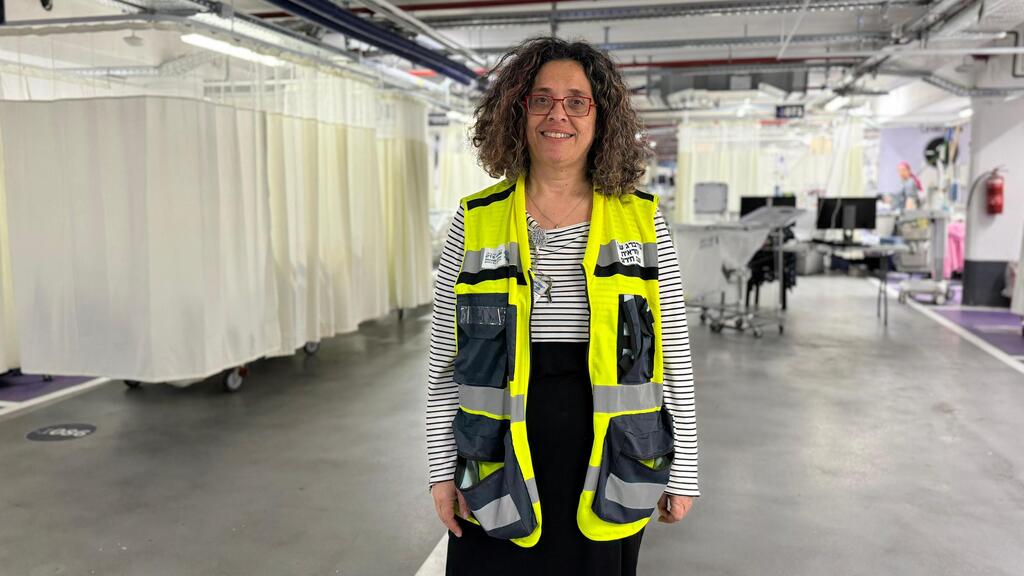
Sarah Goldberg, Deputy Director General for Nursing and Emergency Preparedness
(Photo: Shaare Zedek Medical Center)
Small, everyday details have made a significant difference. Sarah Goldberg, Deputy Director General for Nursing and Emergency Preparedness, said efforts focused on preserving patient dignity and reducing disorientation, particularly among elderly patients. “In a place like a parking garage, patients may not know where they are. There is no clear sense of day or night,” she said. “On the first day, we went to a store in Jerusalem and bought bedside lamps so every patient would have light. We installed nurse call systems, hung clocks and distributed information sheets to help patients and families orient themselves.” She added that staff presence is critical to patient confidence. “Patients feel safe when the staff is there, responsive and guiding them,” Goldberg said.
The proximity of departments has also strengthened teamwork. “Departments that rarely interacted are now side by side,” she said. “There is mutual support and real collaboration.”
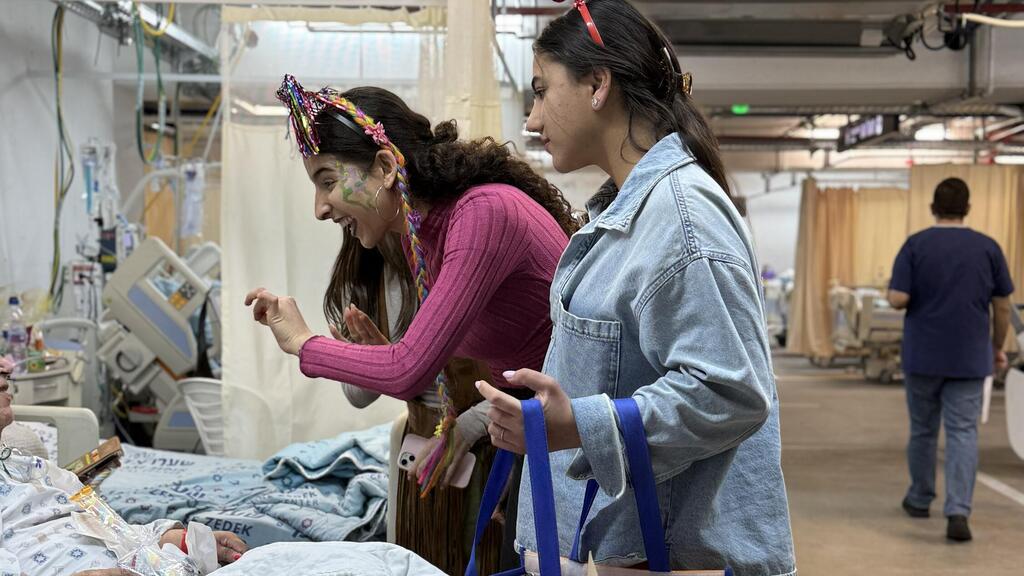
'There is no day or night in the parking garage.' The fortified underground complex at Shaare Zedek
(Photo: Shaare Zedek Medical Center)
“War is a complex situation,” Pachis added, “but it has also created something remarkable. Staff from all backgrounds are working together without barriers. There is a shared sense of purpose.”
Supporting the caregivers
The uncertainty facing patients is mirrored by the personal challenges of hospital staff. Schools are closed, spouses are called up for reserve duty and rockets strike residential areas. “Bringing people to work underground day after day with patience and compassion is a challenge,” Merin said. “Our role as management is to support the staff and listen to their needs.”
Each morning at 7 a.m., Merin holds a Zoom briefing with hospital leadership to assess the situation and align priorities. “Our mission is clear, to maintain the same medical standards as above ground,” he said. “We ensure leadership presence on the ground and provide the best possible working environment.”
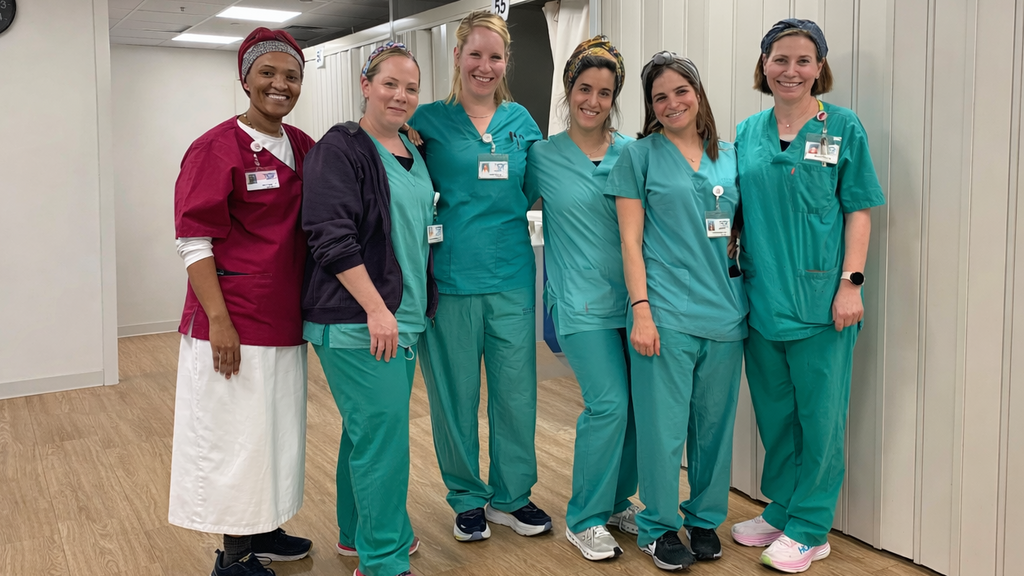
The midwifery team in the fortified delivery room
(Photo: Shaare Zedek Medical Center)
Pachis praised the staff’s dedication. “The initiative and creativity here exceed anything I could have ever imagined. The team is extraordinary. Despite the difficult conditions and personal challenges, they continue to show up. It is inspiring to see what a leading medical center and a committed team can achieve.”
Shaare Zedek’s staff believe that the experience has reinforced a sense of mission and pride. “We have the privilege of being part of Israel’s resilience,” Merin said. “We feel essential. Healthcare, like security, is a fundamental part of national resilience. Every nurse, every staff member plays a role. Hospitals in Israel are a pillar of stability.”
In partnership with Shaare Zedek Medical Center
First published: 11:38, 03.27.26